


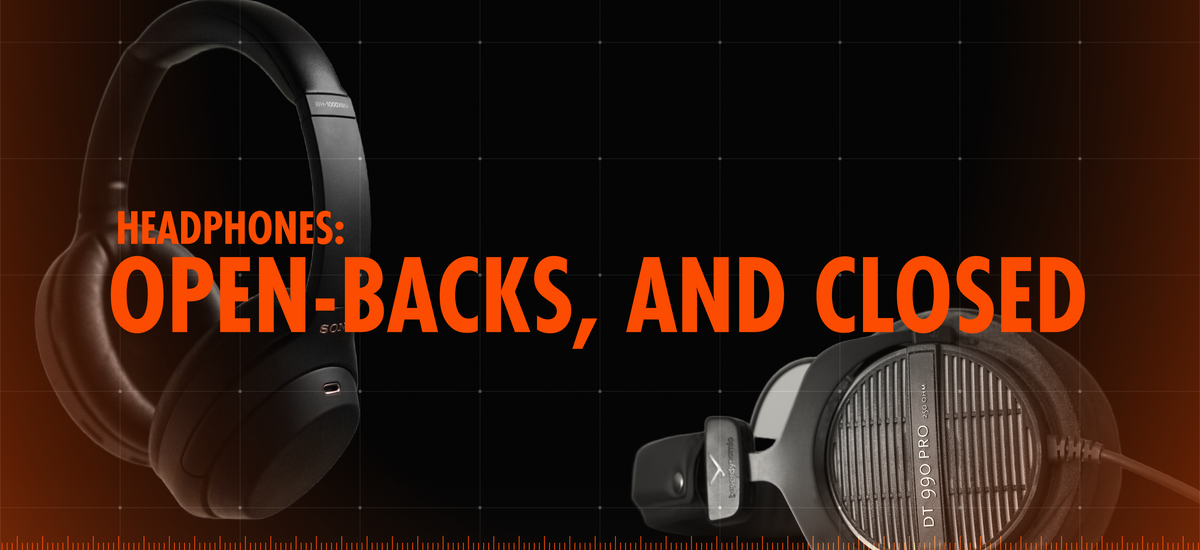
Headphones have always enjoyed a reputation as the pinnacle of wearable audio.
Over-ears create an expansive sense of space that has made them the go-to among audiophiles, music professionals, and gamers alike. Entire worlds can feel wider, larger, and more atmospheric.
So, are headphones truly better at everything?
While many people focus on wide soundstages, far fewer stop to consider how precisely sounds are positioned within it.
A bigger map does not necessarily make navigation easier. Wide music halls do not help make instruments louder, more distinct. And large cinemas don’t make sound effects feel more bombastic, simply by merit of being big.
Scale Vs Precision
This distinction becomes easier to understand when we separate two concepts that are often confused with one another: soundstage and imaging.
Soundstage refers to the perceived size of an environment.
Imagine standing in a cathedral with tall arching ceilings, or a concert hall. The larger and more expansive that environment feels, the larger you can perceive the soundstage. Open-back headphones have traditionally excelled here, creating a convincing sense of scale that can make recordings feel enormous.
Imaging, however, is different. It is the ability to locate a specific sound within that environment.
“How far away is the lead cello from the wind section?”, or
“Where exactly is the reload sound coming from?”
These are instances where precision matters.
A massive soundstage means little when individual sounds become vague, or are difficult to place. Likewise, perfect localization can feel unnatural if the surrounding space collapses and everything feels compressed.
Two Different Tradeoffs
Over-ear and in-ear headphones approach sound reproduction in similar, but distinct ways.
Over-ear headphones create what is essentially an acoustic chamber around your ears. Sound interacts with the ear cups, the air inside them, and the unique shape of your outer ear before finally reaching your eardrum. This naturally replicates how sound in real-world environments interact with your ears, giving a realistic sense of space. Open-back headphones that allow air to flow freely through amplify this effect, creating an incredibly realistic soundstage that may make you think the sound is coming from a real source far away.

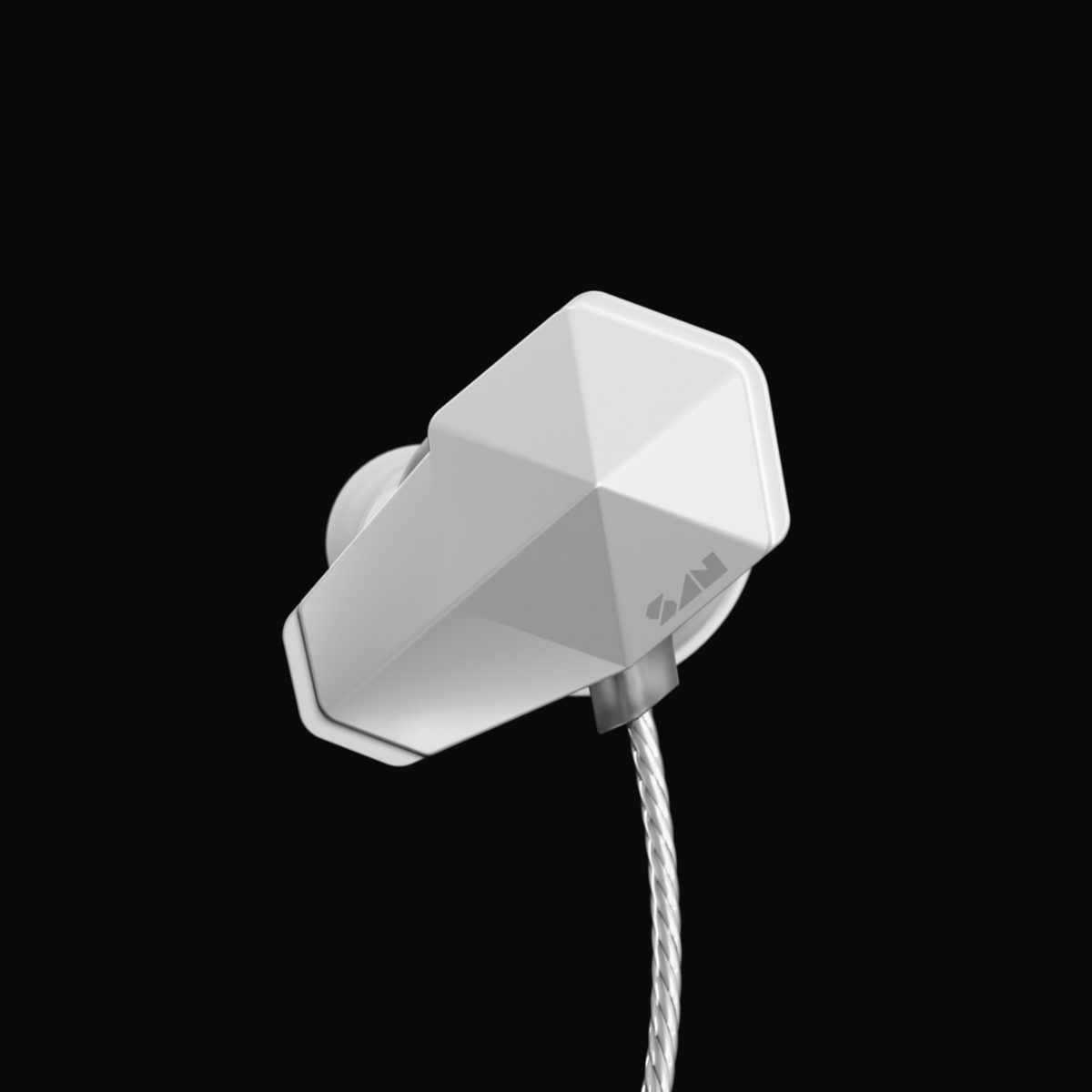
In-ear monitors project sound directly into the ear canal instead of around it, bypassing much of the space within the acoustic chamber created by the ear cups. This eliminates undesirable sound reflections and dampening that affect the fidelity of sound but makes it more difficult to replicate the feeling of space.

When engineered correctly, in-ear headphones create a remarkably consistent and replicable listening experience: the ideal conditions to accurately recreate spatial sound. What is sometimes lacking in breadth is made up for in precision.
Neither format is inherently better than the other. But do we always have to choose??
Chasing Both
This became one of the defining goals when we created SANWEAR and a motivating principal behind Holographic Audio.
Not simply how to make an earbud sound like over-ear headphones, but to create a listening experience capable of reproducing both the wide soundstages of over-ears and precise sound imaging of in-ears.
GT and QUANTUM were the first step towards this. Through our Hyper-Dynamic Drivers, we were able to achieve accurate deep sub-bass imaging that open-back headphones struggle reproducing. The light weight and increased rigidity of our beryllium-infused diaphragm with carbon nanotube reinforcements allows us to reach higher throw, with lower distortion that helps us produce finer detail than any other material.
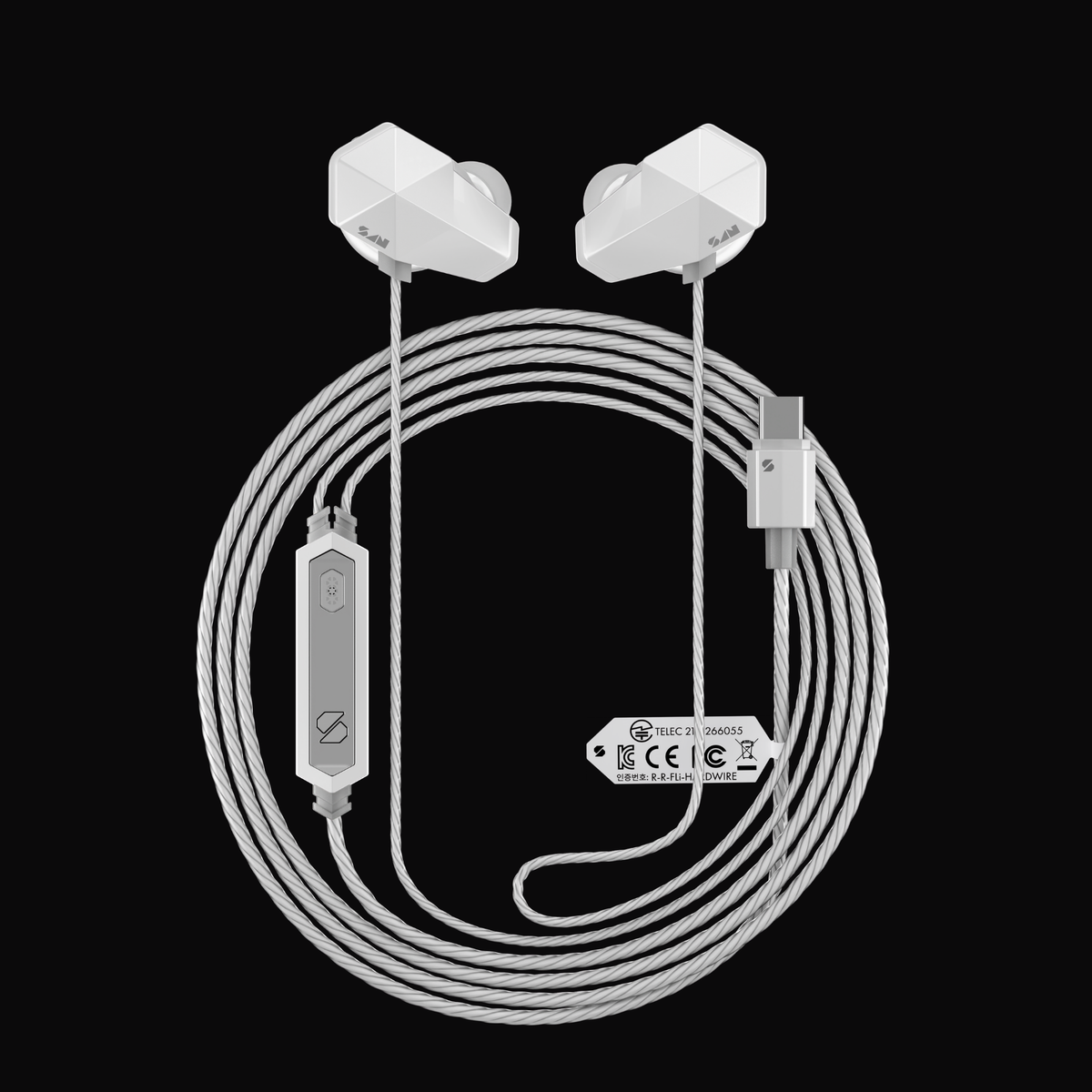
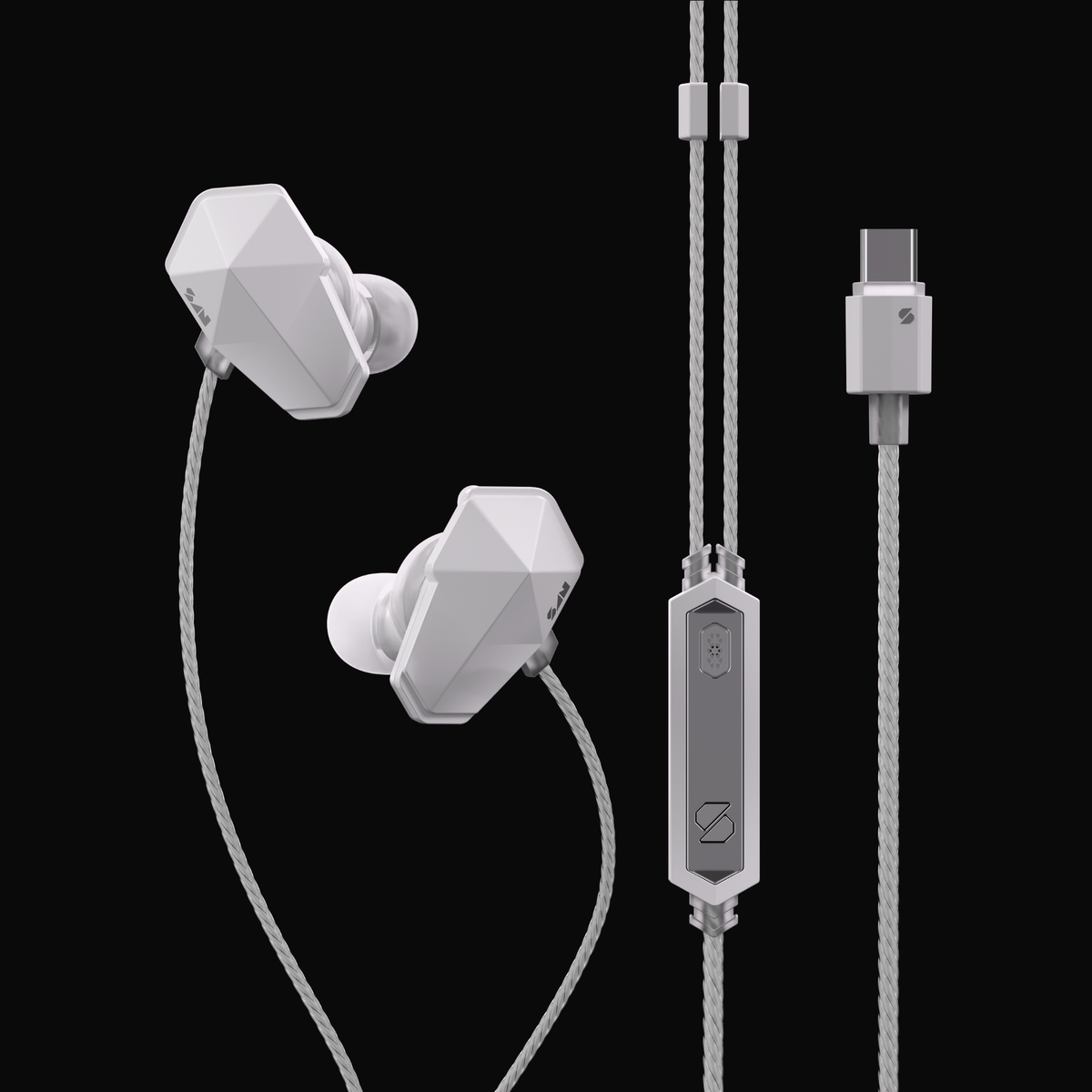
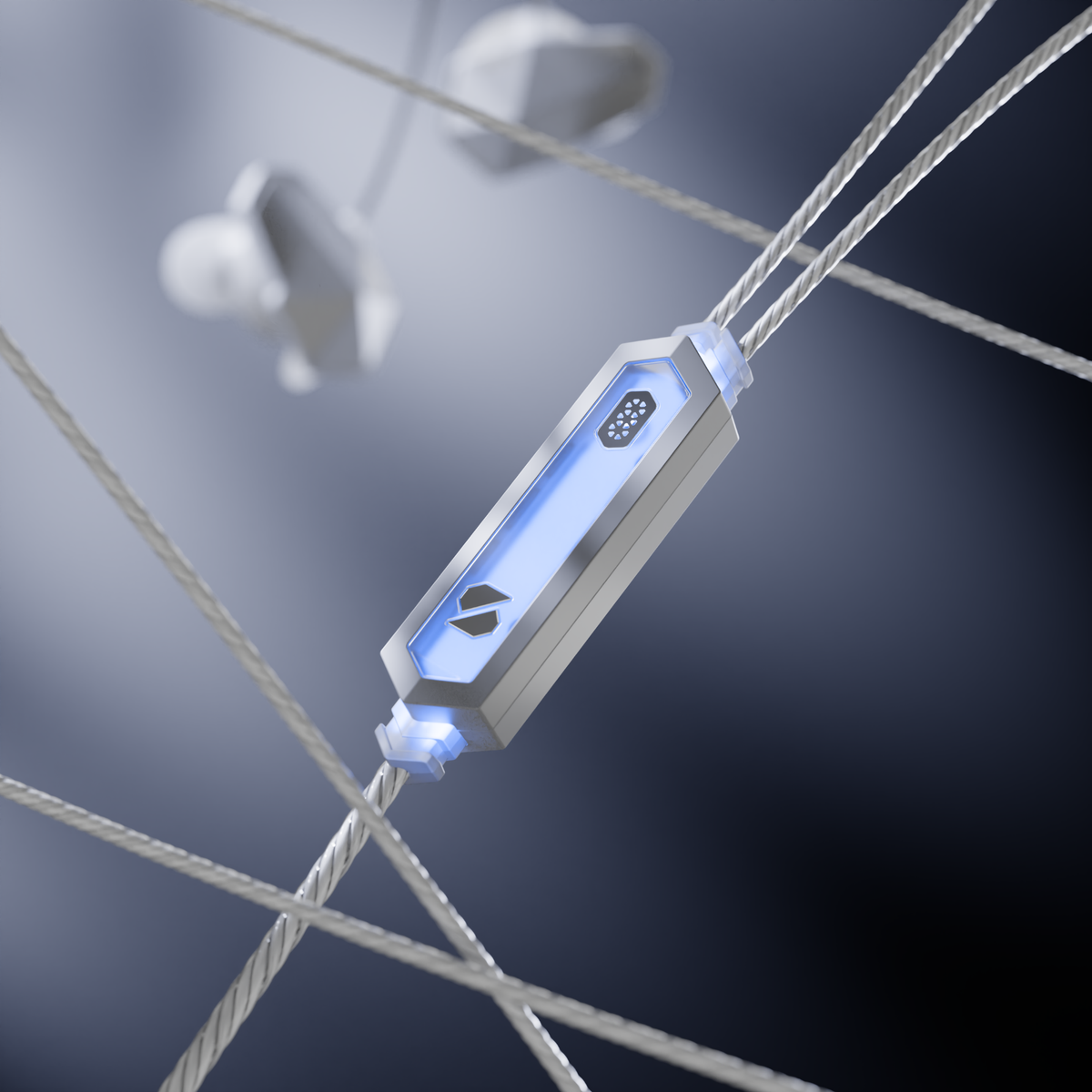
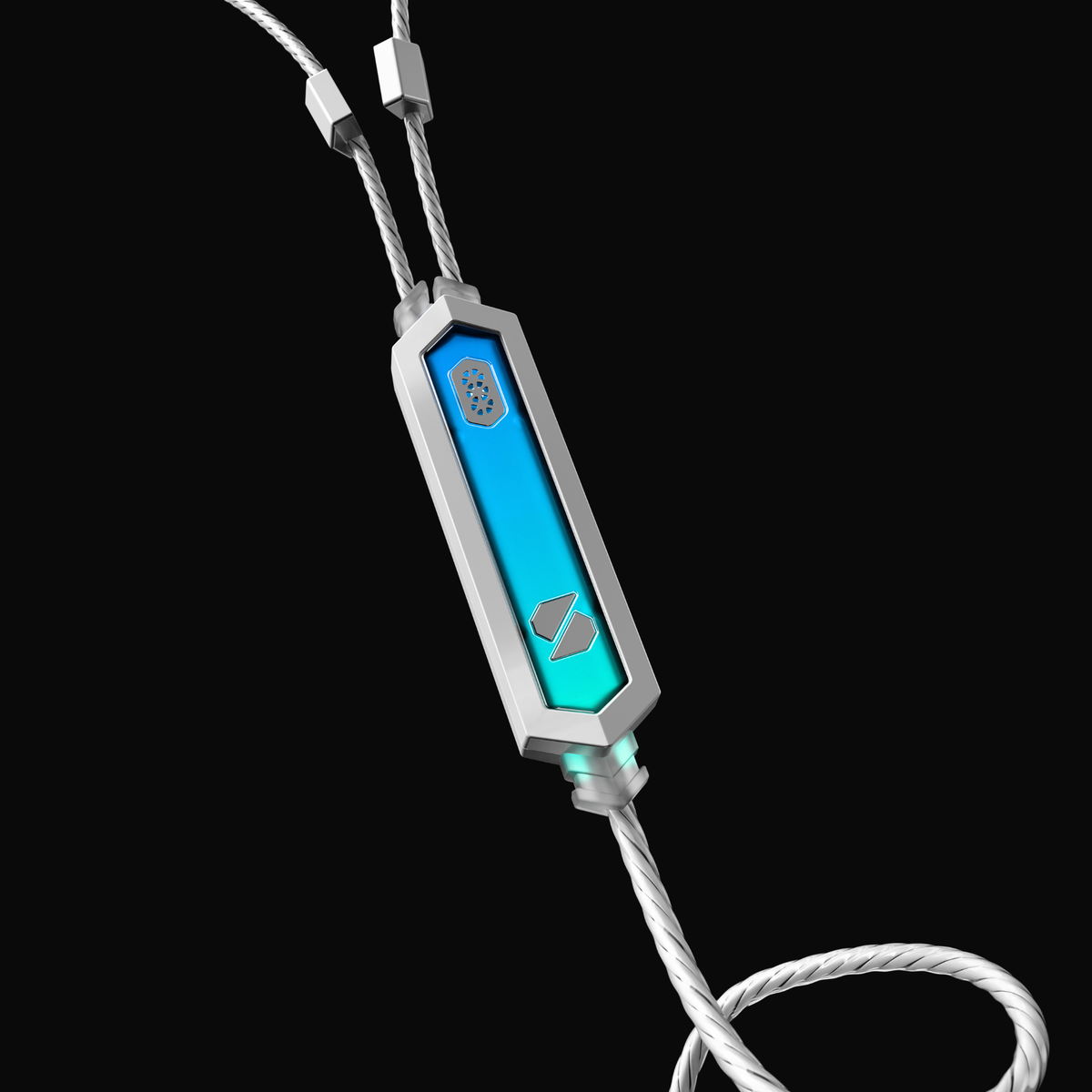
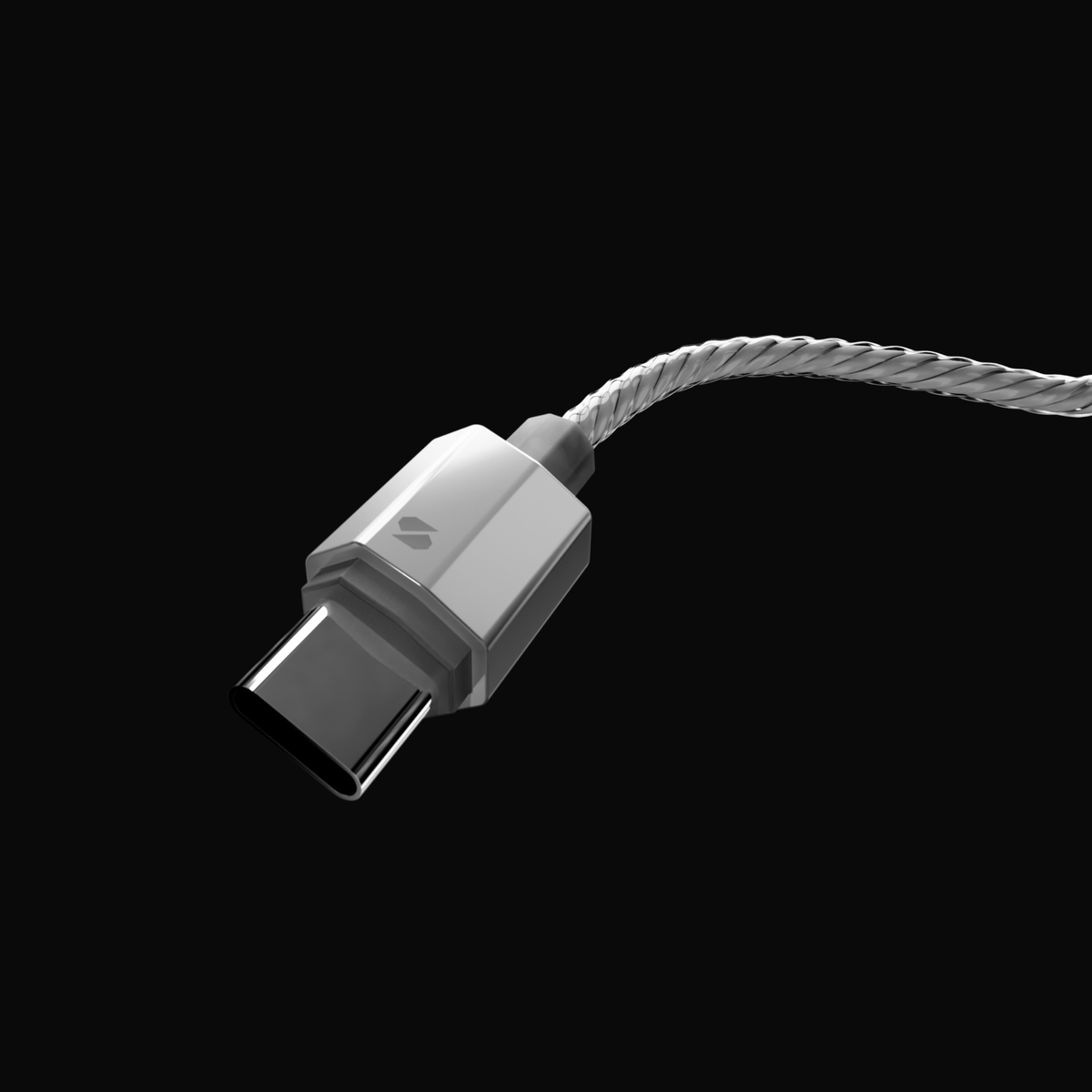
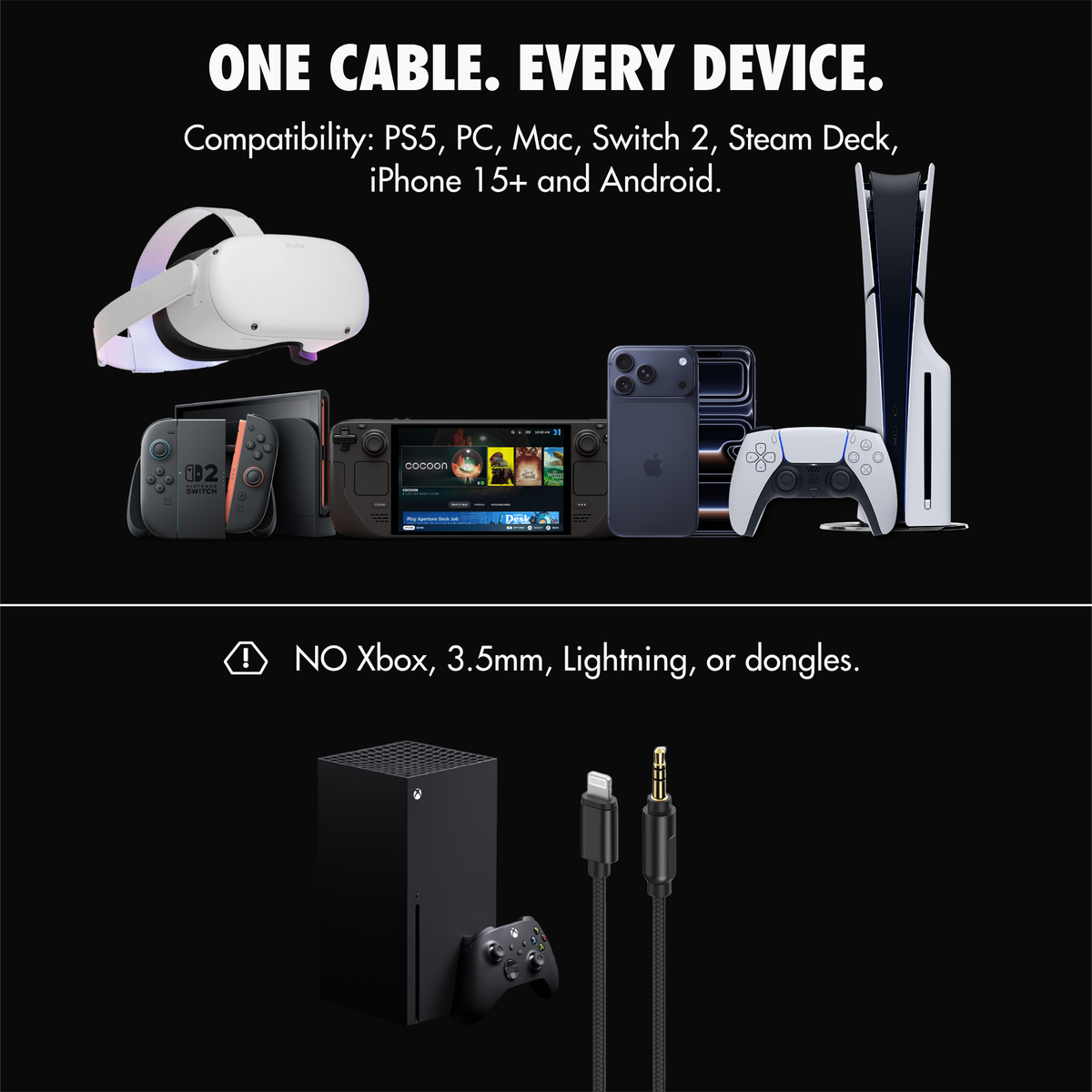
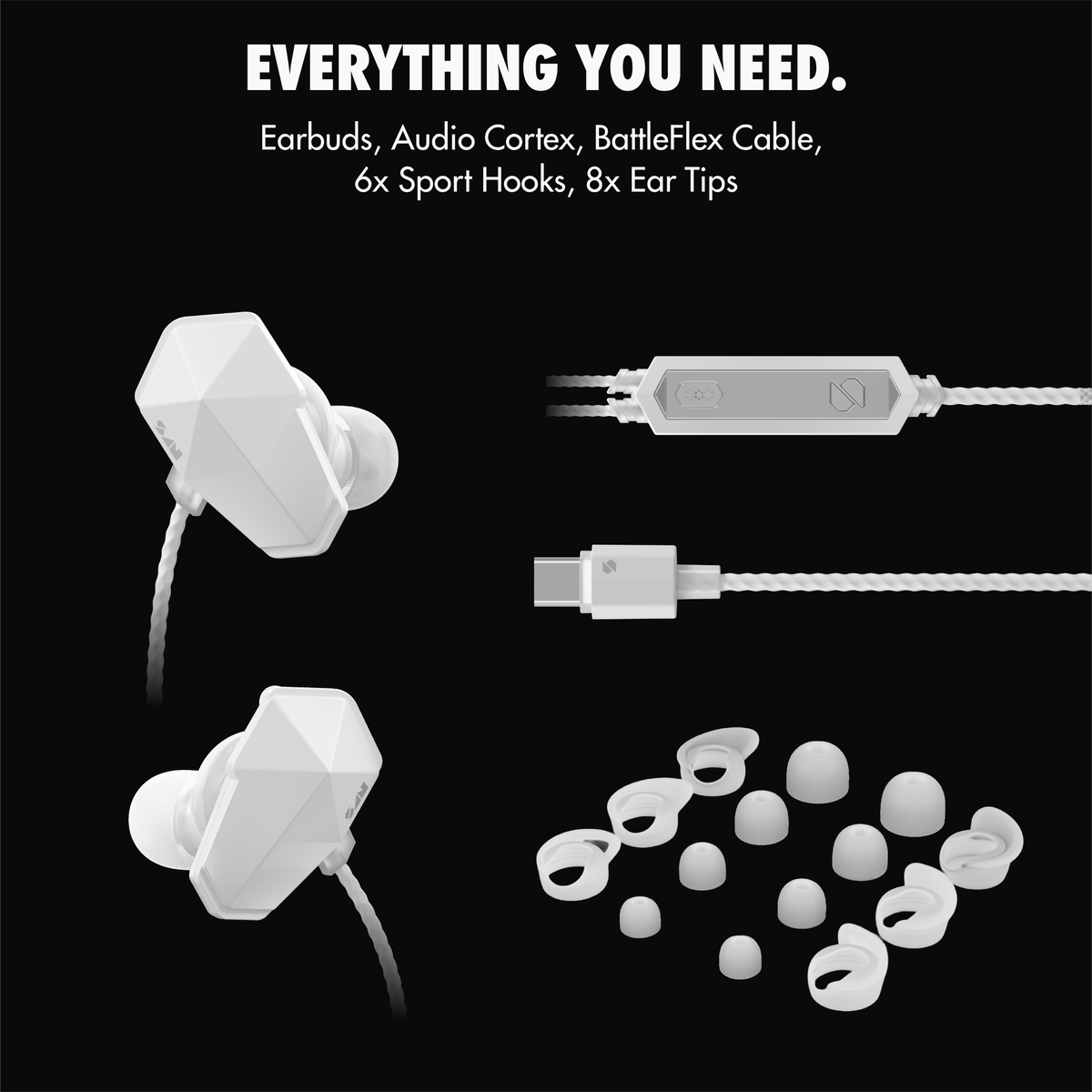
We took this a step further with HARDWIRE by combining our next-gen planar-dynamic driver architecture with the Audio Cortex, an integrated platform housing a dedicated DAC, high-powered amplifier, and digital processing that ensures consistent level of exceptional sound quality on any device. Together, these components preserve spatial information throughout the signal chain while giving our drivers the necessary power and control to reproduce it faithfully.

The result is an in-ear experience that doesn't make you choose between wide soundstages and accurate imaging.
Large environments retain their scale without sacrificing localization. Footsteps remain sharply defined even within expansive worlds. Films gain a stronger sense of depth and presence, where effects move physically around you like in a theatre. Songs open up into layered performances where you feel like you’re in the recording space..
Our mission has never been to conjure tricks and illusions of bigger sound through artificial processing. It has always been to remove the compromises that prevent you from hearing media the way artists, engineers, and developers intended.
Bit by bit, and soundwave by soundwave.
Over two decades of audio engineering have culminated in SANWEAR. Ready to re-experience sound like never before?
Get Addicted To Sound | Explore SANWEAR
//END TRANSMISSION//






共有:
Holographic Audio: Beyond 3D Spatial Sound
Single Driver Excellence