


Do More Drivers Deliver Better Sound? Not Exactly
This seems like a no brainer. The driver is the miniature speaker in the earbud that produces the sound. Therefore, more drivers should mean better sound, since more coverage equals more detail, which then results in more of everything …right?
In an industry where specs are often used as shorthand for quality, driver count, and the pairing of combinations of several driver types, becomes an easy number to point to.
However in audio, more doesn’t always mean better. Oftentimes, it just means there’s just more to manage.

Why Multi-Driver IEMs Exist
On paper, the idea makes sense.
Different types of drivers excel at different things. Dynamic drivers tend to handle bass with more presence and physicality – the exact properties that you need. Balanced armatures are often used for mids and treble due to their speed and precision. And planar or electrostatic drivers extend treble performance and detail..
So instead of asking one driver to do everything, why not split the work? Engineer a little orchestra of drivers inside your earbud: Give each driver a specific role, assign each of them frequency ranges they can champion, and combine them all into a single system.
In theory, you get the best of all worlds: deeper bass, clearer mids, sharper highs. And when done well, this approach can work. But reality is often not as simple as that.
Intricacies in Engineering and Manufacturing
The moment you add more drivers, you’re managing an entire system rather than one driver. Each driver needs to be assigned their section of the frequency range. The signal then gets split and redistributed across all the relevant drivers. But once the signal is divided, everything has to be put back together again so that it arrives seamlessly at your ear.
This is where the crossovers happen, and where a new set of challenges is introduced:
Phase Alignment
Timing matters because sound is just waves. These waves can either be in unison and reinforce each other, or crash into each other causing fuzziness and a ‘disconnected’ feel. With a single driver, there's nothing to be out of sync with: one source, one movement, and one output.
However with multiple drivers that handle different parts of the signal, each driver is in a different physical position, and has different mechanical behaviors (affecting properties such as speed and decay). This results in transients (spikes in the sound) losing sharpness and greater difficulty placing sounds in a 3D space. Frequencies can even cancel each other slightly leaving you with “blind spots” or gaps in the range.
Driver Matching
Every single driver, no matter how expensive, has tiny variations.
In large speakers and over-ear headphone drivers, that’s more manageable. However, in earbuds and IEMs, you’re dealing with extremely small drivers that produce sound for tiny acoustic chambers. Small differences get amplified, especially when the drivers have a direct path to your ear.
Multiply that across several drivers on each side, compounded by the crossovers and the tolerances, and you’ve got imbalances in certain frequencies, inaccurate imaging that shifts off-center, and left and right earbuds not performing consistently.
Acoustic Path Design
With most IEMs being larger physically, multiple drivers mean that sound doesn’t go straight out as it travels through the chamber, tubes, and even through other drivers. This means that even if you get everything perfect electronically and mechanically, the acoustics within the device can affect the final sound.
Slight delays (again, phase issues), frequency coloration or peaks & dips, and other inconsistencies in how sound blends will be the final layer draped over the sound generated in each ear. The more drivers you introduce, the more this potential stacks up.

Coherence is What Matters Most
Most of the time, you won’t be thinking about drivers or crossovers while listening. In fact, we’d be surprised if you’d even think about that at all! Your brain doesn’t hear “bass from one driver” and “treble from another” because all it hears is a single, cohesive sound. But you will know whether something feels right or not.
Transitions between frequencies can feel uneven, imaging becomes less defined and precise, and things start to feel different parts aren’t fully connected. You can have one side that sounds anemic, and yet the other side feels too loud or shouty, breaking your immersion because things just don’t feel right.
This reinforces one of our fundamental principals: Great audio is all about the feel, or your experience, not how many drivers are in your earbud or how much range you can cover.

Sometimes, Less is Better
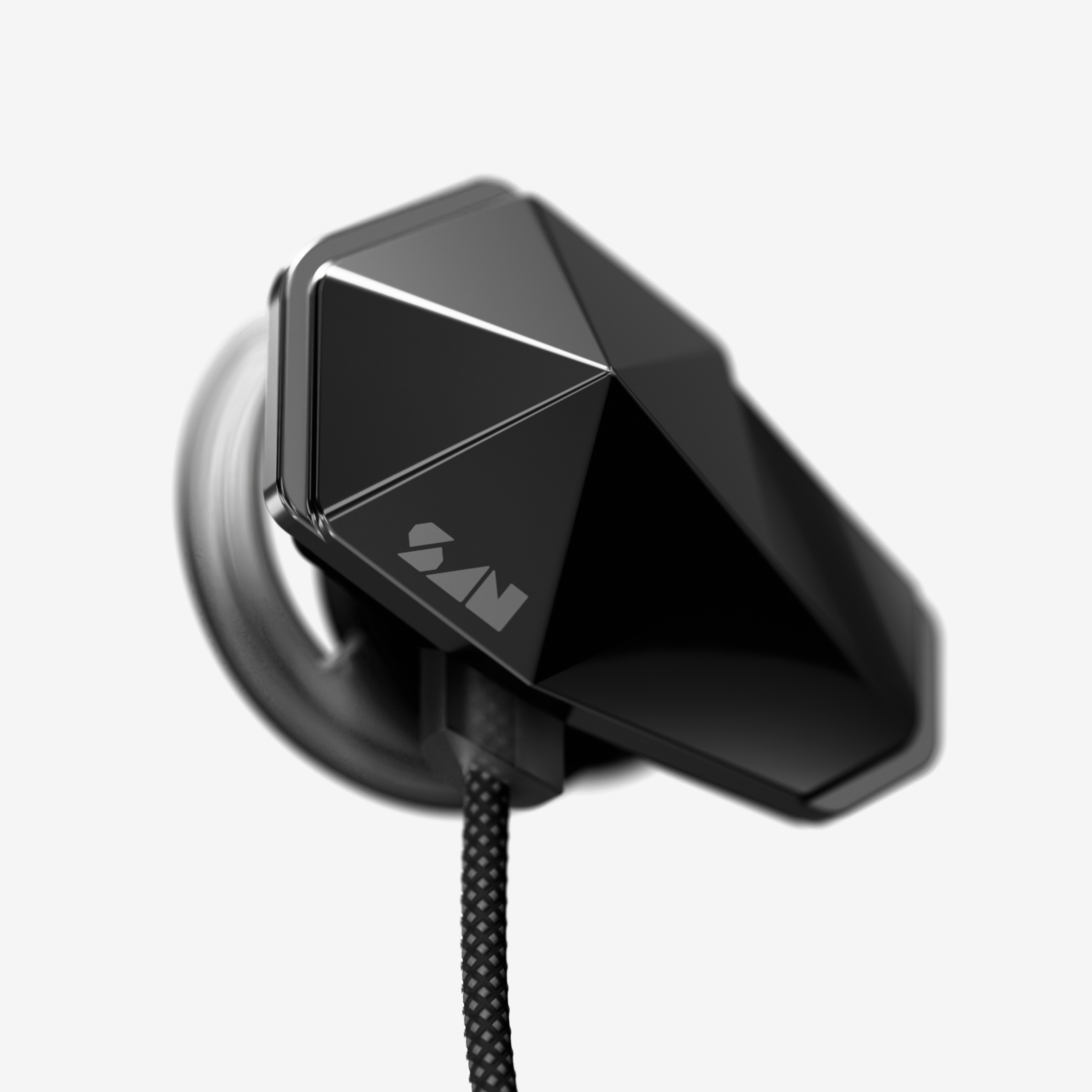
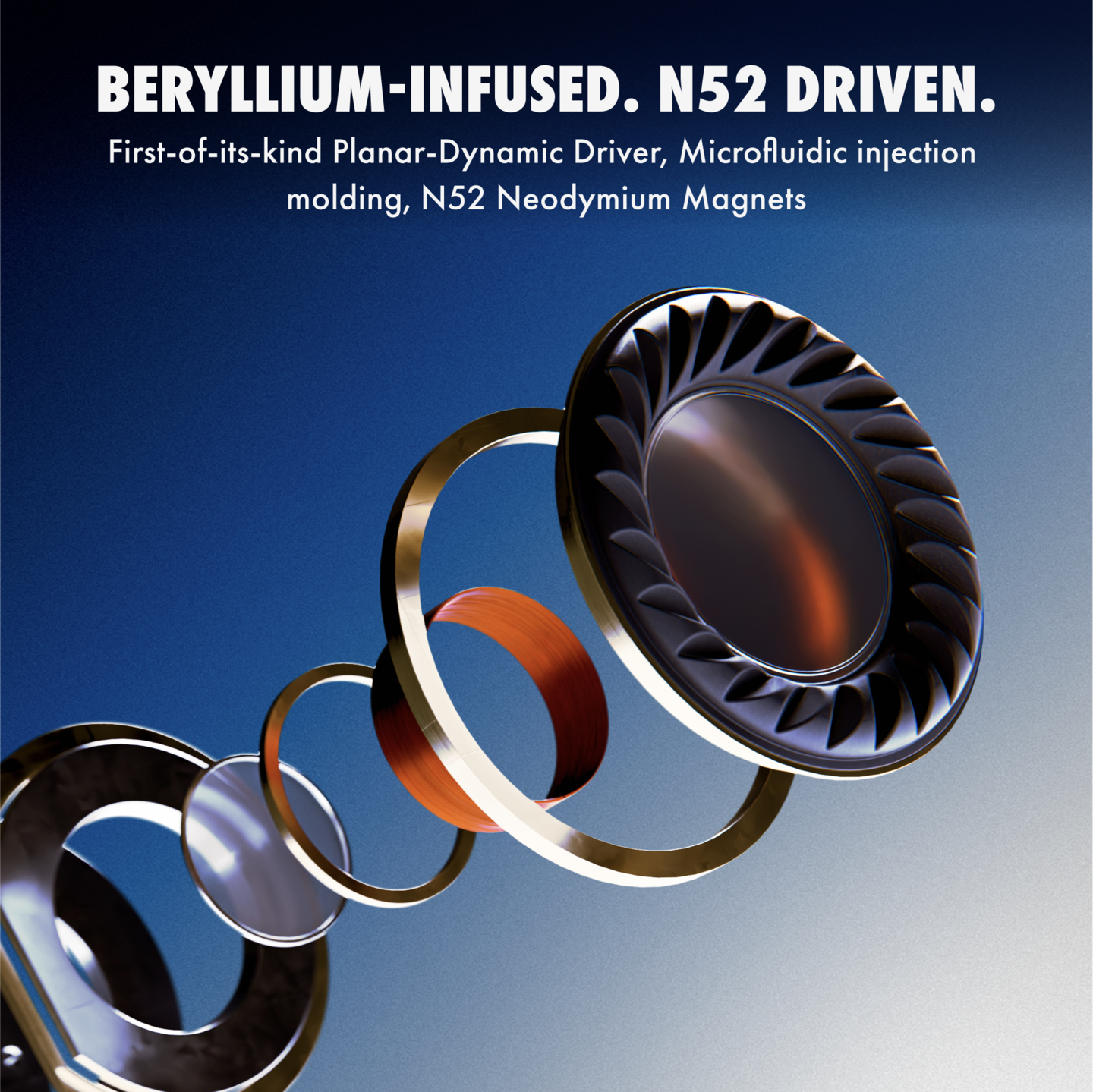
To us, the simplicity of a single-driver system is what makes it so powerful.
Without the need to split the signal across multiple components, there’s no need to reassemble the sound afterwards. Everything comes from one source, moves through as one, and results in one unified sound straight out of the one driver.
Phase alignment is naturally consistent, sound remains cohesive across the entire frequency range covered, and because there are far fewer variables to manage, there are also a lot less points where things could go wrong. However, this comes with one big trade-off that we’re willing to take on: it’s all or nothing.

One slip up, and it’s a sub-optimal, underwhelming experience.
Achieving a high level of performance is less about multiplying complexities. Instead it’s choosing to do one thing right, and executing flawlessly with shameless intent. No matter how long it takes for you to get there, or how many iterations you have to go through to get it right.
And when your objective is producing high fidelity spatial audio, perfect imaging and consistency matters even more. The accuracy and precision that a single-driver design brings out best.
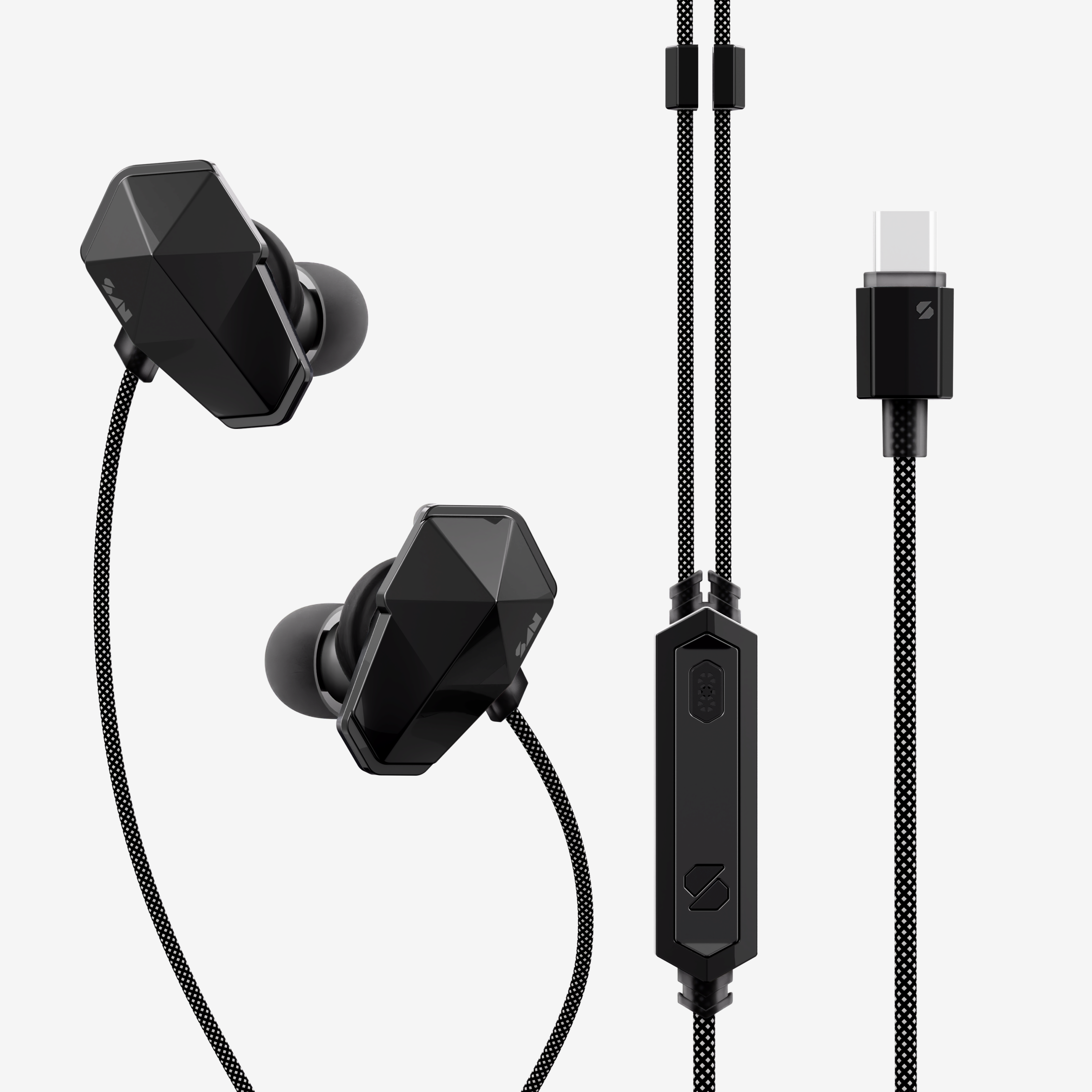
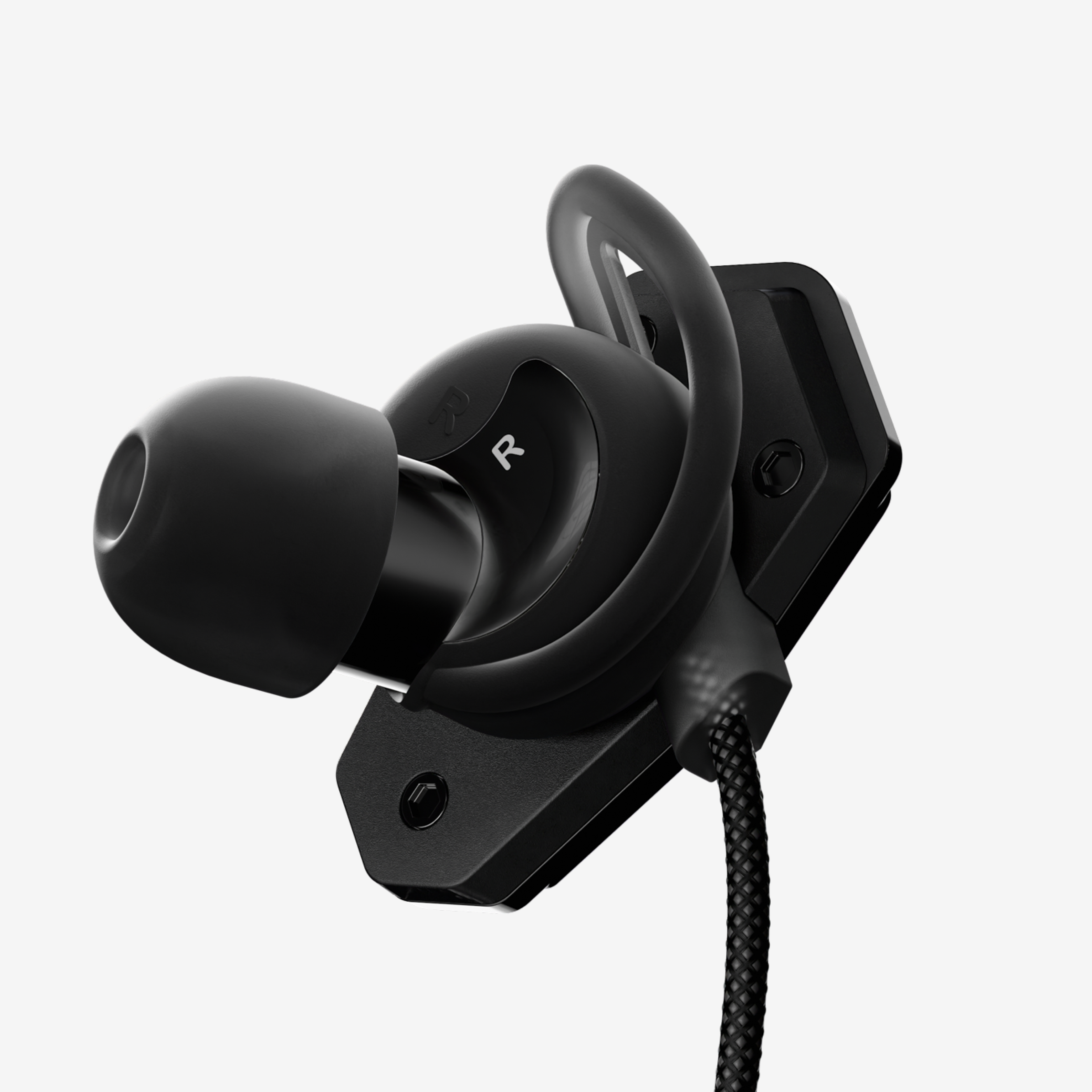
Learn why gamers and audiophiles are choosing SANWEAR's gaming earbuds over traditional headsets.
Experience SANWEAR | Discover Holographic Audio
//END TRANSMISSION//



Share:
The In-Ear Advantage: What In-Ear Headphones Do That Over-Ear Doesn’t
HARDWIRE-OS Update: Mute Your Mic Without Reaching for Your Phone