


Digital Signal Processing And What It Can Do For Your Audio
Digital Signal Processors (DSP) can be one of the most powerful tools in modern audio. With the right processing, you can reshape how something sounds completely. The bass can be increased, the highs can be tempered, and everything in-between can be smoothed out and blended.
In short, DSPs can take something average and potentially make it punch above its weight class. With all that said, as much as we use DSP in our spatial earbuds, we think that the following considerations are worth discussing.
1. What is the limit on how much DSPs can ‘fix’ hardware?
2. And, what should the actual role of DSPs be?
The DSP’s Role
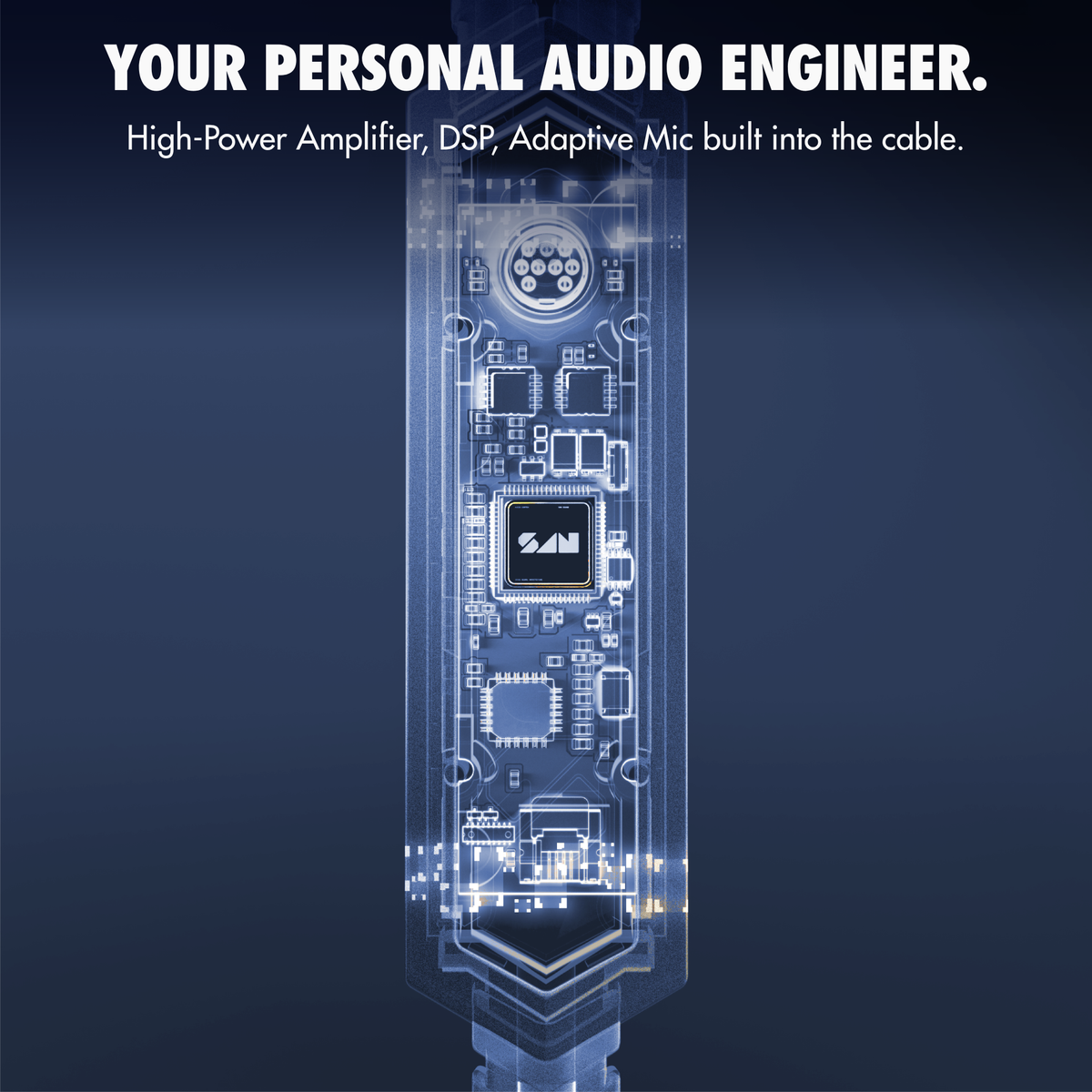
The DSP is responsible for modifying the sound signal as part of the overall sound processing chain. The digital sound processor is a programmable chip that adjusts frequency balance and applies compensation curves, therefore shaping the final target sound. Whether it’s built into a device or applied through software, the goal of digital sound processing is the same: take the incoming signal and alter it into something more desirable.
This, however, doesn’t mean that DSP is synonymous with EQ, or equalization. EQ is a subset of DSP that’s largely focused on tuning and managing the acoustics of the device to attain a target sound signature. DSP goes beyond EQ into timing alignment, compression and limiting, and other features like spatial or virtual surround sound, and noise cancellation.

Benefits…
In many cases, DSPs solve real problems.
DSPs, when built into listening devices, allow better consistency across devices by correcting imbalances and variation in the manufacturing process. This allows companies to standardize the sound quality of the final product. Poorly tuned headphones can be made to sound more balanced; thin and anemic sound can be filled out; and harshness, as well as other undesirable qualities, can be minimized.
For engineers and manufacturers, the DSP introduces additional flexibility and functions that fully analog hardware cannot. It allows for fine-tuning both during and after production, compensating for physical limitations and deficiencies, and maintaining consistent quality across units despite the small variations in parts and components.
For listeners, that same flexibility translates into more control options. Sound profiles, EQ adjustments, and personalization options make it all possible to tailor your audio exactly to one’s own preference, genre, or even compensate for different environments. However, this flexibility comes at a cost.
The Tradeoffs
Each additional layer of processing changes the signal further away from its original source form. These are often subtle, but they can introduce small artifacts and unintended coloration that veer away from the artist’s or producer’s original intent. Not to mention the other additions such as the small amounts of latency brought on by the extra processing needed.
More importantly, having more control does not translate to better sound quality. Multiple bands of EQ sliders may feel empowering to an end-user, but if the user is not well-versed in the ‘Art of EQ’, it is quick and easy to distort the sound profile beyond what most can find enjoyable.
Tiny changes can affect sound deeper than they initially appear. Small boosts in one area can have ripple effects throughout the rest of the frequency range, throwing the entire sound out of balance. What can initially sound right and feel good, may end up more muddy and distorted than initially thought.
Lastly, and most importantly, DSP cannot make drivers do what they aren’t capable of. If a driver is naturally deficient in certain frequency ranges, or are too slow and unable to handle the rapid excursion during intense and chaotic moments, DSP simply cannot compensate for those shortcomings.
Fidelity Through Refinement
Engineering great sound should never begin with correction. We start with the fundamentals: excellent driver design and material quality, tuned to bring out the best from the hardware first. Only then do we allow DSP to step in.
Its role is limited in cleaning out the unwanted noise and impurities to help bring out the original sound that artists, sound engineers, and developers intended.

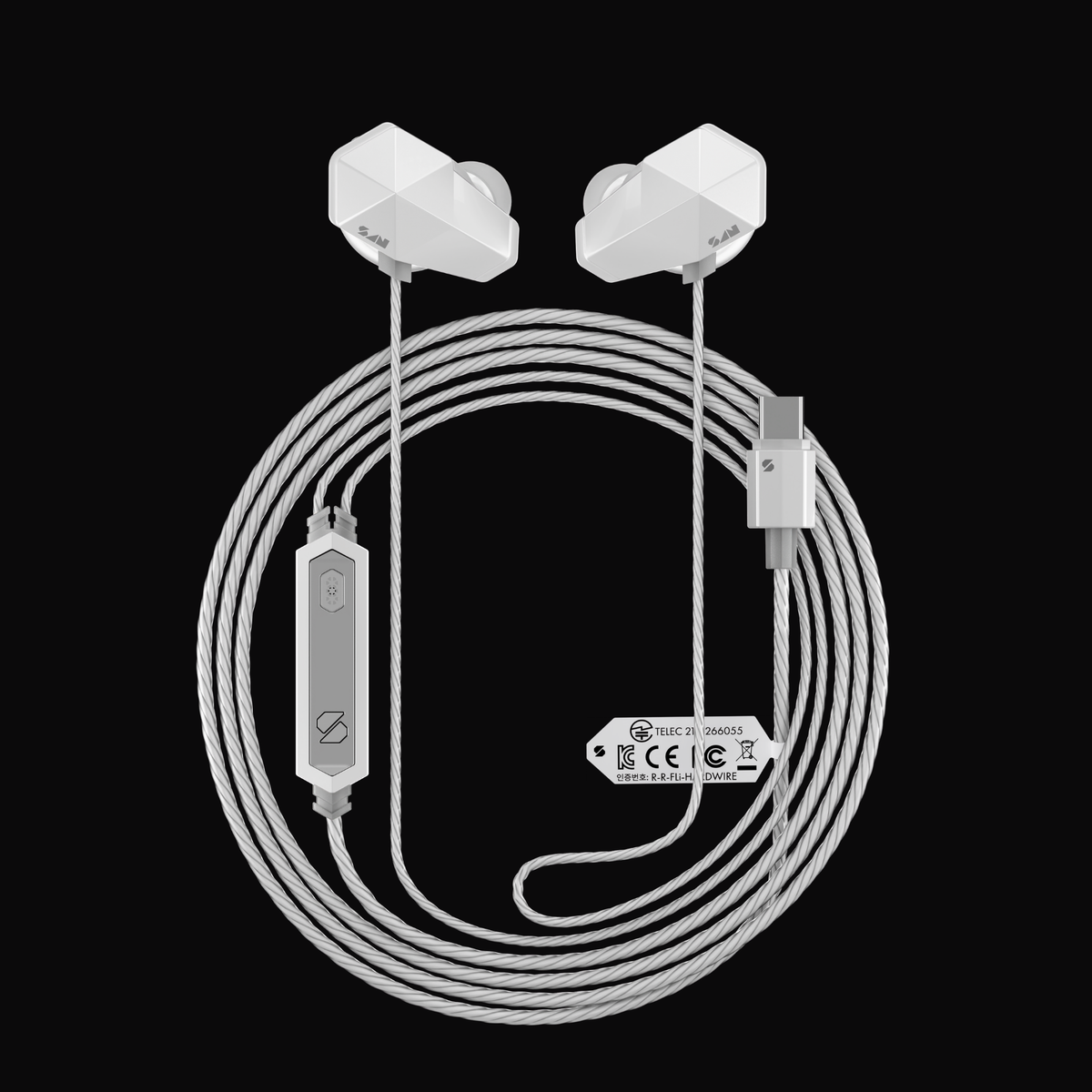
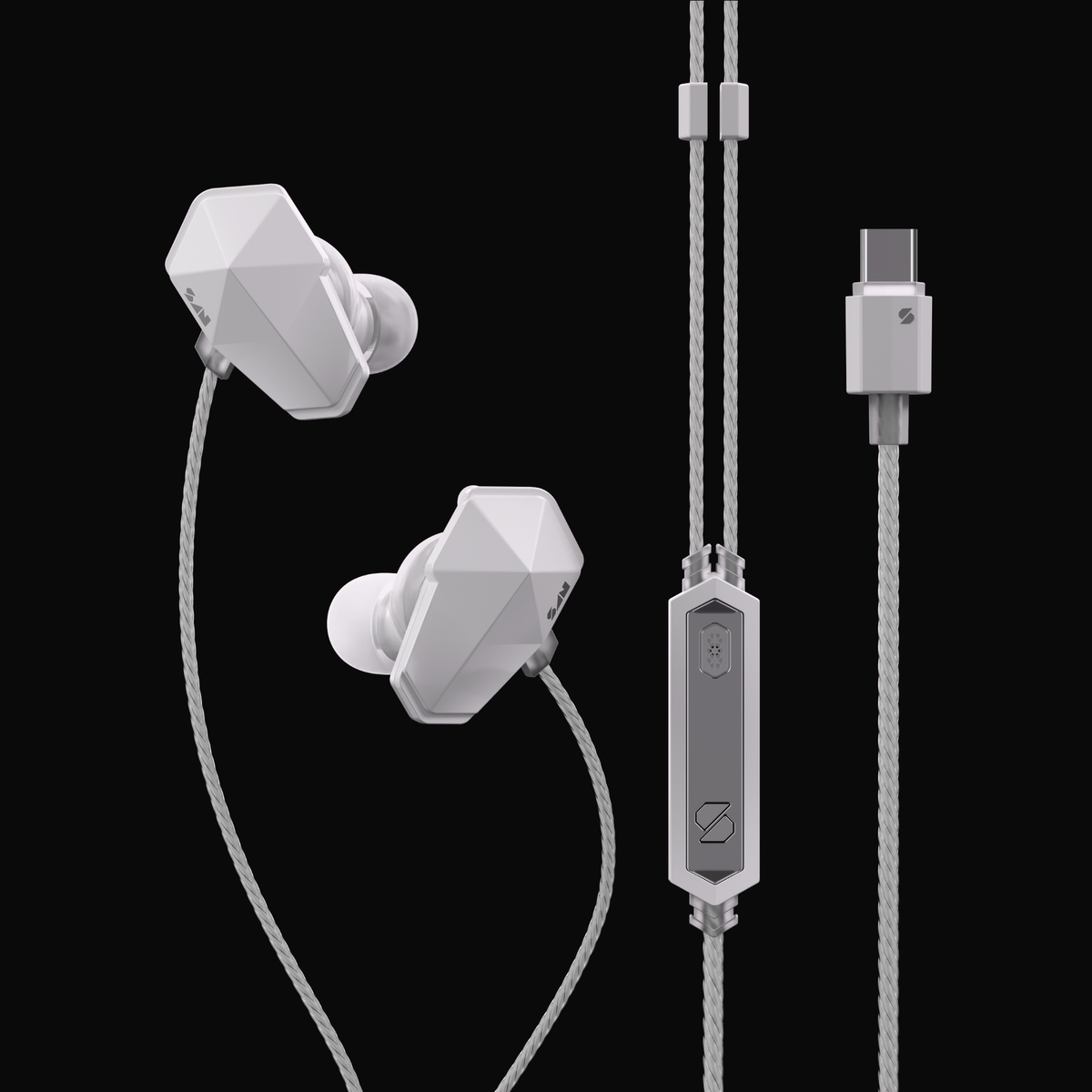
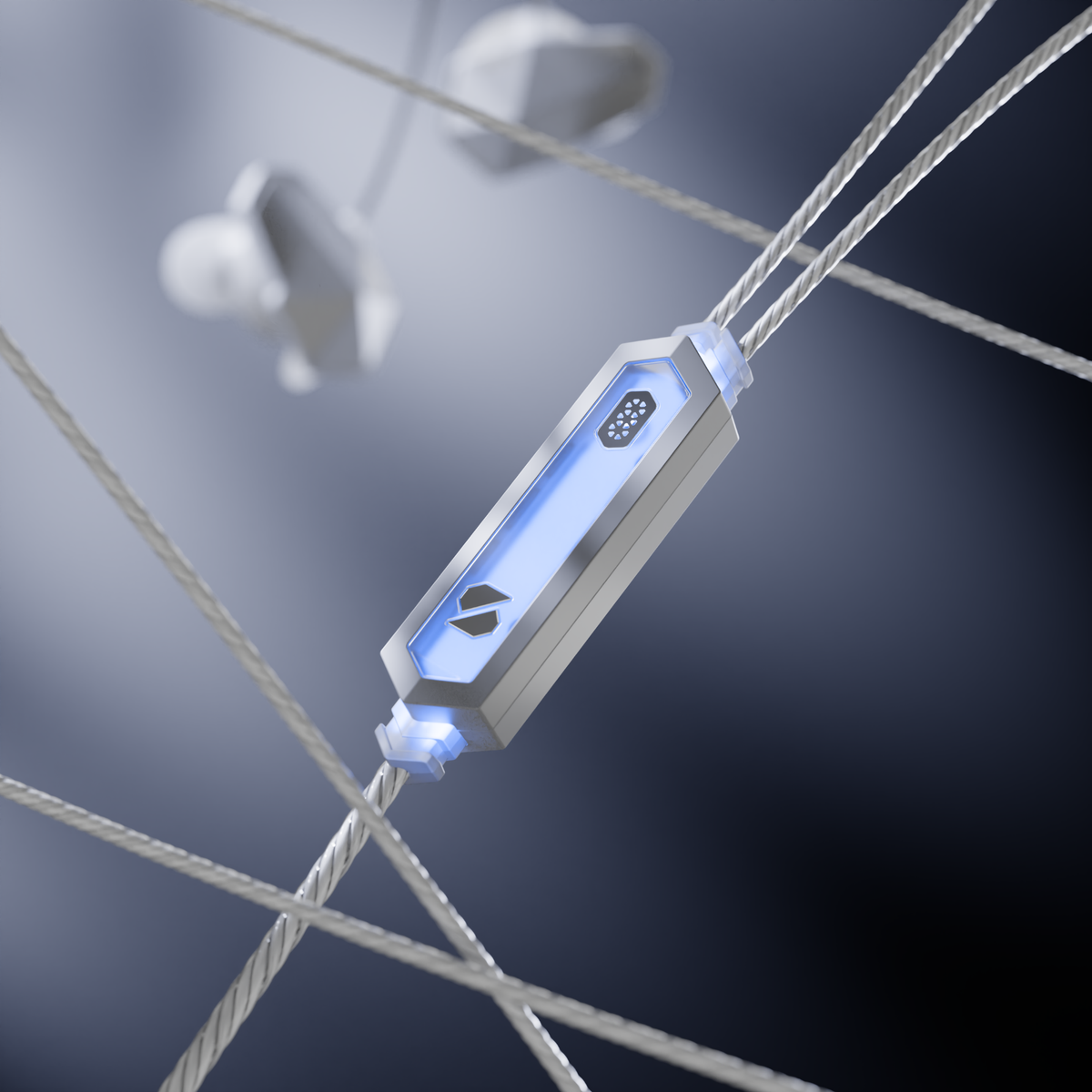
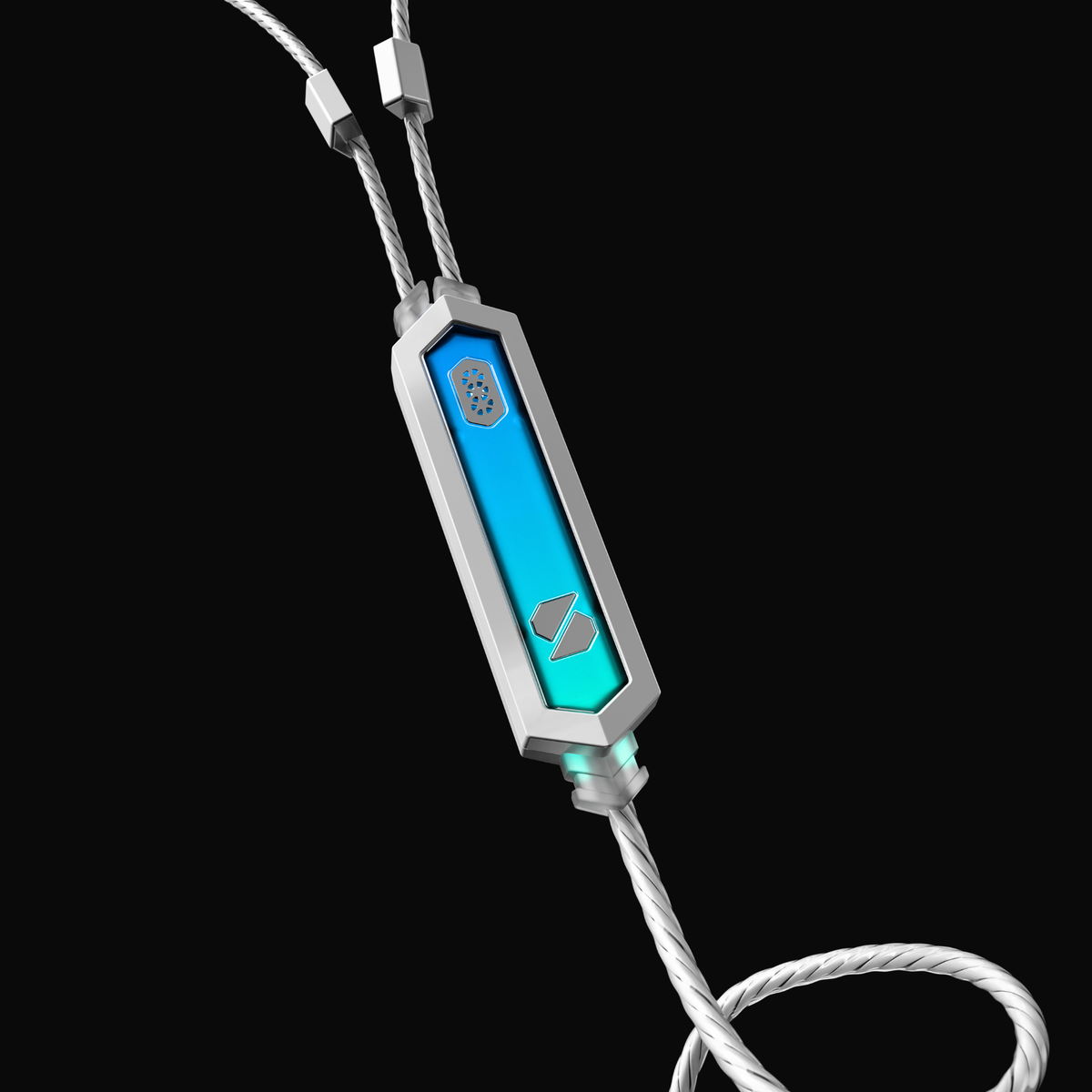
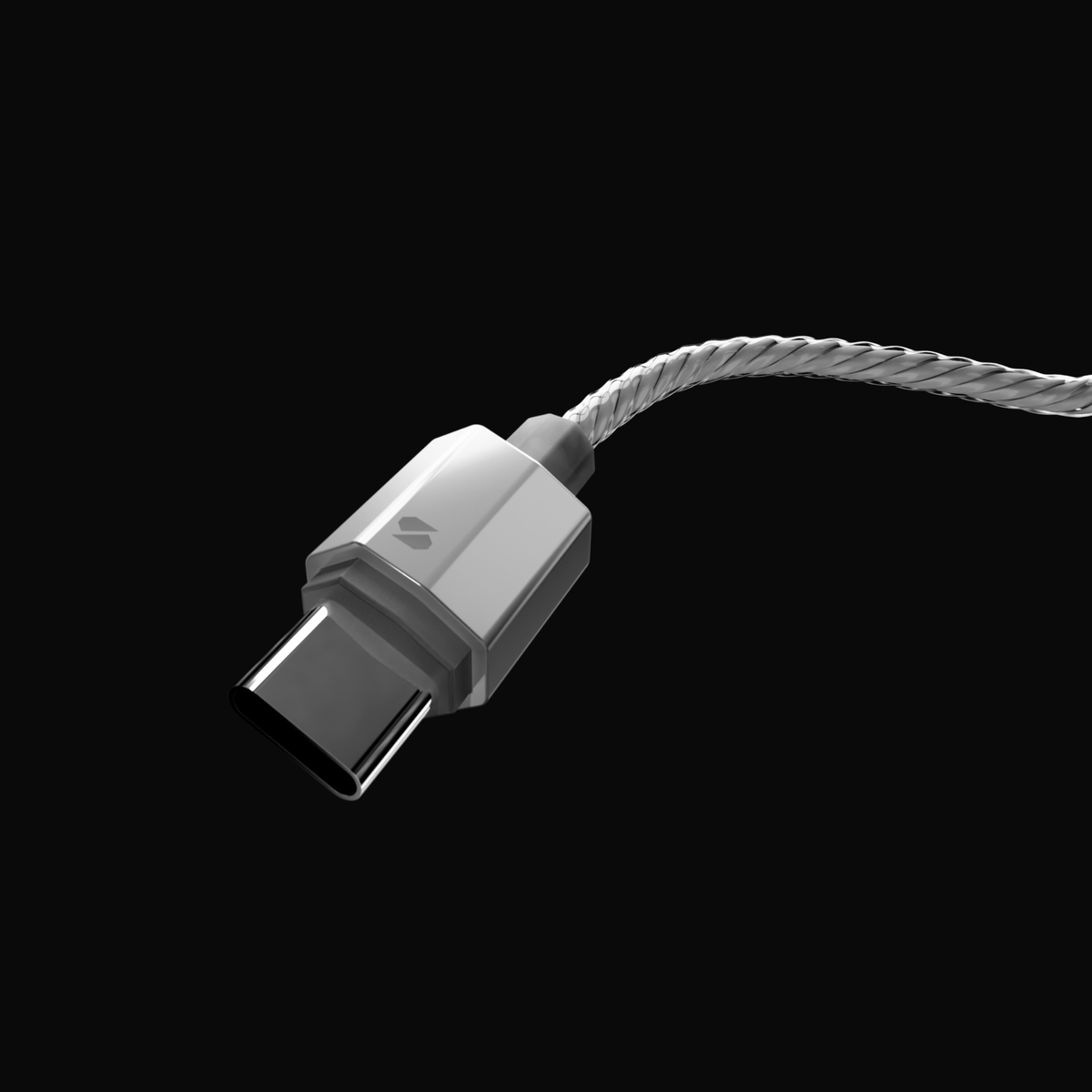
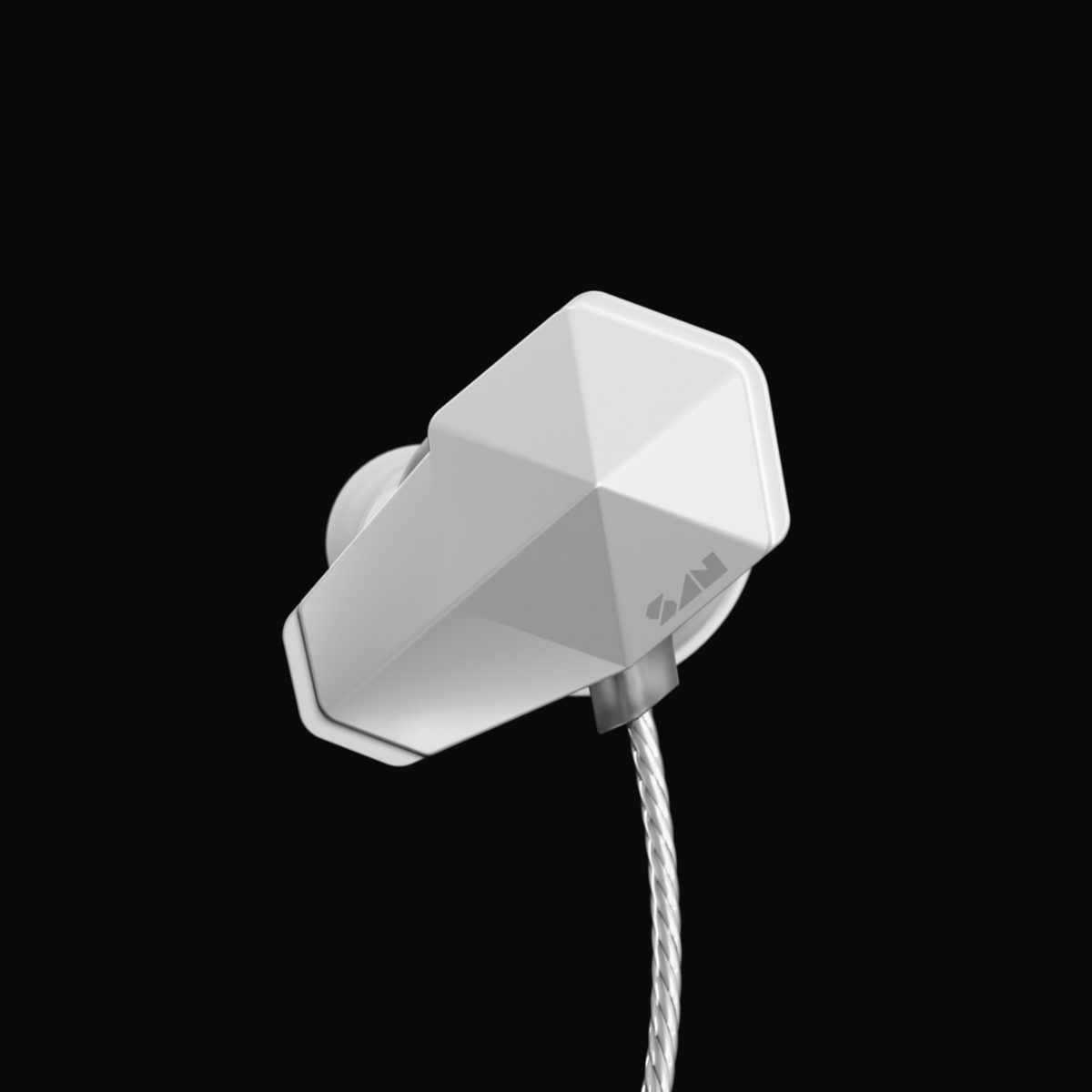
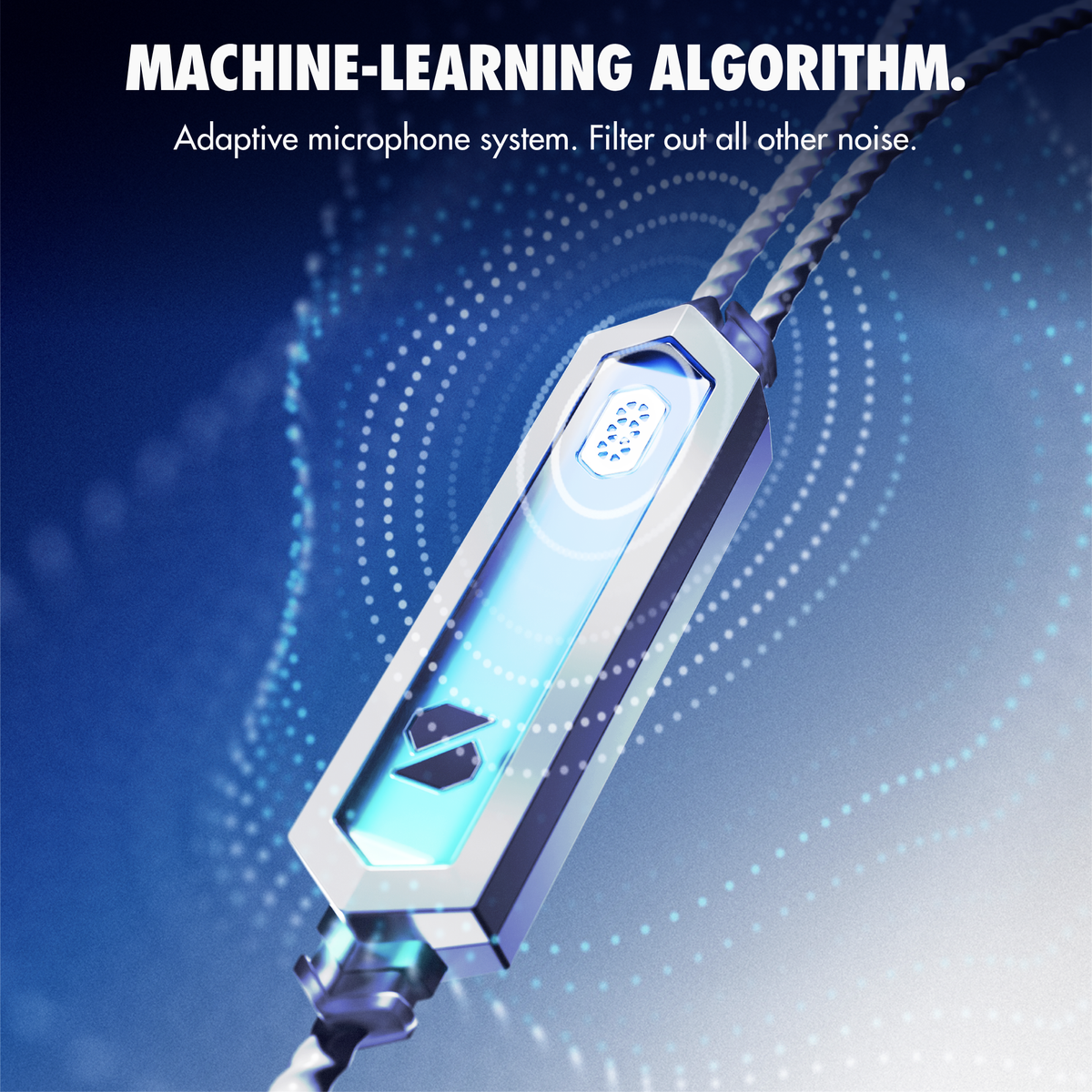
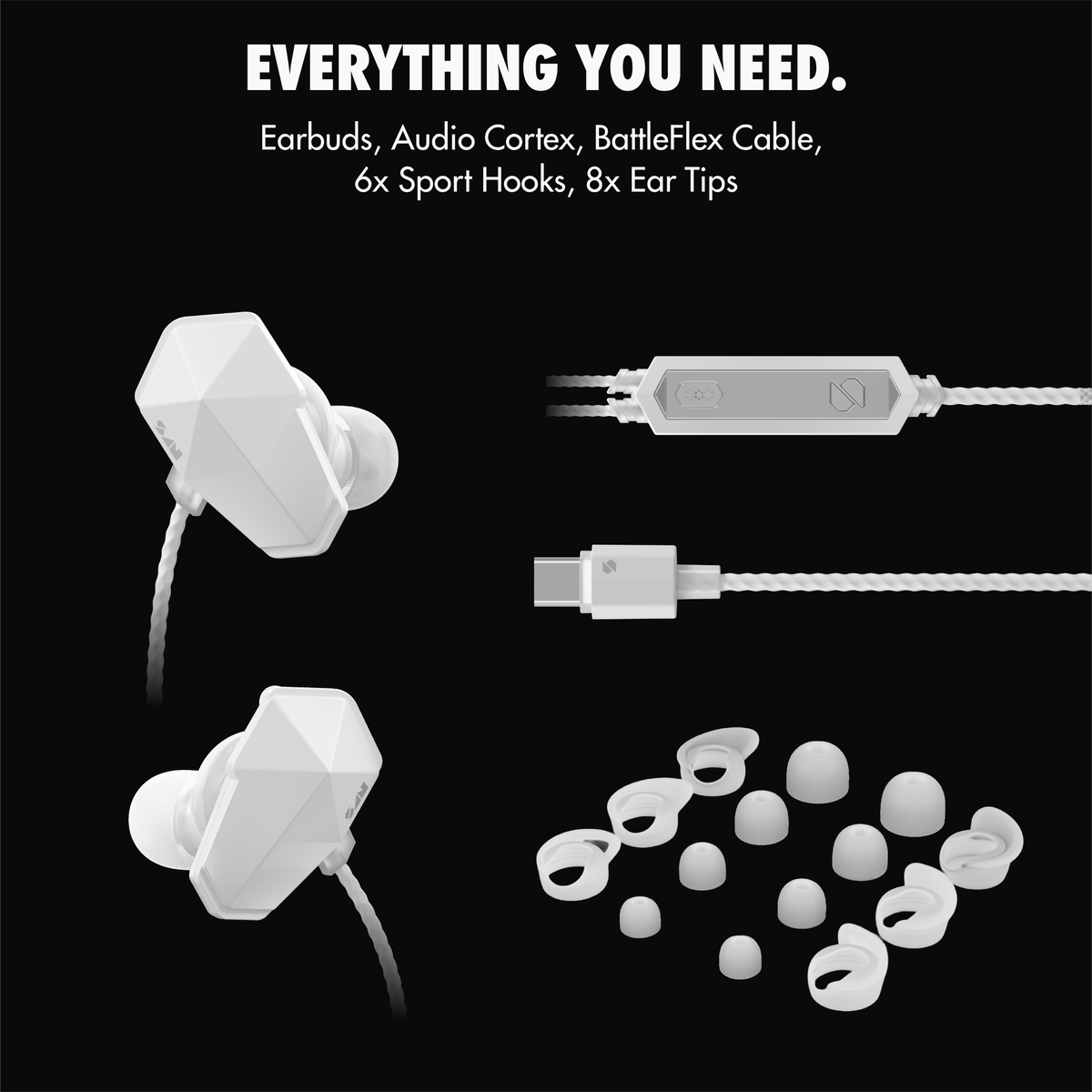
It's this philosophy, and these safeguards, that allow SANWEAR to deliver unmatched clarity, unparalleled spatiality, all with the studio reference-grade realism that reconstructs reality through sound. All SANWEAR come with a DSP. However, Through HARDWIRE and the Audio Cortex, we are able to push above and beyond the limits we have currently reached through GAMETYPE and QUANTUM:
-
Sharper, pin-point accurate sound cue placements in-game
-
A stronger sense of space, scale, and layer separation in movies and shows
-
Studio recordings so clear they feel like they’re made just for you
-
Live performances that layer in the crowd, the music, and the ambiance, putting you right across the centerstage.
We recognize that DSP is a powerful tool and has the potential to reshape sound completely. However we also choose to use it to refine sound, rather than transform.
After all, if everything was done right from ground up, what is there left for the DSP to correct extensively?
Learn how over two decades of audio engineering laid the foundation of The New Baseline in sound.
Explore The New Baseline | Discover Holographic Audio
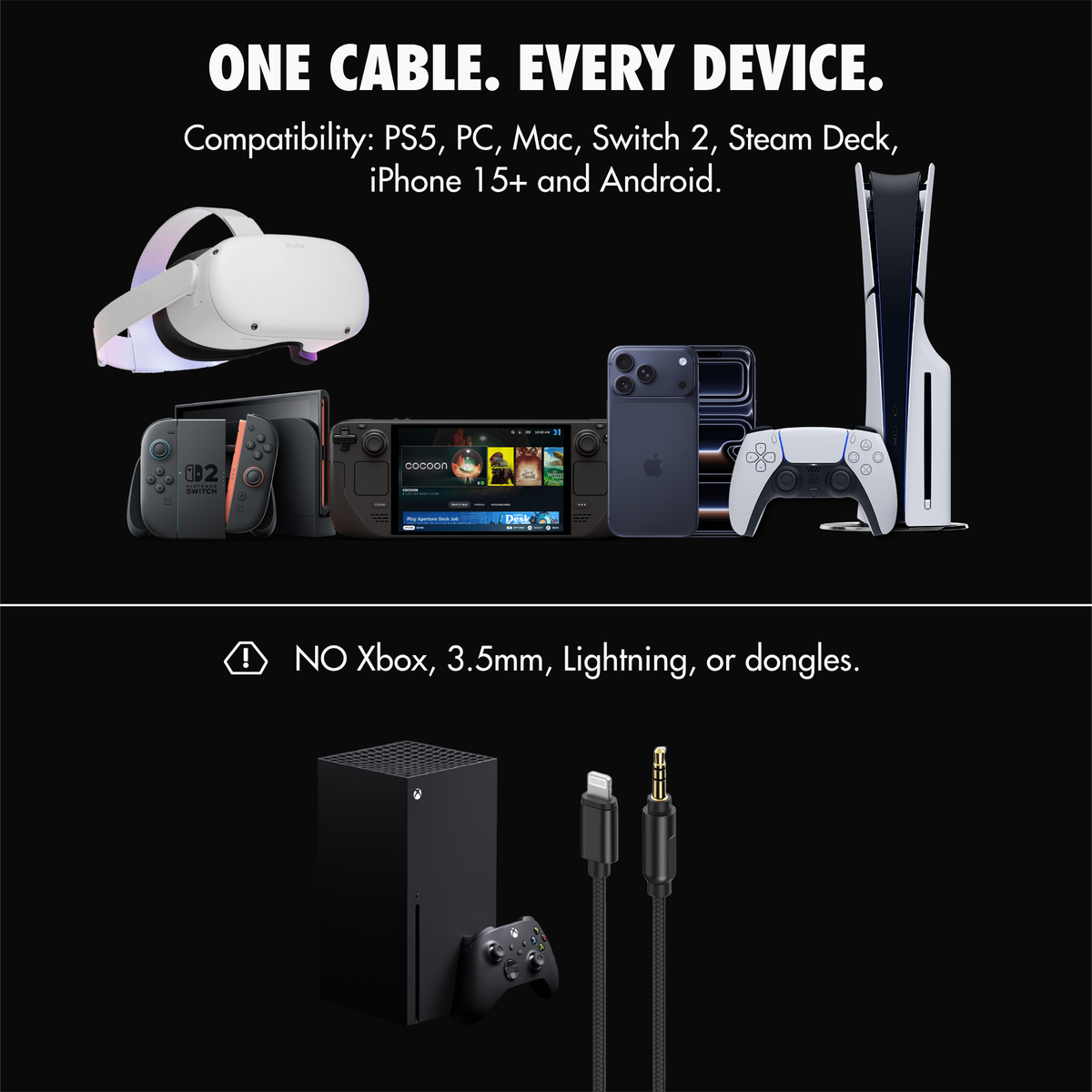
SANWEAR-HARDWIRE is AVAILABLE NOW for $99
//END TRANSMISSION//




分享:
SYSTEM UPGRADE: HARDWIRE-OS v1.0.0 Release
UPDATE: HARDWIRE FOR EVERYONE | Open Availability Starts June 17