


With the revival of analog media like vinyl records and cassette tapes, a decades long debate among the audio community has also resurfaced: “What is actually better: Analog or Digital?”
According to the Audio Engineering Society (AES), analog audio is defined as a continuous electrical signal that acts as a physical likeness of sound waves. Digital audio, in comparison, is defined as a series of numerical values, created by sampling and quantifying an analog signal into binary code. To put it simply, analog audio sound is represented in a physical form or media (records and tapes), while for digital, it is sound represented in 1’s and 0’s. While some swear by the virtues of an analog signal, others argue it makes no difference.
We believe that the real conversation on “digital vs analog audio” shouldn’t be which format is superior, but rather, how much of the original survives from the source to your device’s driver throughout the entire sound processing chain. In the modern day, all recordings must move through multiple layers of decoding and sound processing before making it to the listener. The resulting signal reaches the final digital-to-analog conversion (DAC) phase that allows your earbuds, headphones, or speakers to project the sound you end up experiencing. All modern audio is digital until it finally isn’t.

If everything starts as data, what factors determine whether that data reaches our ears, remains intact, or ends up being diminished? And where, along that long journey from digital to analog does fidelity actually begin to slip away?
Modern Media Is All Data
Although it’s true that analog media is making something of a comeback, whether we like it or not, media these days is digital-first. Music, movies, and your favorite shows are first mastered with the highest fidelity and then exported into a variety of formats.
The main lossless file is compressed into formats with different levels of quality, ranging from the highest that include Blu-ray discs, and CDs; to digital formats balancing lower file sizes and highest reasonable quality optimal for streaming platforms. In games, everything is rendered in real-time by the game engine, allowing for the purest signal that lets gamers experience the best possible spatial audio in games.
Regardless of whether you listen to a published file or dynamically-rendered audio in real time, everything needs to go through one final step: the conversion of that digital data into analog volts that your headphone’s driver reads, which is the DAC’s job. The focus of the most basic DACs is to deliver clear, hiss-free audio. But in the age of spatial audio, the preservation of that signal’s fidelity to deliver the fully-3D sound stages intended by the creator, has become more important than ever.
Preserving Fidelity Has Its Own Challenges
Every layer in the sound processing chain introduces an opportunity for the original signal to weaken, or get compromised. Poor digital analog conversion can smear detail, resulting in muddied audio.
 Overall, this level of compression can flatten the space between layers, and give a much smaller and less dynamic soundstage. When watching shows or movies, or listening to music, flattened sounds cause a general loss in quality that leads to increased fatigue and other discomforts. For gaming, your ability to perceive dimensional cues in-game is greatly reduced.
The resulting sound may be serviceable, but subtleties and nuances that give better spatial awareness are reduced, and with it, go the depth and realism that make all media more immersive and enjoyable.
The common mistake people make is assuming sound quality only matters at the extremes: Either you are a gamer chasing the most competitive tactical edge, or you are an audiophile/cinephile chasing the highest resolutions possible. In reality, it is paramount to preserve the source signal as best as possible until it reaches the very end of the sound processing chain in all listening cases.
Transforming Data Into Motion

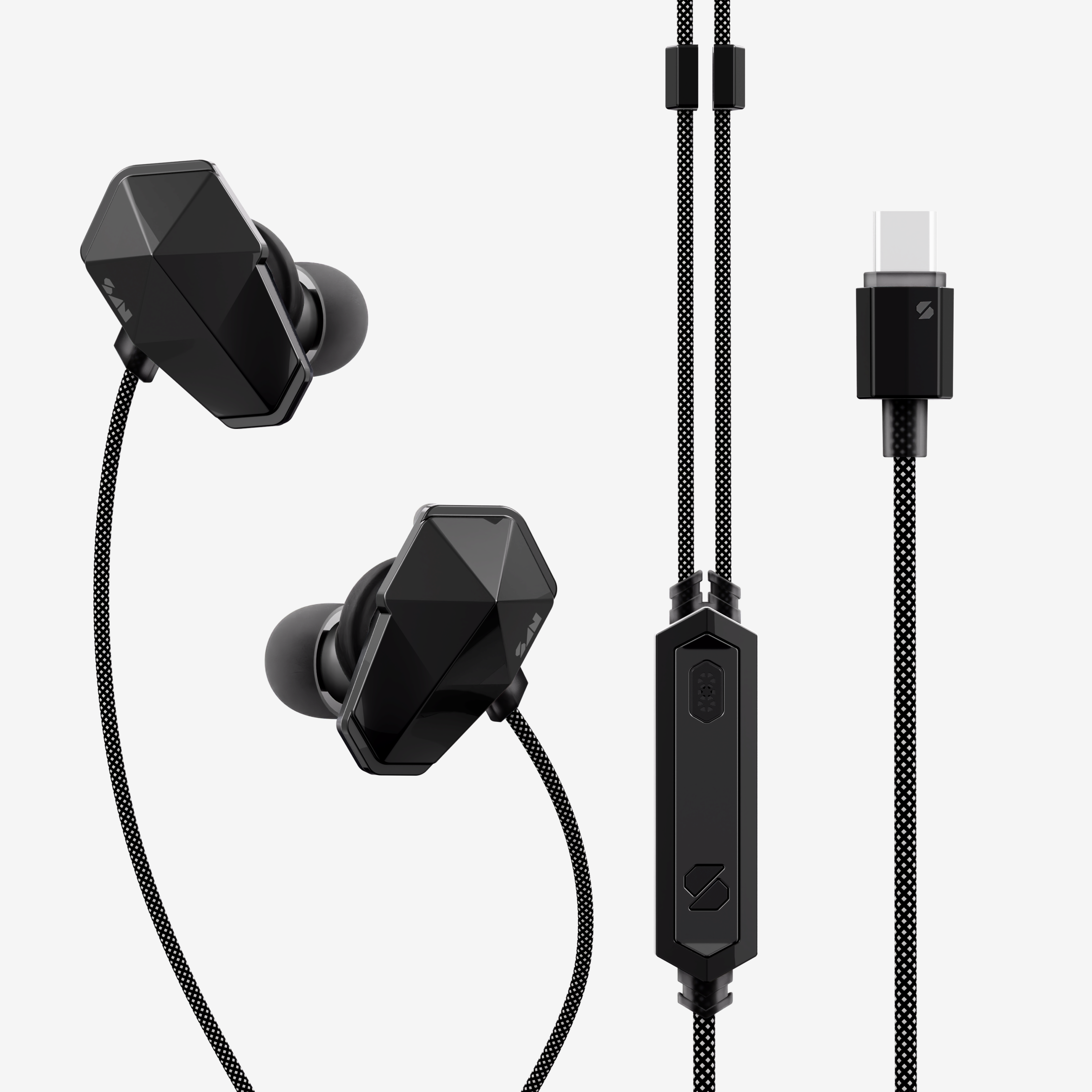
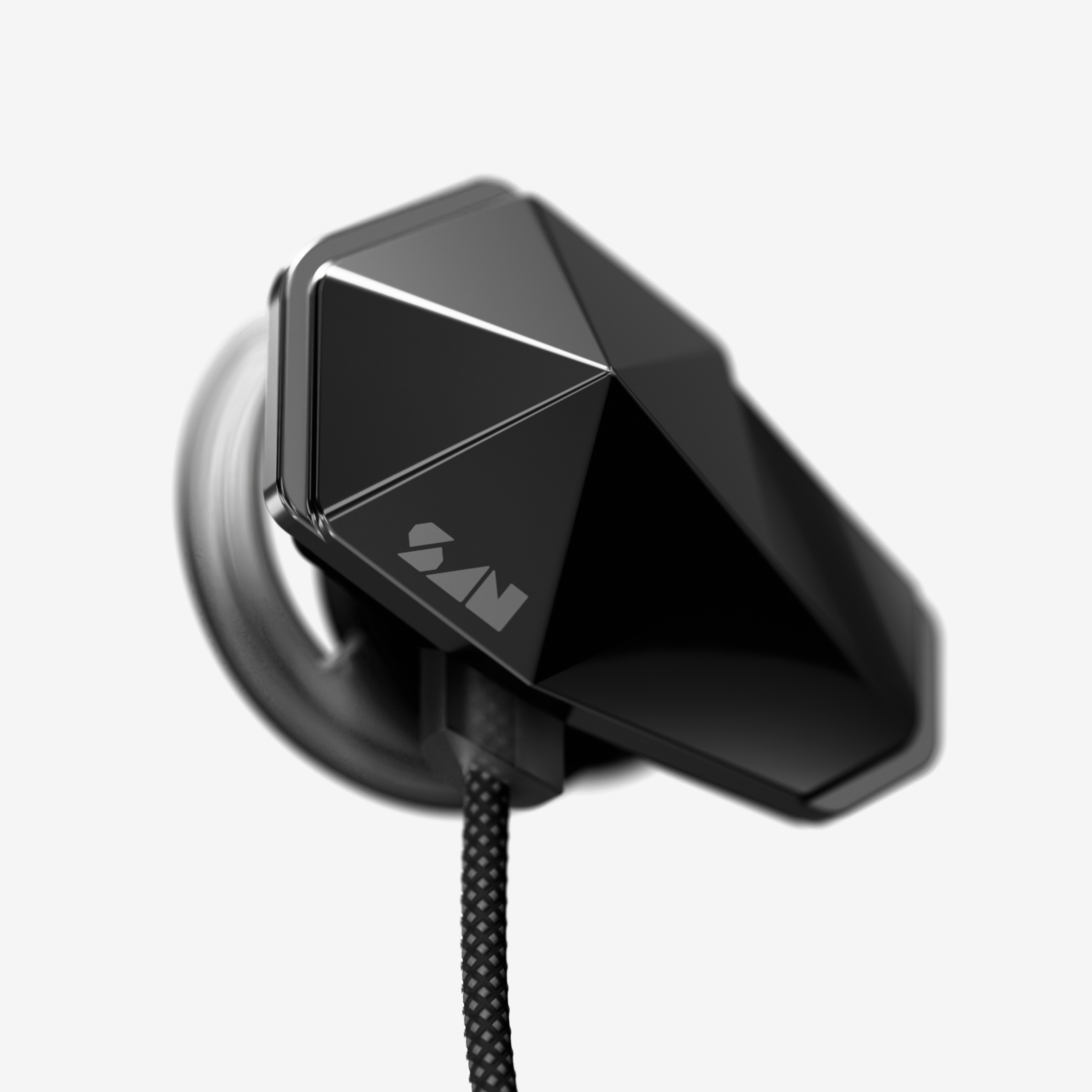
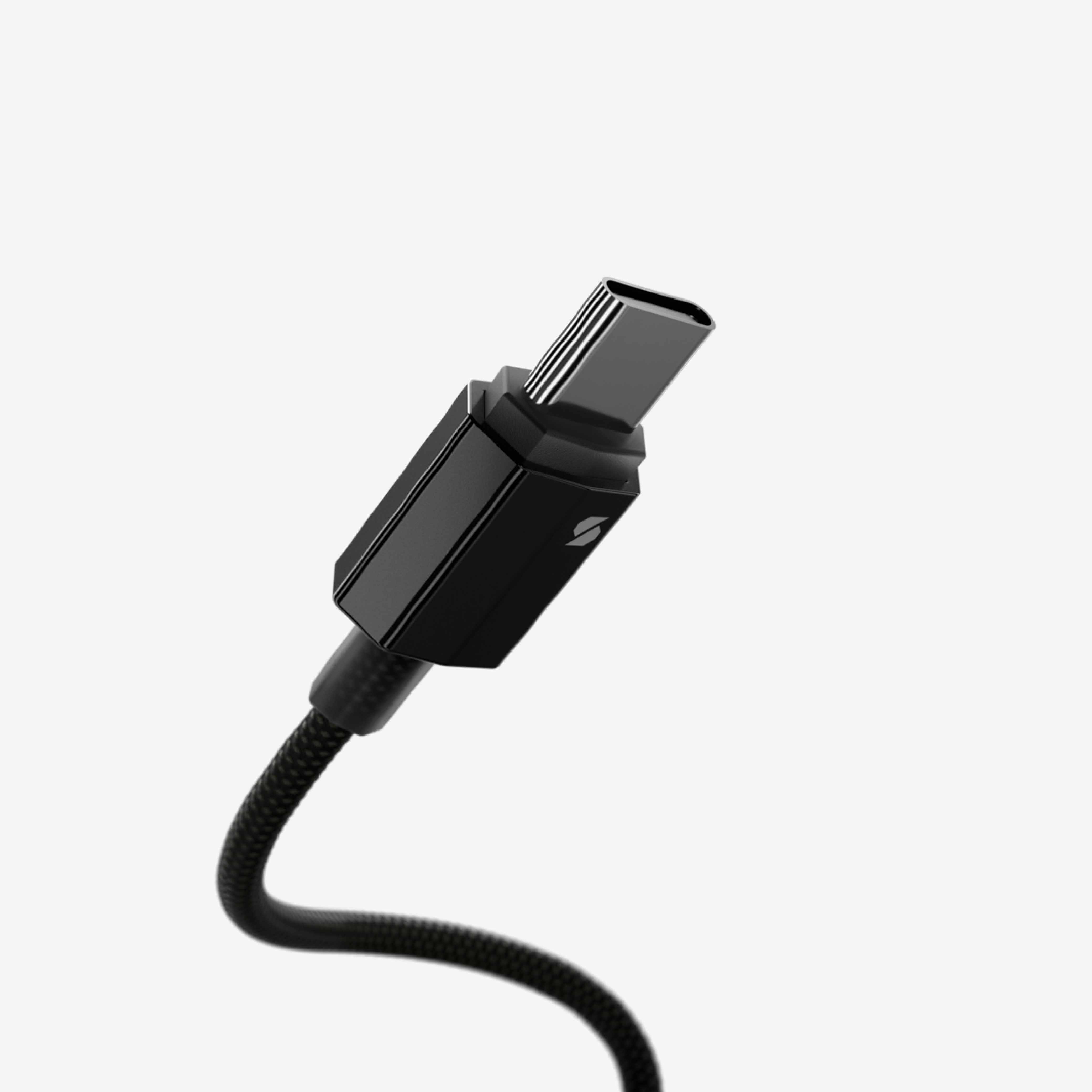
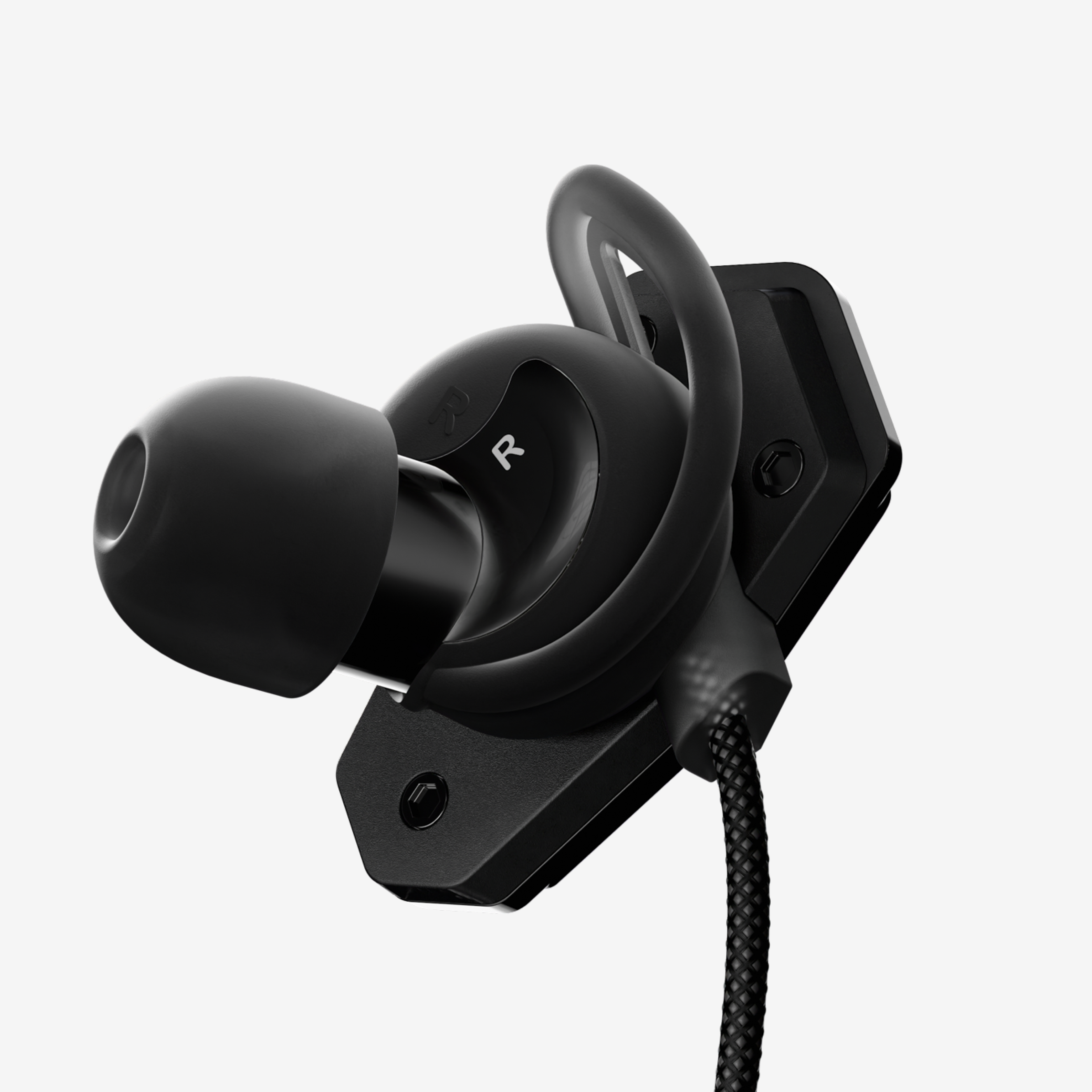
As fast and lossless as we designed our wireless protocols to be, wired typically offers a leaner, and more direct path from digital to analog. Hence, our foray back into the world of wired with SANWEAR-HARDWIRE and our inclusion of an advanced DAC in the Audio Cortex.
Fewer transmission layers mean fewer opportunities for interferences, and shifts in encoding, decoding, and latency. Wireless systems add at least one more layer of additional processing before that one final conversion from analog to digital. Because once the digital signal crosses over into the analog world of the driver, that’s the end of the line; everything that you hear has already been determined upstream.
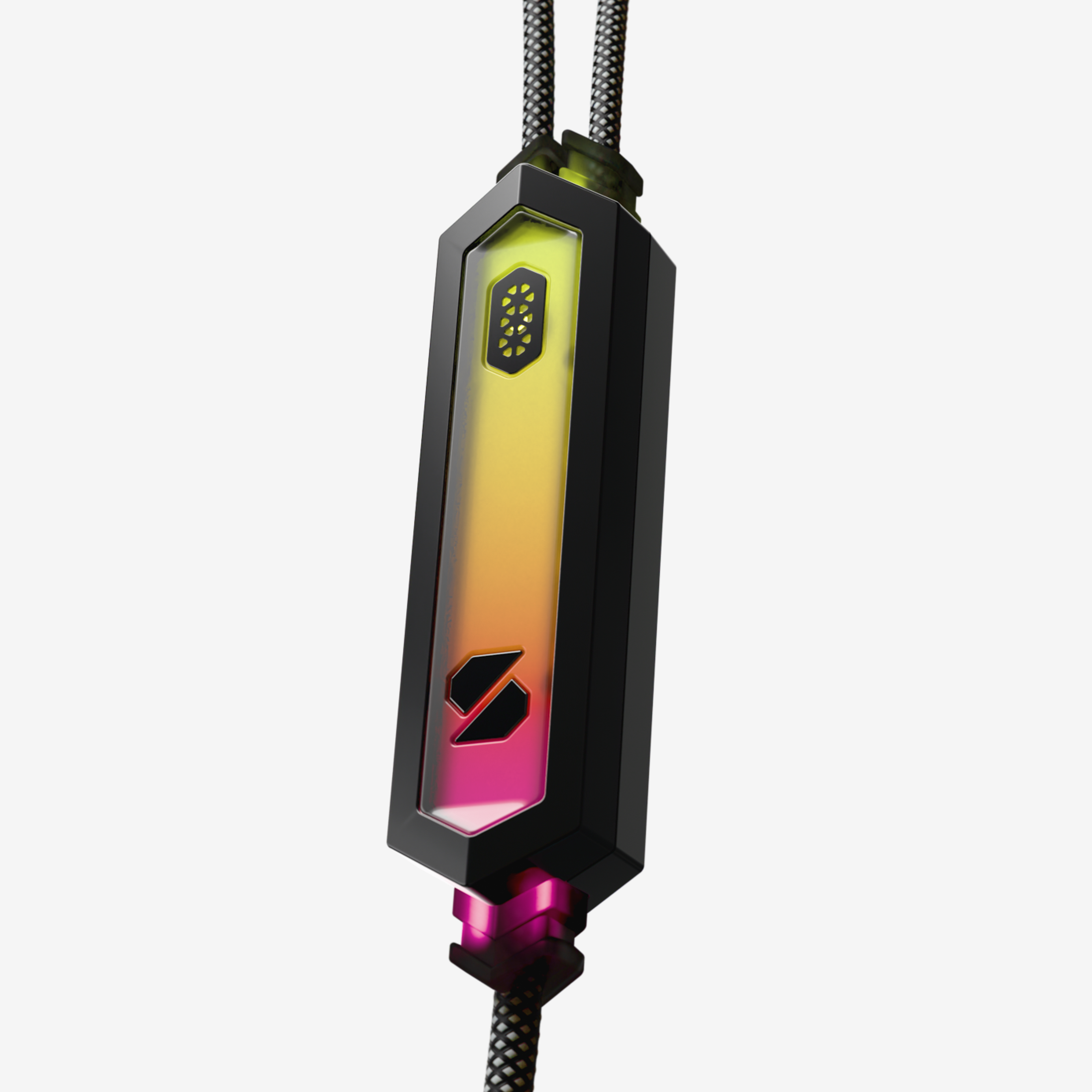
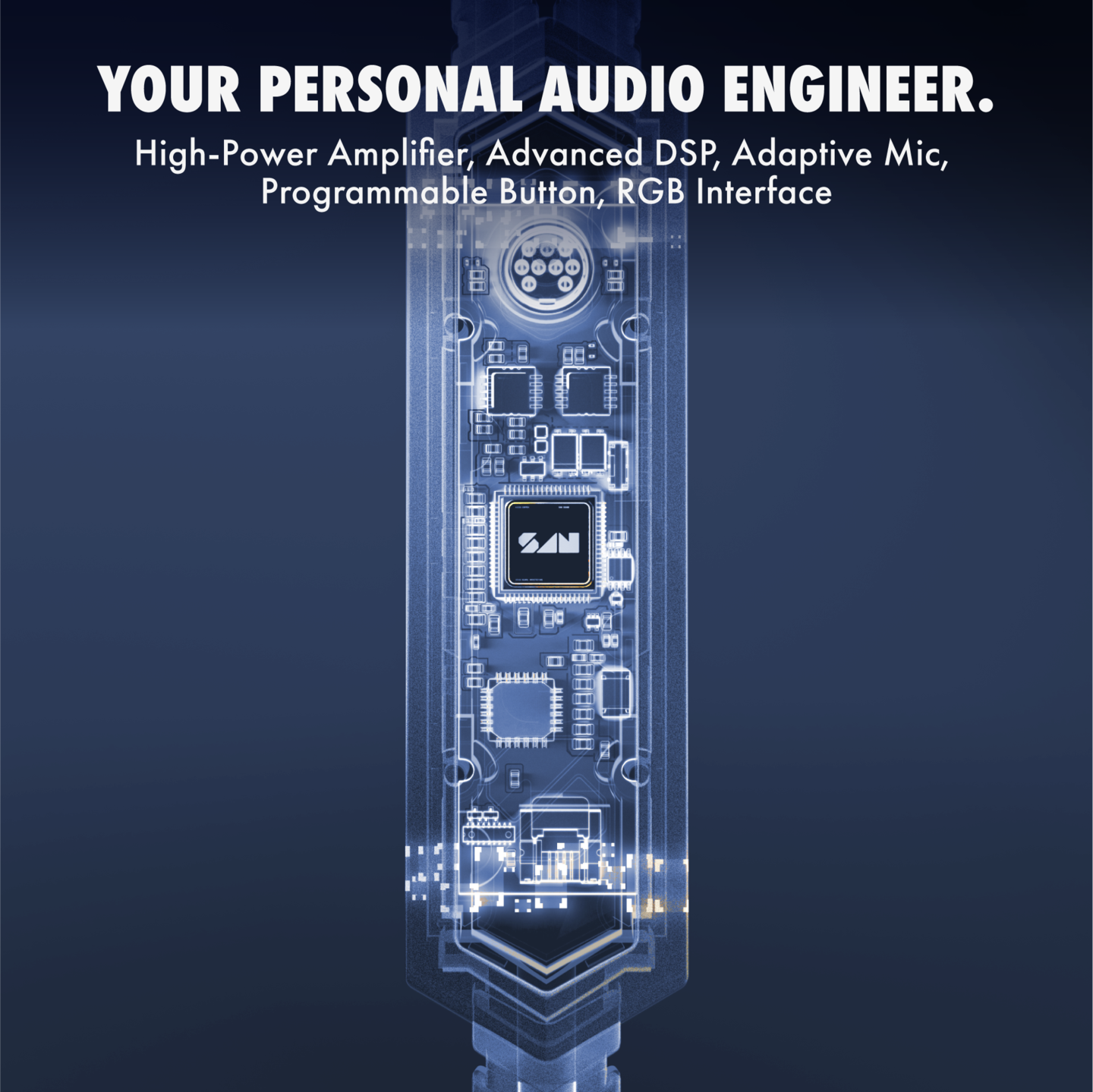
This is why we made the Audio Cortex central to the architecture of SANWEAR-HARDWIRE. It is the assurance, both yours and ours, that sound signals can be processed as cleanly and effectively as possible. By controlling the exact components that go into the sound processing chain both in the hardware and software level, we can deliver premium spatial fidelity without resorting to post-processing algorithms that interfere with the driver’s ability to perform at optimal levels.
 All audio these days is digital until it finally isn’t. Oftentimes, the things that make up a sound's greatness, its sense of space, and the realness that awaken our deepest emotions, are no longer bound by the medium we choose, but by how much we can preserve that fidelity.
SANWEAR-HARDWIRE is AVAILABLE NOW for $99
Learn why gamers and audiophiles are choosing SANWEAR's gaming earbuds over traditional headsets.
Explore The New Baseline | Discover Hyper Reality Audio
//END TRANSMISSION//




Share:
HARDWIRE x Soundscape: Audio That Evolves
SANWEAR-HARDWIRE: v1.0 Release Notes