


It’s nearing dawn and you’re hours into ranked matches, but none of that matters. Focus is strong and reaction time’s still on point, and your eyes aren’t even tired.
Except for one glaring problem: your headset.
The clamping pressure on the side of your head, giving you headaches. The trapped heat beneath the tightly-sealed earcups, building up sweat and heat that distract you. The weight, digging on the top of your head and straining your neck.
All of these are real problems over-ear headphone users experience regularly.
Collectively, these are classified as ‘headset fatigue’.
For too long, both the industry and its customers accepted this as the "price of good audio"; you weren’t supposed to enjoy them without paying your dues first.
These beliefs and assumptions are fundamentally flawed. By tolerating these pains, users forego both personal comfort and the enjoyment of their listening experiences, especially during long sessions.
While you could listen to music one album at a time, gaming, as we all know, requires a lot more.
In this post, we explore why gaming earbuds have definitively won the comfort war, offering a superior ergonomic profile that grants benefits not only for the user’s comfort, but also competitive staying power.
The Inherent Design Flaw
The core of the issue in traditional headsets is inherent in its design. To maintain stability and acoustic seal, the device relies on tension derived from a spring-tensioned headband. This applies a constant clamping force across the skull, pressing firmly against the temples and upper jaw. While negligible at first, this pressure quickly compounds and becomes a notable distraction, forcing the user to take breaks not from mental fatigue, but due to physical pain.
This design dates back over a century, made by Daniel Baldwin for use by the U.S. Navy. Yet modern headsets are still built on this one-size-fits-most design that wasn’t originally intended to be used outside of warships or workstations.

The clamping force remains constant, regardless of the user's specific head dimension.
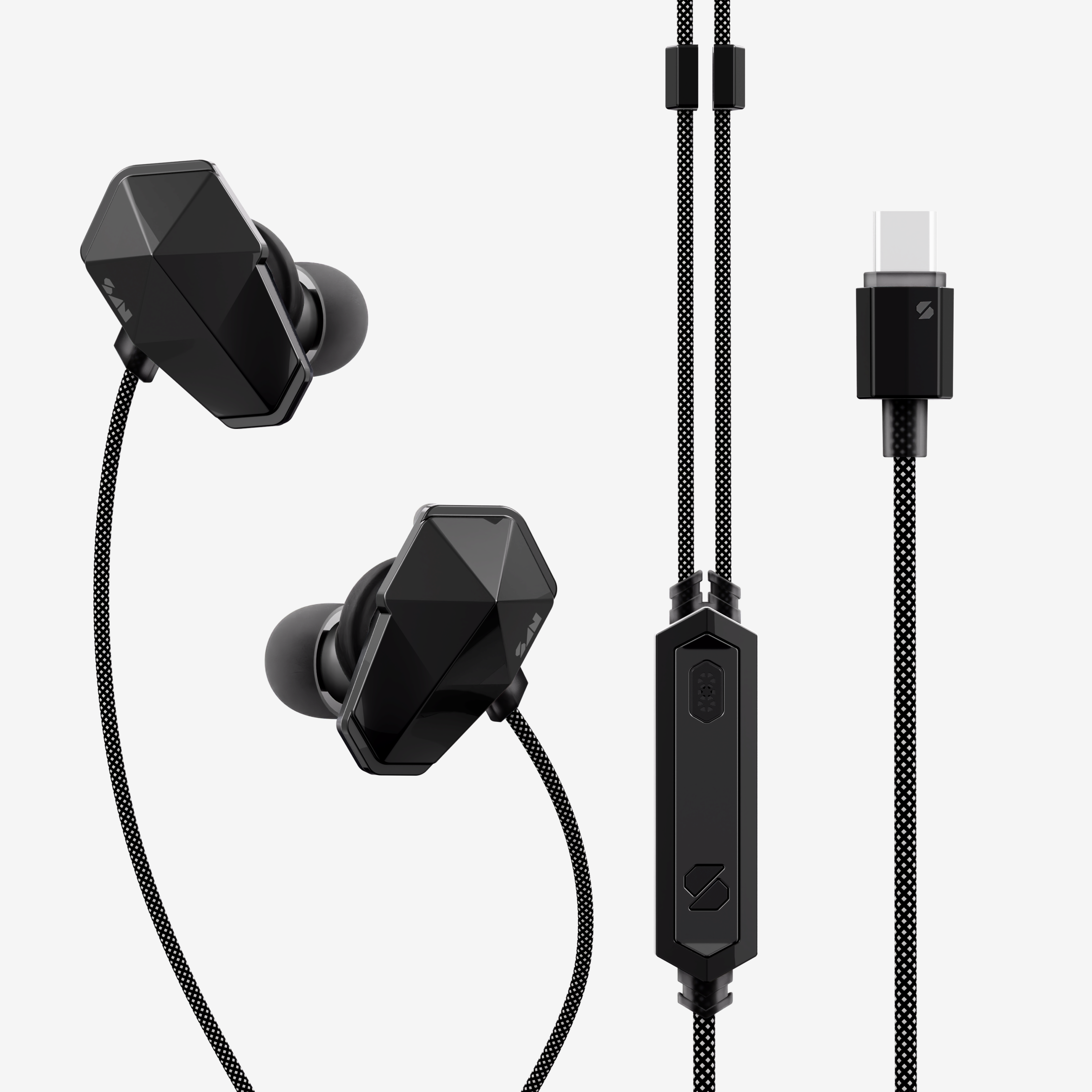
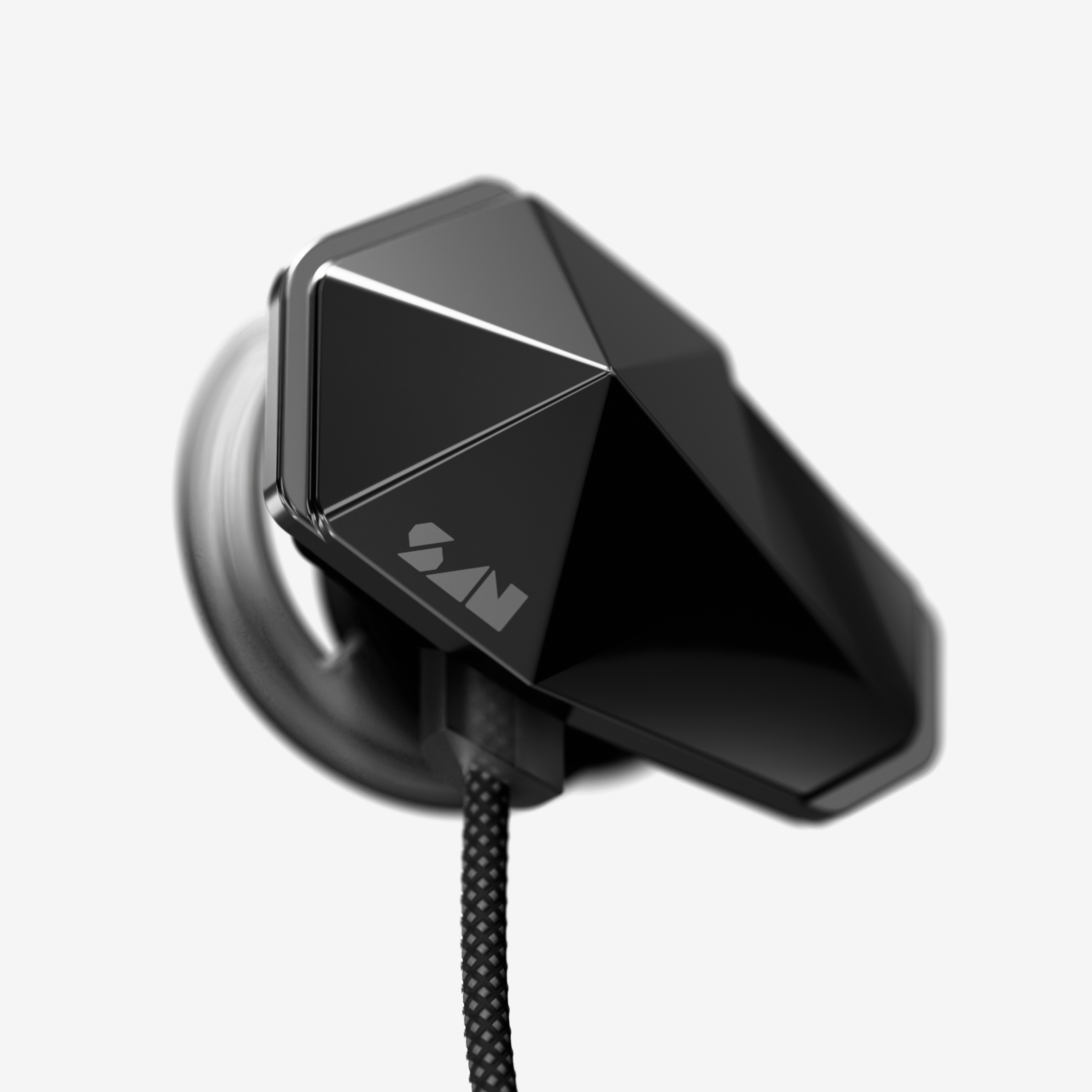
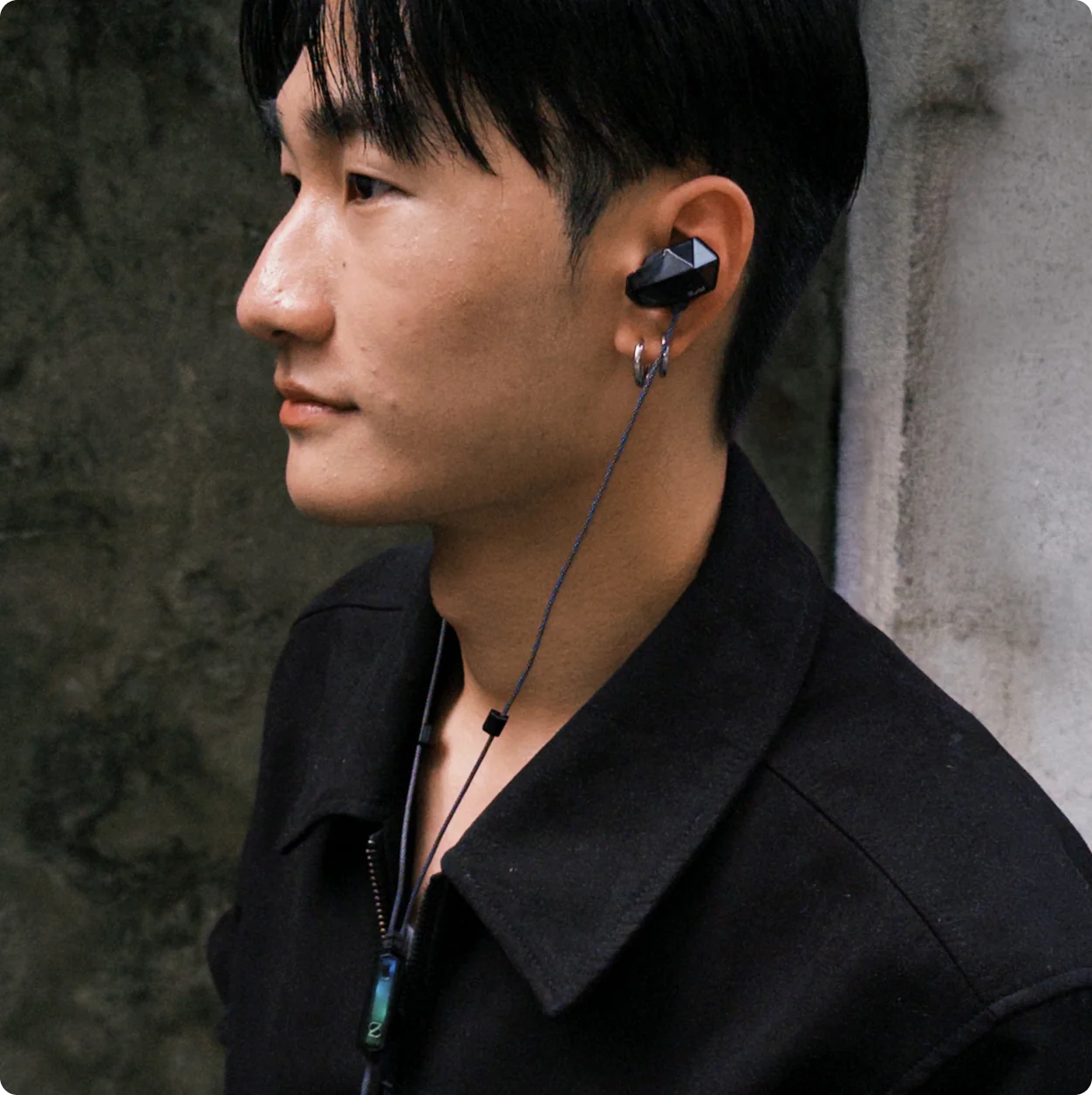
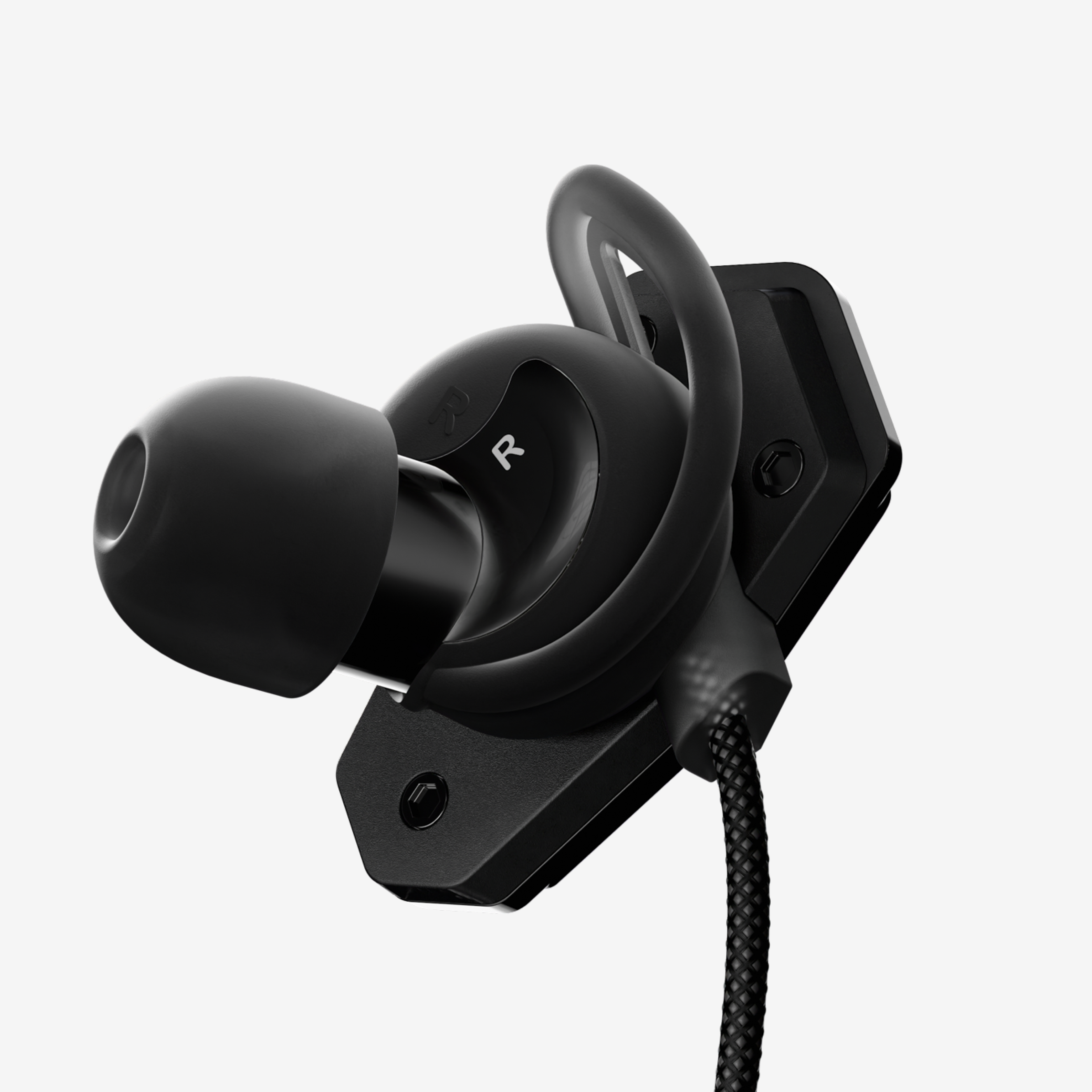
Earbuds have solved this by eliminating the clamping force entirely. By design, they do not rely on head tension but instead on resting snugly within the ear canal, creating the seal necessary that ensures that the sound quality is high and the device is secure.
There is no headband to apply pressure to the head, and no neck pains can be had as they weigh only a few grams. Earbuds are also beneficial for users who wear glasses as headsets force the frame arms to press into the temple while earbuds allow glasses to be used unrestricted.
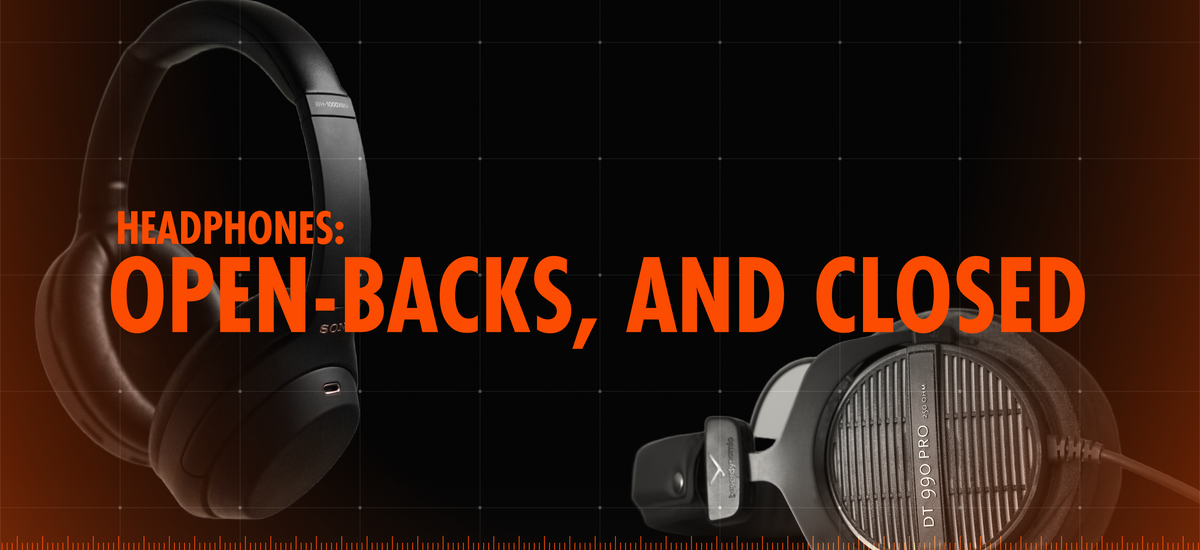
Furthermore, heat and sweat management of traditional headsets is severely inadequate. Closed-back headphones are designed to create an acoustic seal, which enhances sound isolation and bass response. However, this same seal traps heat and moisture, turning the device into a self-contained chamber. Within minutes, the dampness and heat can quickly buildup, and subsequently spiral into full discomfort.
Earbuds bypass this issue by not enclosing the ear at all, leaving the rest of the ear well-ventilated. As a result, users can engage in longer gaming sessions with greater ease.
Precision Fit: A Necessity
Despite its strengths over traditional headphones, an earbud’s comfort relies heavily on perfect ergonomic fit. Early designs led to the common misconception that earbuds are inherently uncomfortable or prone to falling out. This was not a failure of the tech or the design, but rather, a failure of manufacturers to provide customers high quality and ergonomically-sound products given that earphones were seen as “the backup”.
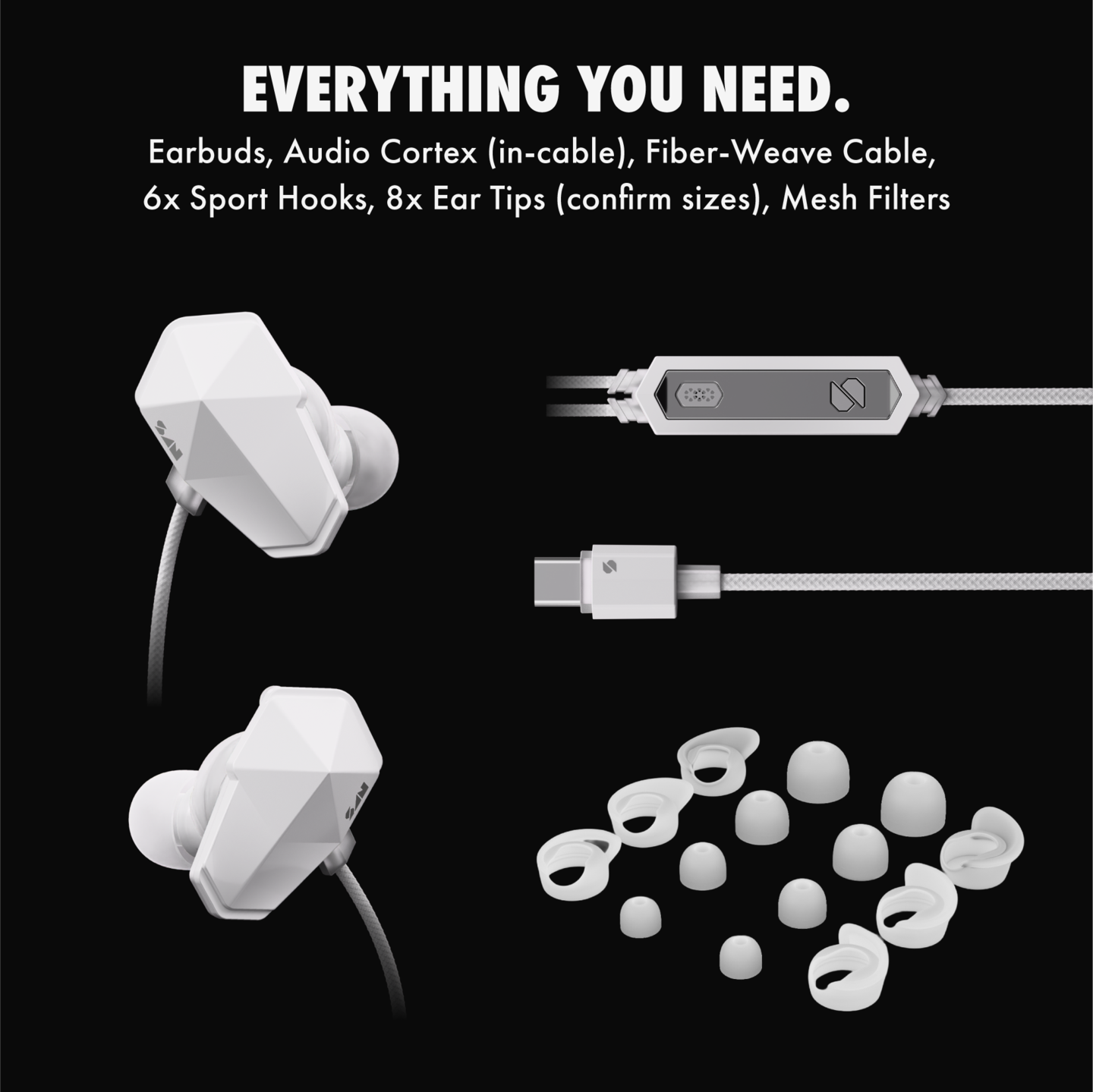
A precise fit enhances bass depth and sharpens spatial audio imaging through a combination of a controlled acoustic chamber and passive noise isolation. With SANWEAR’s precision fit, sound is delivered as intended and you can forget you’re wearing them at all, allowing you to focus entirely on the game.
Comfort Is an Advantage, Discomfort Is a Disruptor
As the brain reallocates mental bandwidth to manage pain, heat, and the need to constantly adjust the headset, your focus significantly diminishes over time. This distraction directly impacts your performance: slower reaction times, sub-optimal decision-making, and a reduction in your endurance.
Comfort is not simply a luxury. It is a competitive advantage that most gamers often overlook in favor of framerates and fast-twitch reflexes.
When the audio equipment requires none of your attention, your brain is free to dedicate 100% of its capacity to the game. This is why professional esports athletes and organizations invest heavily in ergonomics.
At SAN Sound, ergonomics and fit are integral to the central design philosophy of SANWEAR. We learned early on that the quality of the audio, not just comfort, is dictated by the quality of the seal. A poor fit creates an imperfect seal, which allows sound to escape, and outside noise to intrude. Sound quality is then compromised, along with a degraded bass response and imprecise spatial cues.

At the highest levels of gaming, eliminating even a one percent distraction can be the difference between a preventable loss and a decisive victory.
SANWEAR-HARDWIRE is AVAILABLE NOW for $99
Ready to explore sound performance that doesn’t compromise comfort?
Experience SANWEAR | Discover Holographic Audio
//END TRANSMISSION//


共有:
持ち運びやすさのパワー:Elite Audioはポケットに収まる(そして収まるべきだ)
Do Earbuds Really Sound as Good as Headsets?