

Abstract
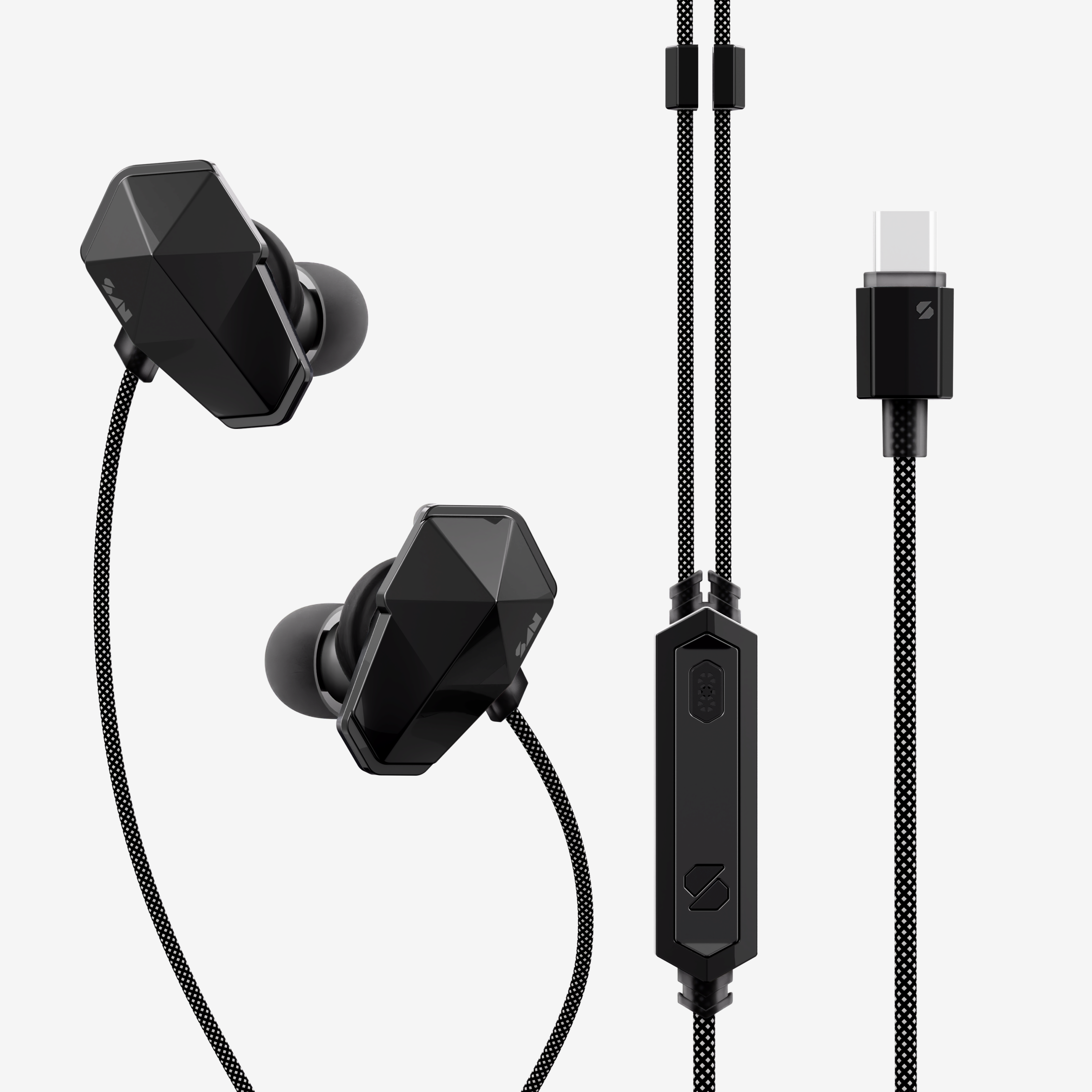
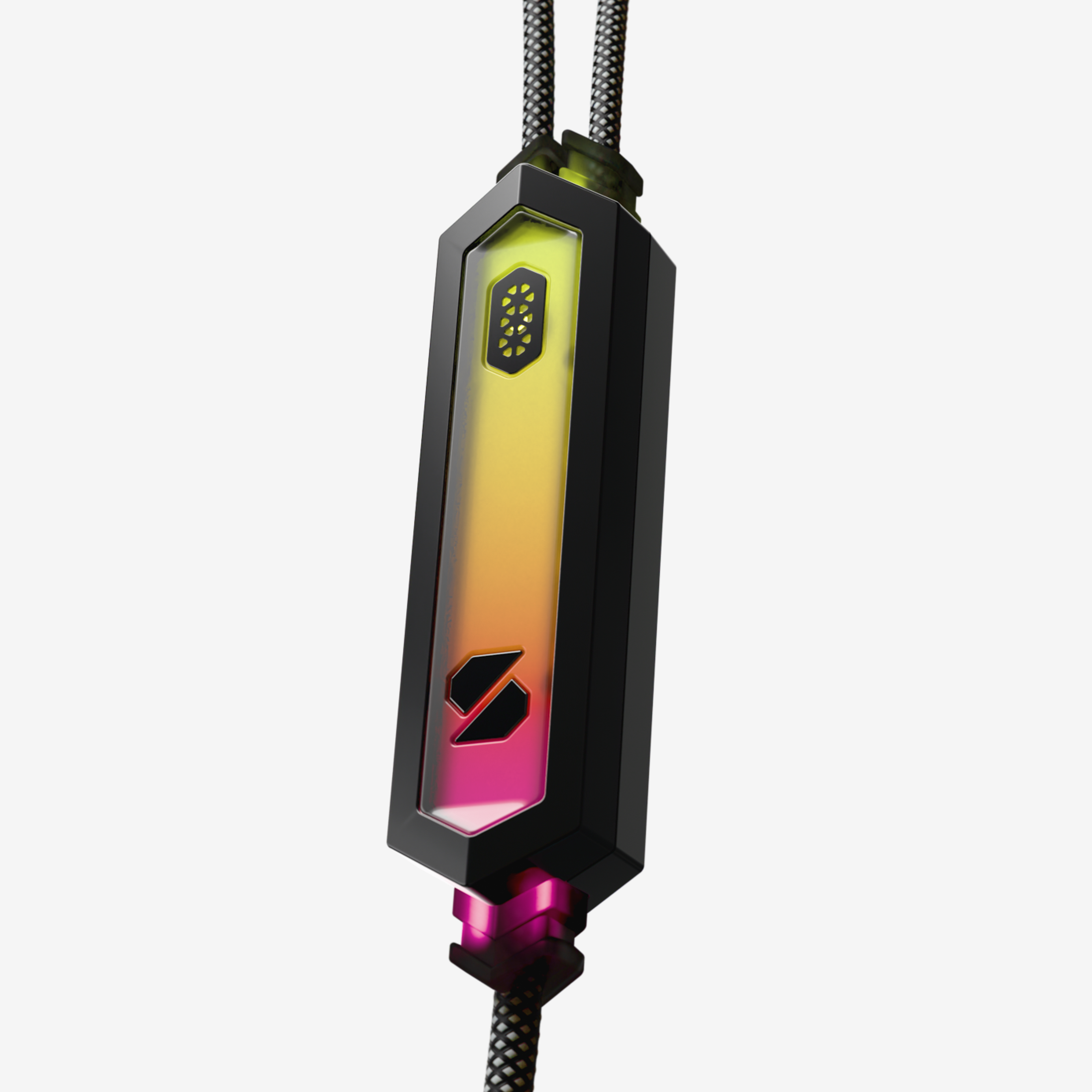
In this case study, we analyze the benefits of the Audio Cortex, SAN Sound’s proprietary headphone-based approach to the audio chain. Rather than relying on the output device’s built-in audio protocol like most headphones, the Audio Cortex is a small in-line unit built directly into the cable of SANWEAR-HARDWIRE utilizing a high-fidelity digital-to-analog converter and amplifier (DAC/AMP). From our analysis of the specifications of the Audio Cortex’s chip architecture against benchmarks of common audio chips, converters, and dedicated external DAC/AMPS, we find that the Audio Cortex has three key benefits:
-
High-Fidelity Performance
-
Optimization for HARDWIRE architecture
-
Cross-device consistency
1. Key Problems
-
What are the benefits of the SANWEAR Audio Cortex against common audio chips, codecs, and converters?
-
How does off-loading the digital audio conversion, amplification, and signal processing from the output device onto a headphone-based unit improve audio performance?
2. Methodology
To test the benefits of the Audio Cortex, the capabilities of the in-line Audio Cortex chipset are compared to the implementation of the Realtek ALC1220 in motherboards utilizing the AMD X570 chipset and the Apple USB-C to 3.5mm dongle [1]. These were then compared with a dedicated DAC/AMP available on the retail market, the FiiO Q11 [2], as a benchmark for the high-end of the audio signal chain. Figures in Table 1 are reflective of the strongest available figures for each comparator, giving competing devices the benefit of the doubt.
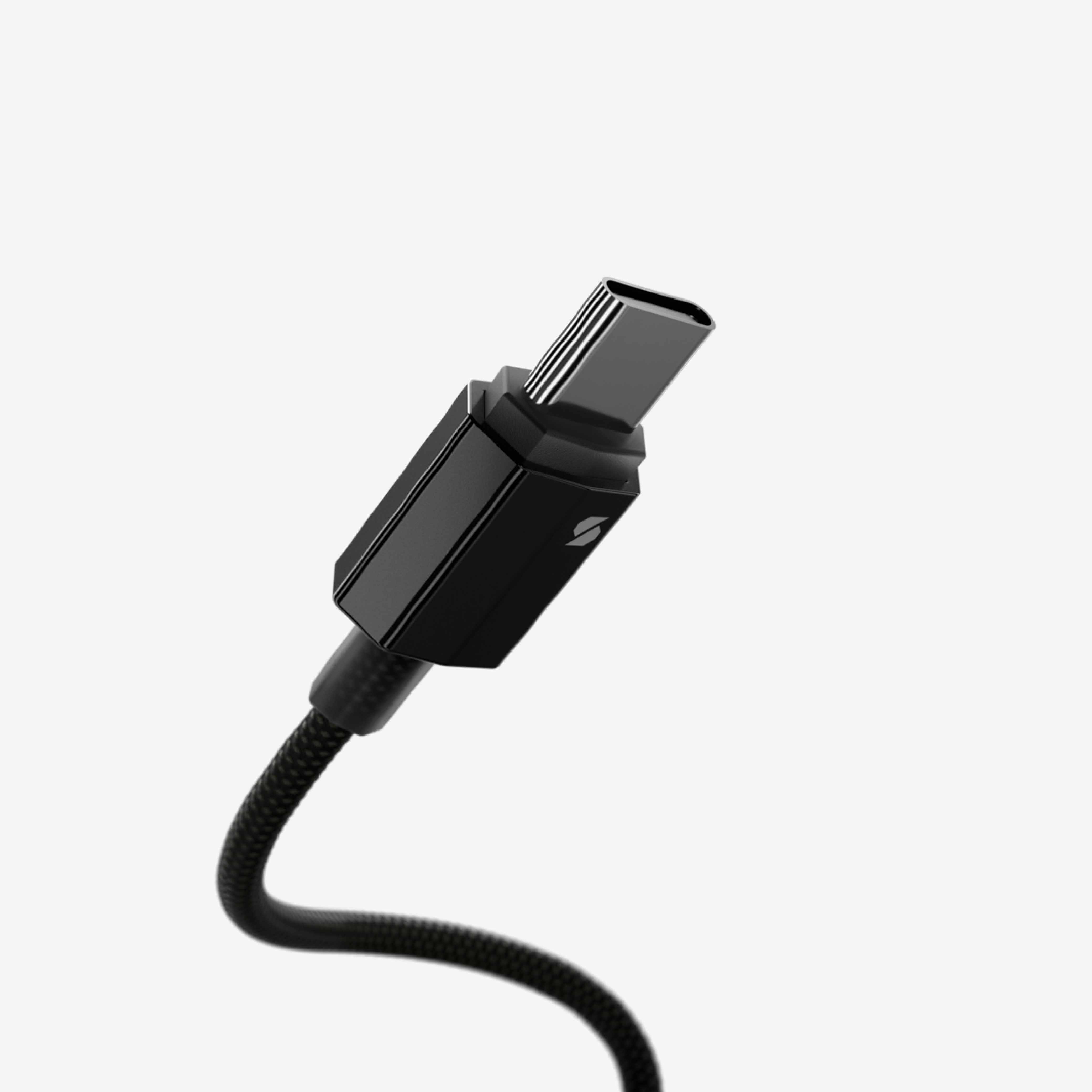
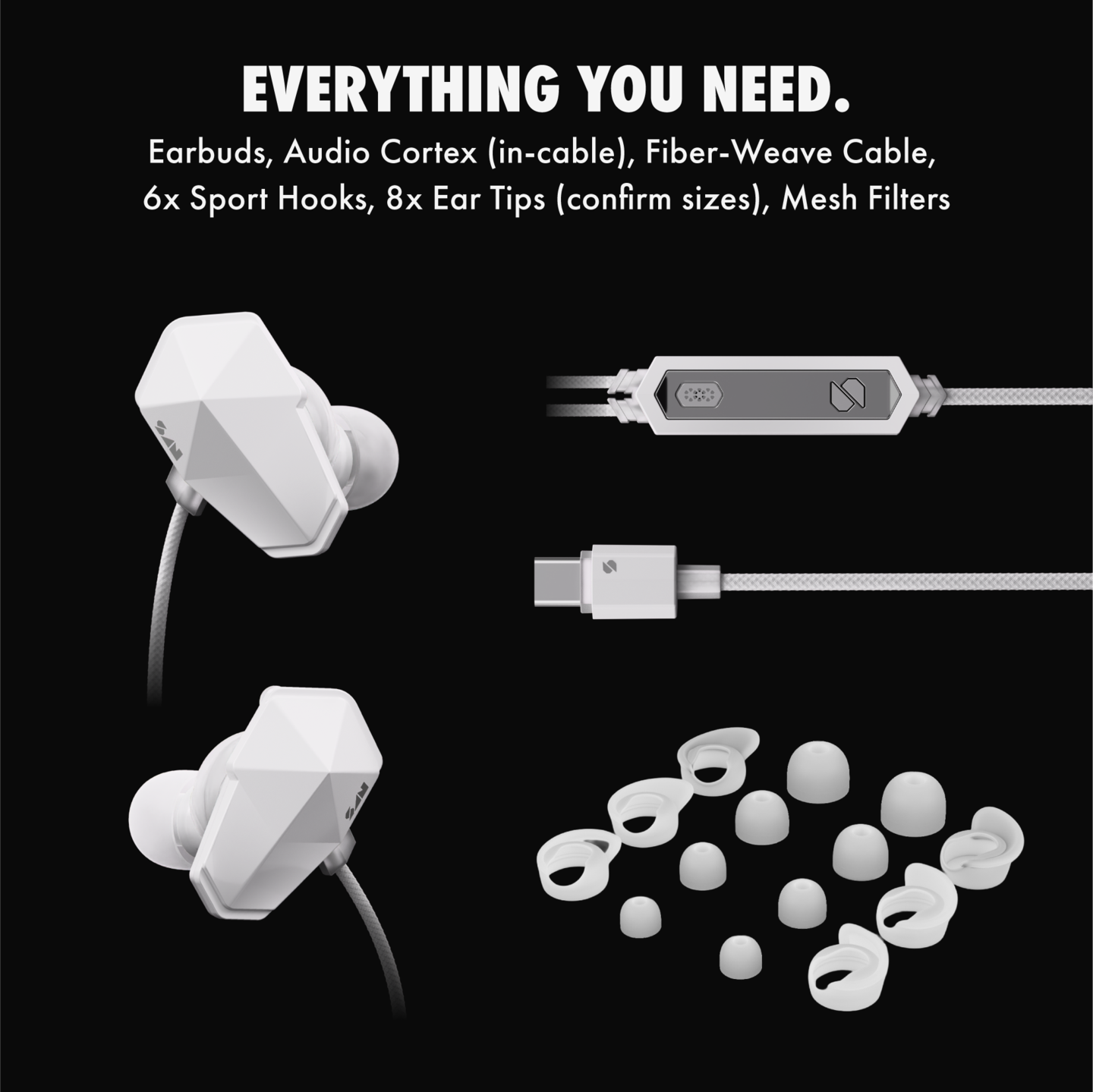
The Audio Cortex is an in-line unit built directly into the cable of the SANWEAR-HARDWIRE earbuds, and it connects directly to the output device via USB-C. Because no independent measurements of the finished HARDWIRE unit currently exist, the Audio Cortex specifications in Table 1 are derated estimates based on official manufacturer benchmarks and datasheets. These specifications are bound by ‘weakest link’ rules, derating rather than citing component-level datasheet maximums to most represent losses observed in comparable DAC/AMP designs and more honestly reflect the actual performance of the device.
The Realtek ALC1220 are mid/high-end audio chips implemented in the popular AMD X570 chipset. This chip was chosen because of the availability of measurements and the popularity of the motherboards they come attached to.
The Apple USB-C to 3.5mm dongle was chosen as the most common external digital-to-analog converter that has been extensively tested and benchmarked. This dongle is widely considered an industry standard, making it an ideal comparison to the Audio Cortex, which performs a similar external conversion. The benchmarks of this device are based on community testing.
The FiiO Q11 is a battery-powered, portable, high-performance DAC/AMP built for the audiophile market. This device was chosen because it is a well-reviewed and common portable DAC/AMP from a highly reputable audio device manufacturer that fulfills a similar purpose to the Audio Cortex within a somewhat similar price range. Device specifications are sourced directly from FiiO’s website.
These chipsets are compared on the following metrics:
-
Total harmonic distortion + Noise (THD + N): The lower the THD + N, the cleaner and more accurate the signal is with less distortion and hiss. Measured in decibels (dB) rather than percentage for readability and to better reflect the logarithmic nature of noise [3].
-
Output power (peak): Higher power gives the system greater dynamic headroom producing clearer transients, a more dynamic soundstage, and low clipping at higher volumes. Measured in milliwatts (mW).
-
Digital signal processing capability
-
Driver-specific design
The measurements compared are chosen according to the AES Standard AES17-2020: AES standard method for digital audio engineering - Measurement of digital audio equipment [4] to represent the most salient metrics for audio fidelity, user experience, and spatial audio performance.
3. Results
Table 1. Comparison of the selected systems under a 32 Ohm load
|
Measurement |
Audio Cortex DAC/AMP* |
Realtek ALC1220 |
Apple 3.5mm to USB-C Dongle |
FiiO Q11** |
|
THD+N (dB) |
~-90 dB (0.00316%) |
-86.4 dB (0.0048%) (Measured on ASRock X570 Taichi Razer Edition [5]) |
-98 dB (0.00126%) |
-104 dB (0.00063%) |
|
Output power (mW) |
142 mW |
6.2 mW (Measured on GIGABYTE X570 Aorus Elite [6]) |
~ 31 mW |
165 mW |
|
Digital signal processing (Yes/No) |
Yes |
Yes (Basic) |
No (Fixed volume) |
No (Analog gain) |
|
Driver-specific design (Yes/No) |
Yes |
No (Generic output) |
No (Generic output) |
No (Generic output) |
|
Price (USD) |
$99*** |
$150-250**** |
$9.99 |
$89.99 |
* Derived by applying ‘weakest link’ derating to component-level datasheet maximums
** 3.5mm measurements
*** Includes whole HARDWIRE earbud unit
**** Not available as a standalone unit, price reflects the price range of boards featuring this chip.
4. In Practice
The Audio Cortex offers key performance benefits over both the device-based audio codec and external dongle, comparable to the dedicated external audiophile-grade DAC/AMP. In addition, the Audio Cortex provides additional improvements over the other solutions through DSP and driver-specific optimization.
1. High-Fidelity Performance
The first measurement is HARDWIRE’s approximately -90 dB THD+N, compared to the -86.4 dB of the ALC1220, -98 dB of the Apple dongle and -104 dB of the FiiO Q11. The lower the THD+N the better. Unsurprisingly, the best performing device in this range is the FiiO Q11, with a surprising second best for the Apple dongle. However, that is not the whole story.
While the difference between the Audio Cortex, the Apple dongle, and the FiiO Q11 is measurable by machines, the psychoacoustic reality is that any THD+N below -60 dB (0.1%) is generally considered imperceptible [7]. Therefore, the difference between -90 dB and -104 dB is negligible. Additionally, the Audio Cortex’s on-board DSP is able to correct for any acoustic flaws introduced by the host device.
The second metric is the Audio Cortex’s peak power. The power output of the Audio Cortex is 4.6x that of the Apple dongle, 22.9x greater than the Realtek chip, and only marginally lower than the output of the FiiO Q11. This translates to greater dynamic headroom and responsive transients that demand more power from the device. Larger power headroom also keeps the signal unclipped and results in an expansive soundstage as each signal and channel can be driven with sufficient power.
2. Optimization for HARDWIRE architecture
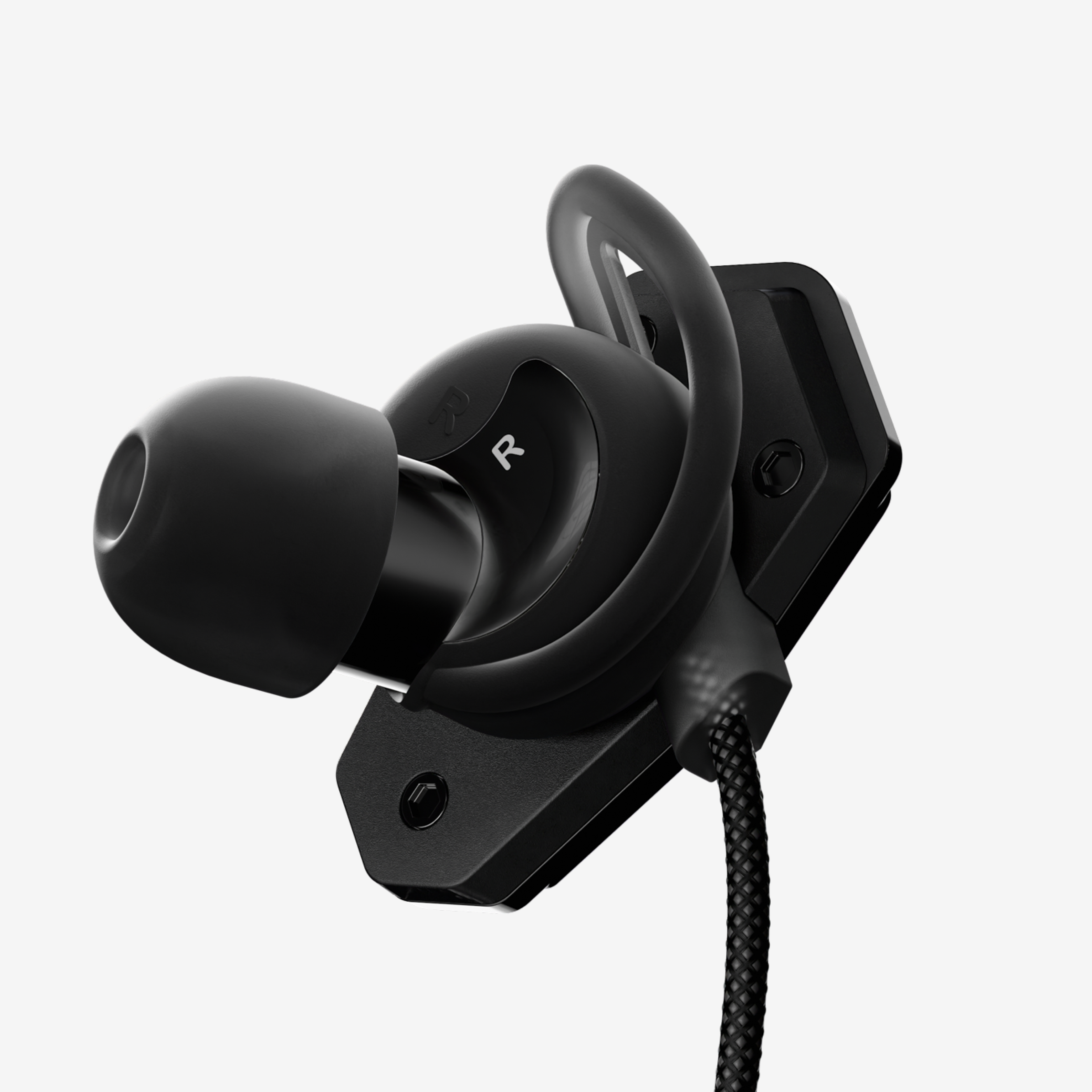
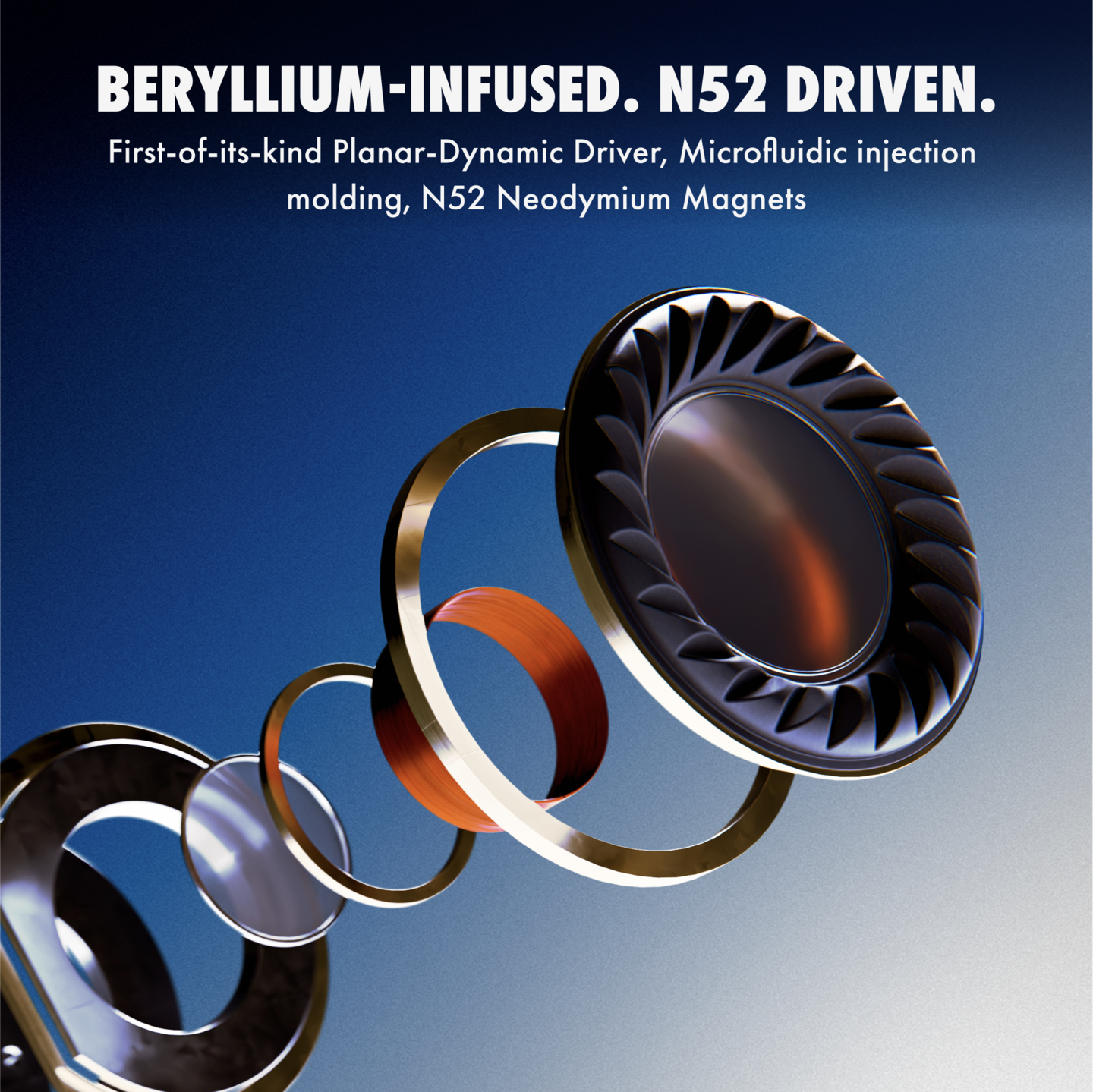
Another point of separation between the Audio Cortex and other devices is the powerful DSP. The only other device in the comparison that has DSP is the Realtek ALC1220, which is bound to the host device. The Realtek’s DSP is built for maximum compatibility, able to handle all headphones, speakers, earbuds, and other audio devices. The Audio Cortex, however, is highly specialized, dedicated, and built for the custom-built Planar-Dynamic driver architecture of HARDWIRE.
This is where the Audio Cortex has a distinct advantage over other approaches. While other power/converter solutions need to account for a huge range of devices, their output is generic and unoptimized to the drivers and other factors of the output. Because the Audio Cortex is built directly into the HARDWIRE system, it can provide optimized performance, similar to the audiophile-grade DAC/AMPs, but with vastly increased portability. Additionally, these external DAC/AMPs often provide significantly more power than necessary to power in-ear monitors and portable headphones; the Audio Cortex is built specifically for HARDWIRE’s Planar-Dynamic Drivers, catering to the driver system’s specific needs and optimizing power consumption.
3. Cross-device consistency
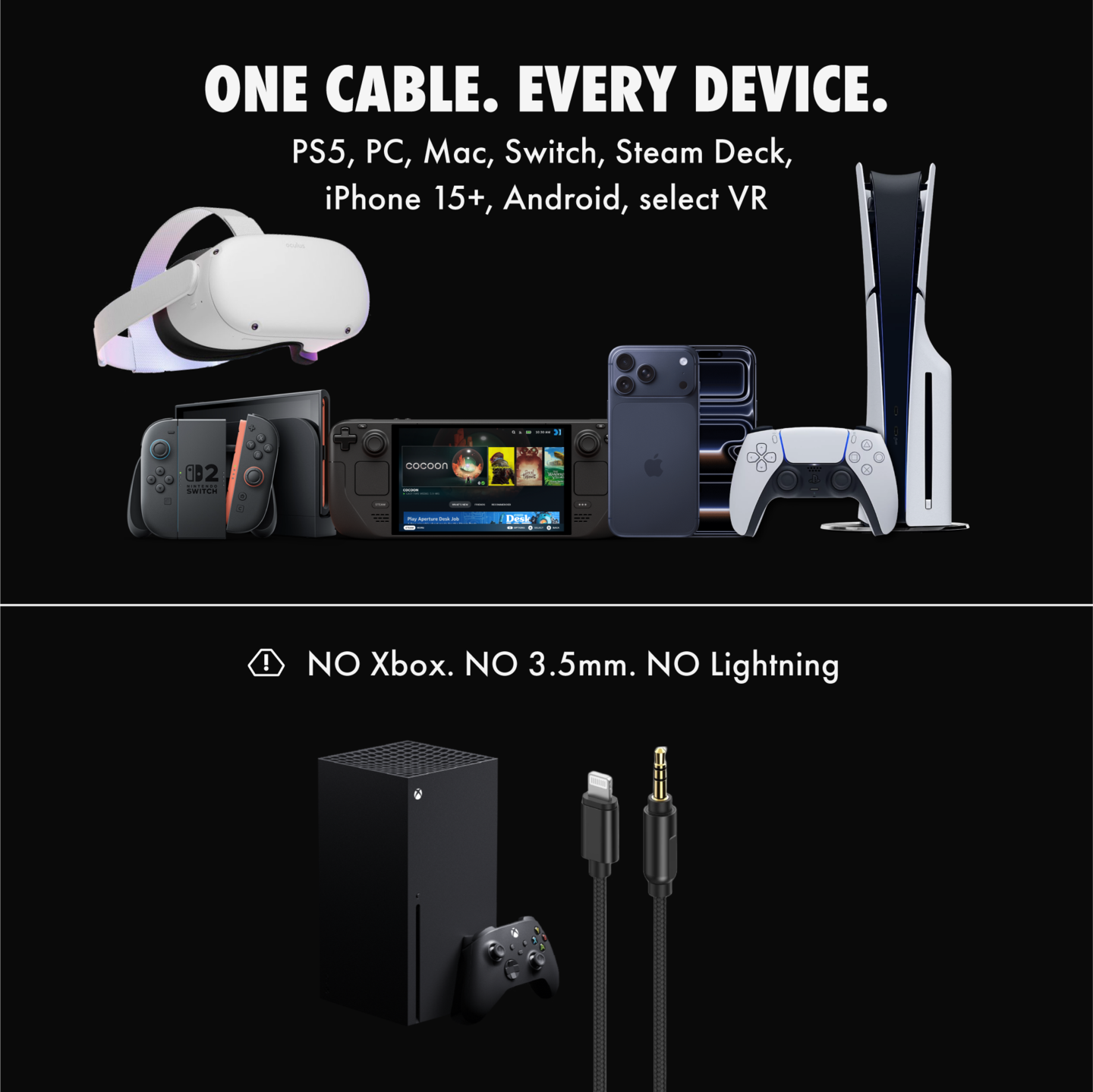
The Audio Cortex bypasses the host device’s analog headphone stage, taking the digital audio signal, processing it, converting it to analog, and finally passing it through the dedicated amplifier. This means that no matter what device is used, the audio quality remains the same, e.g., if the SANWEAR-HARDWIRE with the Audio Cortex is plugged into a device with the Realtek ALC1220, the SANWEAR-HARDWIRE will use the Audio Cortex’s optimized specifications rather than those of the Realtek ALC1220. There are also many inconsistencies between motherboards. For example, the figure for THD+N chosen in Table 1 reflects the lowest number found in our research, but some measurements of similar chips provide significantly worse results, (e.g., -66.7 dB THD+N for the ALC1220-VB in the Gigabyte X570s Aorus Master, a purported upgrade to the base ALC1220 [8]). Motherboards often even have inconsistencies between the front and back 3.5mm outputs, with most motherboards offering more power to one or the other [6].
There is an additional benefit when compared to the Apple Dongle and on-board processing: additional/consistent output power. As specified above, consistent power means no audio clipping, better handling of transients, and improved dynamics. Under heavy processing loads, some poorly optimized motherboard components may use additional computing power, degrading audio quality [9]. The Audio Cortex, on the other hand, always guarantees the same audio quality, bypassing that unreliability.
Additionally, while the on-board codec and dongles are completely dependent on individual device capability, the Audio Cortex’s compatibility with SAN’s Soundscape application [10] allows the user to customize their sound preferences and store these settings in the Audio Cortex’s memory. This allows the user to maintain their preferred audio profile across all devices, regardless of individual device/app’s EQ capability (which is often limited. Apple Music, for example, does not allow any fine-tuning of EQ, just overall sound profiles). Similar capability is offered by the FiiO Q11, but this requires an entire bulky external unit, whereas the Audio Cortex is a small, portable unit built directly into the earbud cable.
5. Limitations
As noted in the methodology, the key limitation of this case study is differences in measurement. While FiiO Q11 specifications are taken directly from manufacturer documents, Apple dongle and Realtek specifications are taken from user measurements, and the specifications of the Audio Cortex are based on the specifications of the digital-to-analog converter and amplifier chips and not based on measurements of the final HARDWIRE unit itself.
In the Audio Cortex’s case, reporting of manufacturer specifications is a frequent tool used to dishonestly report the performance of the device under ideal conditions rather than as part of a system. This is accounted for in the study by applying key ‘weakest link’ limits to the specifications to more accurately reflect the capabilities of the final device and avoid dishonest reporting and comparisons. See Table 1 footnotes for numbers affected.
6. Conclusion
To summarize, the Audio Cortex performs equal to or better than two of the most common audio codecs and chips on the market, and comparably with the dedicated audiophile-grade external DAC/AMP. For the end user, this means that the Audio Cortex, as an integrated part of SANWEAR-HARDWIRE, can provide a comparable listening experience to headphones with external DAC/AMP units, while also providing several additional key benefits, including convenience, cross-device consistency, and optimization, at no additional cost to the end user.
Sources
[1] Amirm. (2018). Audio Science Review measurement of Apple USB-C to 3.5mm dongle:
[2] FiiO Q11: https://www.fiio.com/q11
[3] Siau, J. (2018). Benchmark Media: https://benchmarkmedia.com/blogs/application_notes/interpreting-thd-measurements-think-db-not-percent
[4] Audio Engineering Society. (2020). AES17-2020: https://aes.org/standards-store/?id=21
[5] Nate. (2021). TechPowerUp measurement of ASRock X570 Taichi Razer Edition: https://www.techpowerup.com/review/asrock-x570-taichi-razer-edition/9.html
[6] Igor’s Lab. (2019). X570 Motherboard Tests: https://www.igorslab.de/en/big-real-world-test-with-three-x570-motherboards-in-a-closed-pc-the-truth-about-voltage-regulators-fans-temperatures-and-the-onboard-sound/5/
[7] Audioholics. (2018). Total Harmonic Distortion Perceptibility: https://forums.audioholics.com/forums/threads/total-harmonic-distortion-perceptibility.110527/
[8] Vrships. (2023). Audio Science Review measurement of GIGABYTE X570s Aorus Master: https://www.audiosciencereview.com/forum/index.php?threads/incredibly-bad-alc1220-vb-headphone-out-noise-and-distortion.41460/
[9] Btarunr. (2026). TechPowerUp: https://www.techpowerup.com/350635/blame-the-plumbing-why-intel-handles-usb-onboard-audio-codecs-better-than-amd
[10] SANSOUND Soundscape app: https://sansound.com/pages/soundscape
FAQ
What is the Audio Cortex?
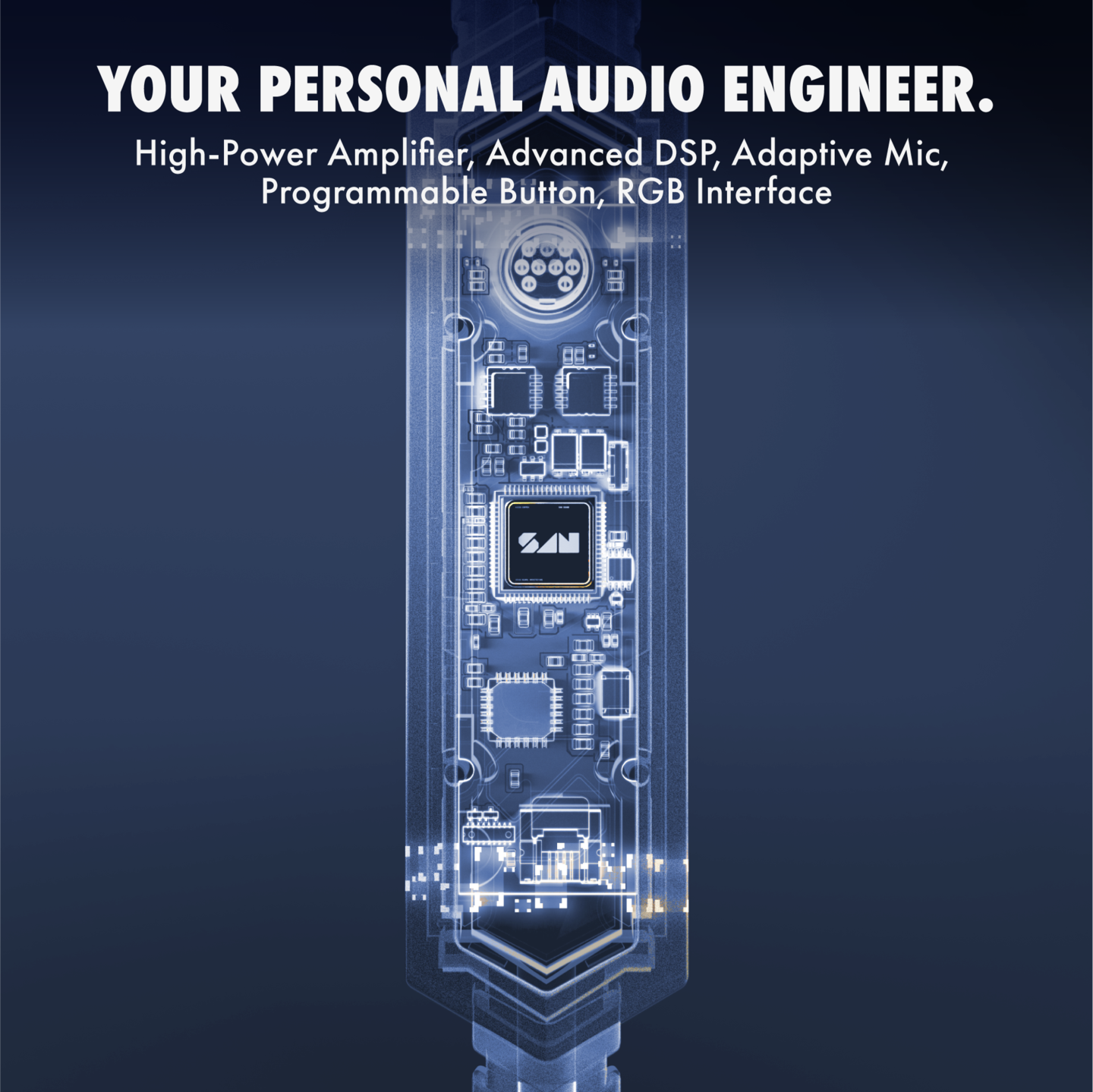
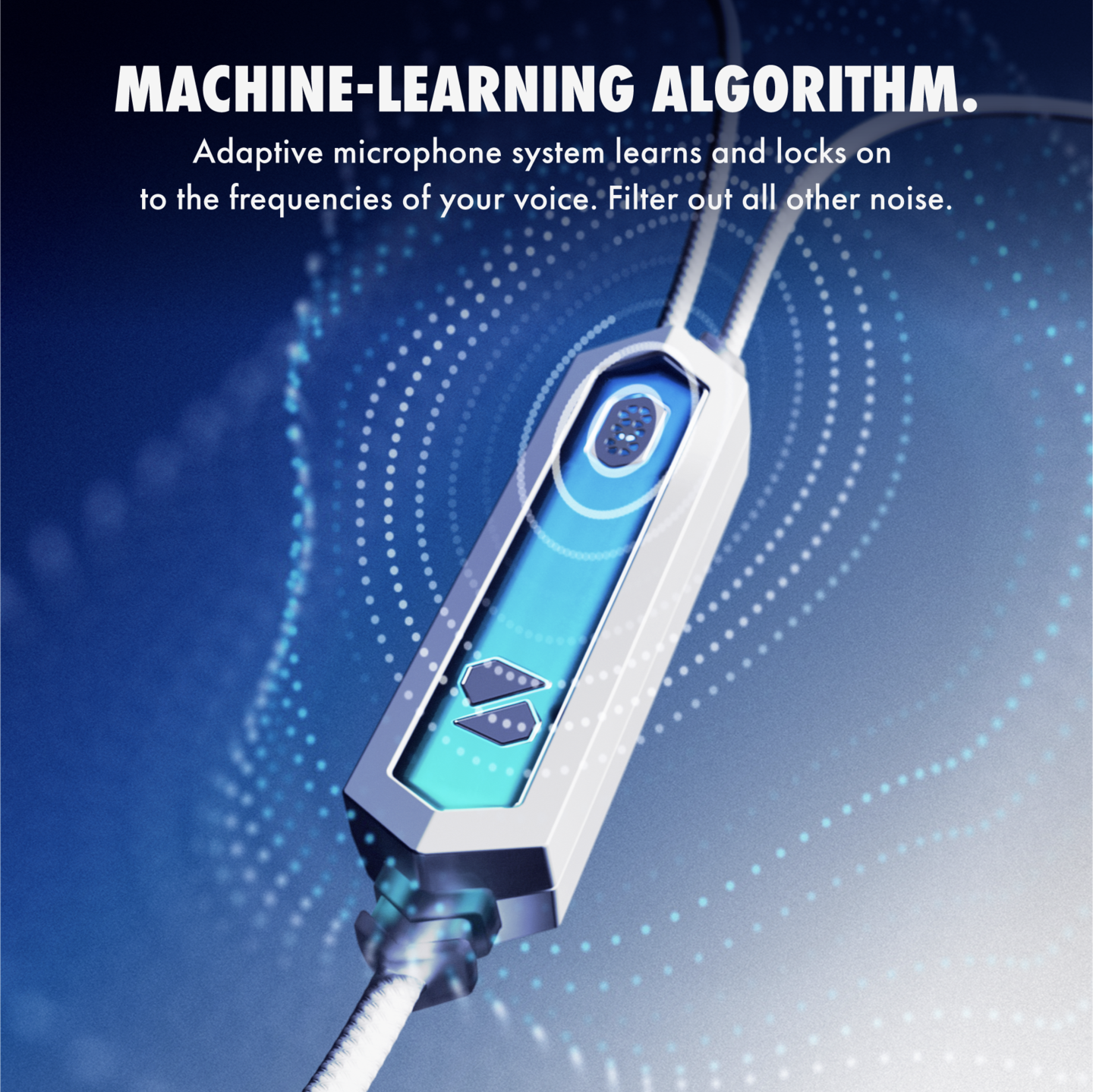
The Audio Cortex is a small in-line unit built directly into the cable of SANWEAR-HARDWIRE utilizing a high-fidelity digital-to-analog converter and amplifier, improving HARDWIRE’s audio fidelity and spatial imaging. It also contains an ENC machine learning microphone, digital signal processor, Soundscape App connectivity, programmable action button and LED interface.
What does a DAC/AMP do in earbuds and headphones?
A DAC/AMP (digital audio converter and amplifier) takes the sound signal from the computer, converts it into analog data that can be used by the earbuds and headphones, and then amplifies it using power. In devices with 3.5mm audio jacks, this is done by the device’s soundcard. Audio devices with external DACs, like those that connect via USB-C, offload the conversion from the device, which can result in clearer, less distorted audio; amps subsequently inject that signal with power for greater dynamics and sound realization. While all USB-C earbuds have a DAC, powerful amplification is typically only done by external devices. The Audio Cortex has both a high-fidelity DAC and a high-power AMP.
What are the benefits of the Audio Cortex?
The Audio Cortex has three key benefits:
-
High-Fidelity Performance
-
Optimization for HARDWIRE architecture
-
Cross-device consistency
Is the Audio Cortex better than the Apple USB-C to 3.5mm dongle?
The Audio Cortex is more powerful than the Apple dongle, outputting up to 4.6x the power (mW). The resulting audio has greater dynamics, clearer transients, and more precise spatial imaging.
Is the Audio Cortex better than a computer/laptop’s built-in sound?
The Audio Cortex is more powerful than many common built-in sound cards (e.g. the Realtek ALC1220), outputting up to 22.9x the power (mW). The resulting audio has greater dynamics, clearer transients, and more precise spatial imaging.
Is the Audio Cortex better than an external DAC/AMP?
The Audio Cortex is comparable to separate externally powered hi-fi DAC/AMPs, outputting only marginally less power thanks to the direct USB-C connection. The resulting audio has more precise spatial imaging with the added benefit of optimization, portability, and price (as the SANWEAR-HARDWIRE earbuds are included).
Is the Audio Cortex just a DAC/AMP?
While the Audio Cortex does contain a DAC/AMP, it is significantly more powerful than the DAC in typical USB-C earbuds. It also contains an ENC machine learning microphone, digital signal processor, Soundscape App connectivity, programmable action button and LED interface.
Do I need the Audio Cortex?
The Audio Cortex is necessary for digital analog conversion. It also offers clear benefits when compared to your phone/laptop/desktop’s sound card and the Apple USB-C dongle through its integrated amplifier and digital signal processing.
Does the Audio Cortex improve sound quality?
The Audio Cortex improves sound quality by offloading the processing from the base device’s generic sound chip to a high-fidelity, optimized chipset built directly into the wire of SANWEAR-HARDWIRE.

Bagikan: