


All conversations lead to soundstage
“Bigger soundstages are always better!”
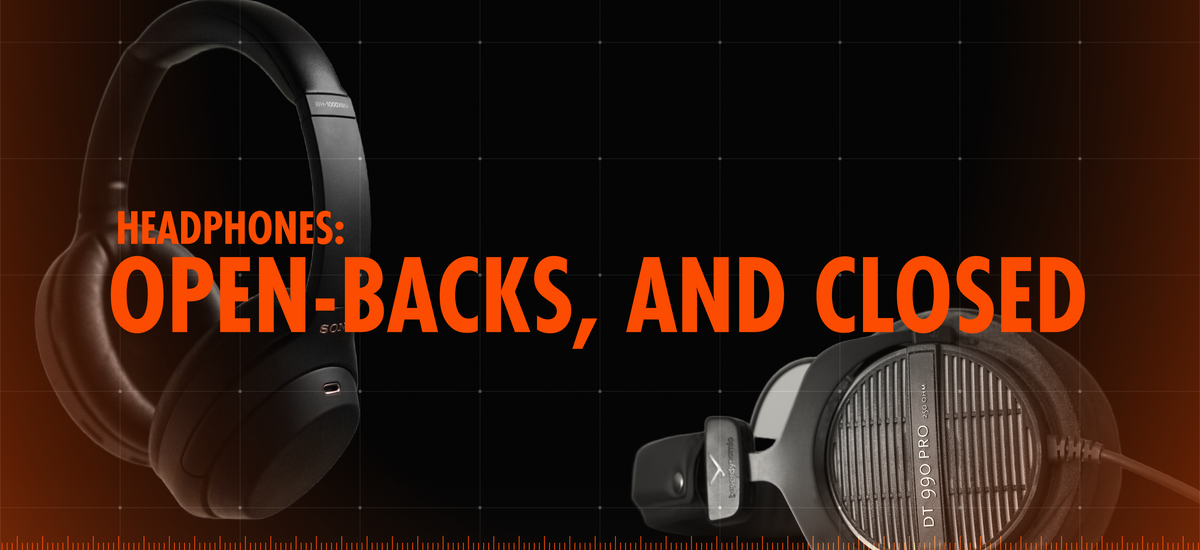
It’s the main reason open-back headphones have become the standard for critical listening and high-end audio quality in the audiophile community.
Closed-back headphones, however, take the opposite approach. With their sealed earcups, they contain the sound, provide passive isolation, and generally produce a more responsive and intimate listening experience.
Neither is inherently better than the other though in situations where managing sound leakage matters more, such as when recording, closed-back headphones are more desirable than open-backs.
But for the average listener, this raises an even more interesting question:
Should a bigger soundstage always be the goal?

Open, Closed, And Something In-Between
The difference between open-back and closed-back headphones is fairly straightforward.
Open-back headphones allow air to move freely through the rear of the earcup. By eliminating containment and allowing airflow, the sound is produced with a wider presentation, or soundstage.
Closed-back headphones seal the driver inside the earcup, which gives better sound isolation, but can also introduce colorations through reflections and resonances that influence the final sound.
Then there are earbuds and IEMs, which take a different approach.
Most earbuds are fully-enclosed and offer the same experience as closed-back headphones, while some are vented to relieve pressure buildup and to aid in the acoustic behaviors of the driver. However, a vented earbud isn't simply an open-back headphone in miniature form.
The vent is primarily there to control the interaction between the driver, enclosure, and inner-ear rather than to recreate the open acoustic environment of an open-back headphone.
The important distinction is that all of these designs offer different strengths, and equally have their own compromises. This is the point where discussions on soundstage start becoming more complex.
Most people will always recommend having the biggest, widest soundstage to get the best audio quality.
While that is generally true, there is one more variable that can make all the difference: Imaging.
“How Big Is Your Soundstage?”
Soundstage describes the scale of the space you perceive from the sound in your headphones.
Imaging describes the precision of the placement of sounds within that space.
A wide soundstage can make music, games, and movies feel enormous. You could perceive instruments, footsteps, and other sound cues to be anywhere around you. Not that critical to have when you’re listening to a compressed mp3 file or an old recording.
But if you’re trying to enjoy music that’s mastered and released specifically for spatial audio, navigating a 3D space in a game world, or watching a movie in all its Surround Sound glory, the inaccurate placement of sounds can be quite disorienting.
A good soundstage can only give you a grand sense of scale. Good imaging, however, tells you exactly where every sound is inside a 3D space.
In music that’s mastered in 3D spatial audio, you’re able to enjoy music exactly how the artist and engineer envisioned it. In movies and TV shows, you can have the cinema experience wherever you go. And it fits right in your pocket.
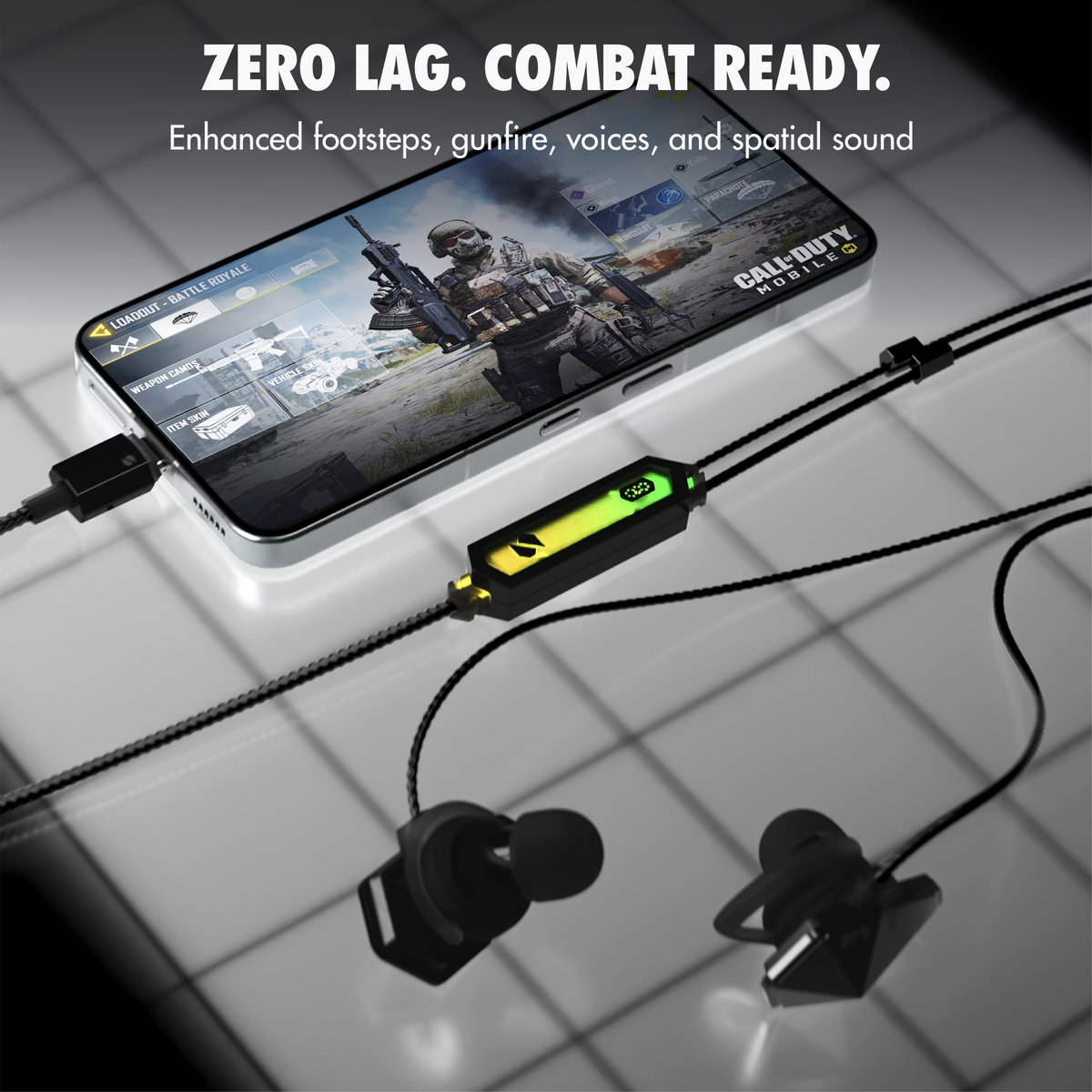
However, for gaming, that difference is the most critical advantage since sound becomes information. And that information decides whether you win or lose; live or die. A distant gunshot should sound distant while footsteps behind you shouldn't suddenly sound like it's coming from your side.
The goal of hardware isn't simply to make sound feel bigger. However with a great soundstage and excellent imaging, sound can become as realistic as real life itself.
In-Ear Imaging Is On Another Level
This is where in-ear designs have a fundamentally unique advantage.
By securing the driver directly to the ear canal and sealing the ear completely, in-ear headphones can create a much more highly-controlled acoustic chamber than over-ear headphones could ever achieve. There's very little room for environmental noise to interfere with the signal.
However, that doesn't automatically make every IEM good at imaging.
The driver still needs to be capable of reproducing the signal accurately. Its movement needs to remain controlled and its sound profile needs to be properly tuned.
In other words, form factor alone isn't the magic… but it helps. Precision, however, is.

Sounding Bigger Than They Should Be
With SANWEAR, we have one goal: create addictive audio.
By eliminating the compromises set in place by the industry on earbuds, we’ve been able to achieve the same sense of scale and precision that over-ear studio headphones deliver. Whether open-back, or closed..
GAMETYPE was our first major step toward that goal, combining our driver technology and tuning philosophy to produce an unusually spacious presentation while retaining the positional accuracy needed for competitive gaming.
Reviews of the GT have highlighted its excellent spatial imaging specifically, with footsteps, movement, and directional cues being easy to pinpoint while still producing a soundstage that feels unusually wide and open for a true wireless earbud.

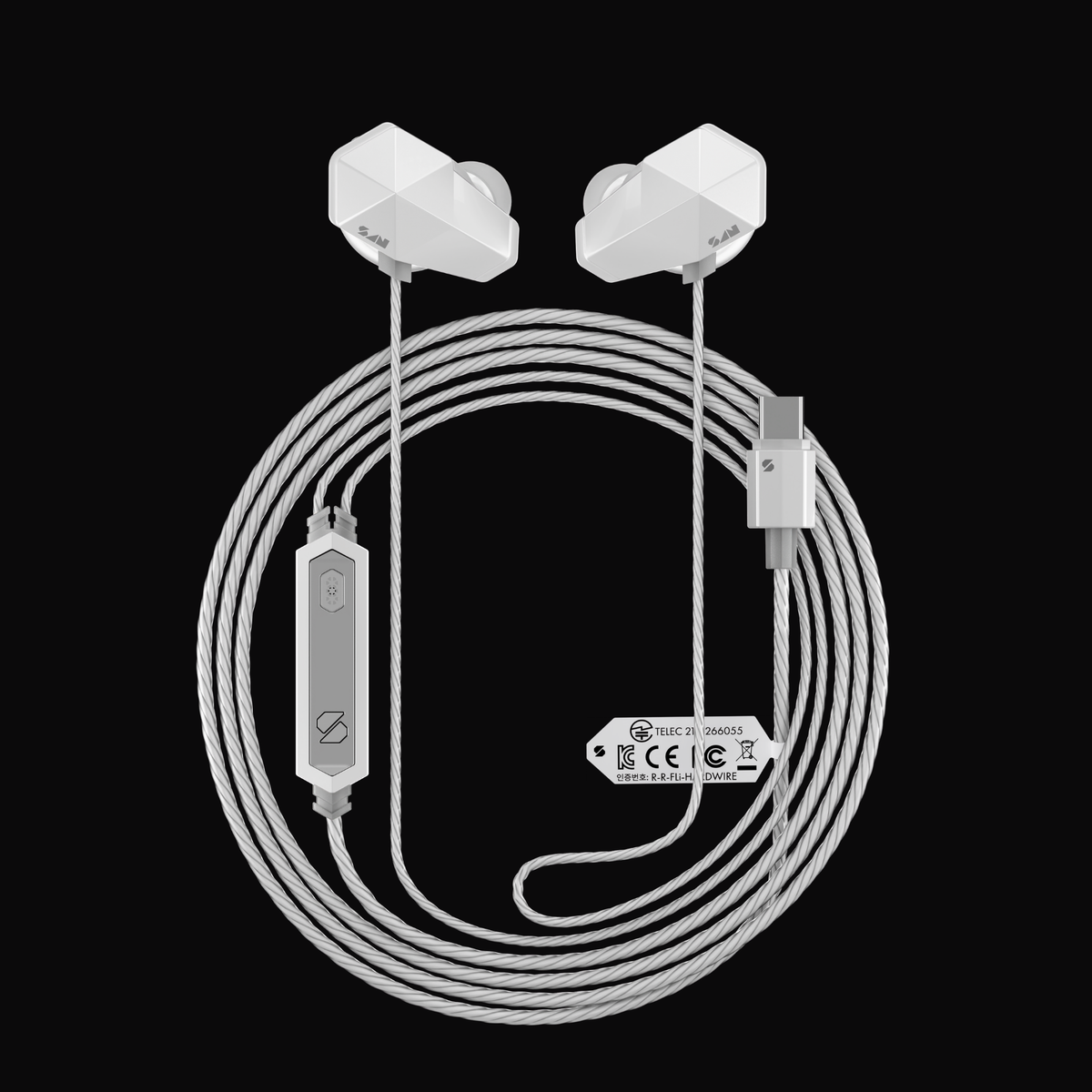
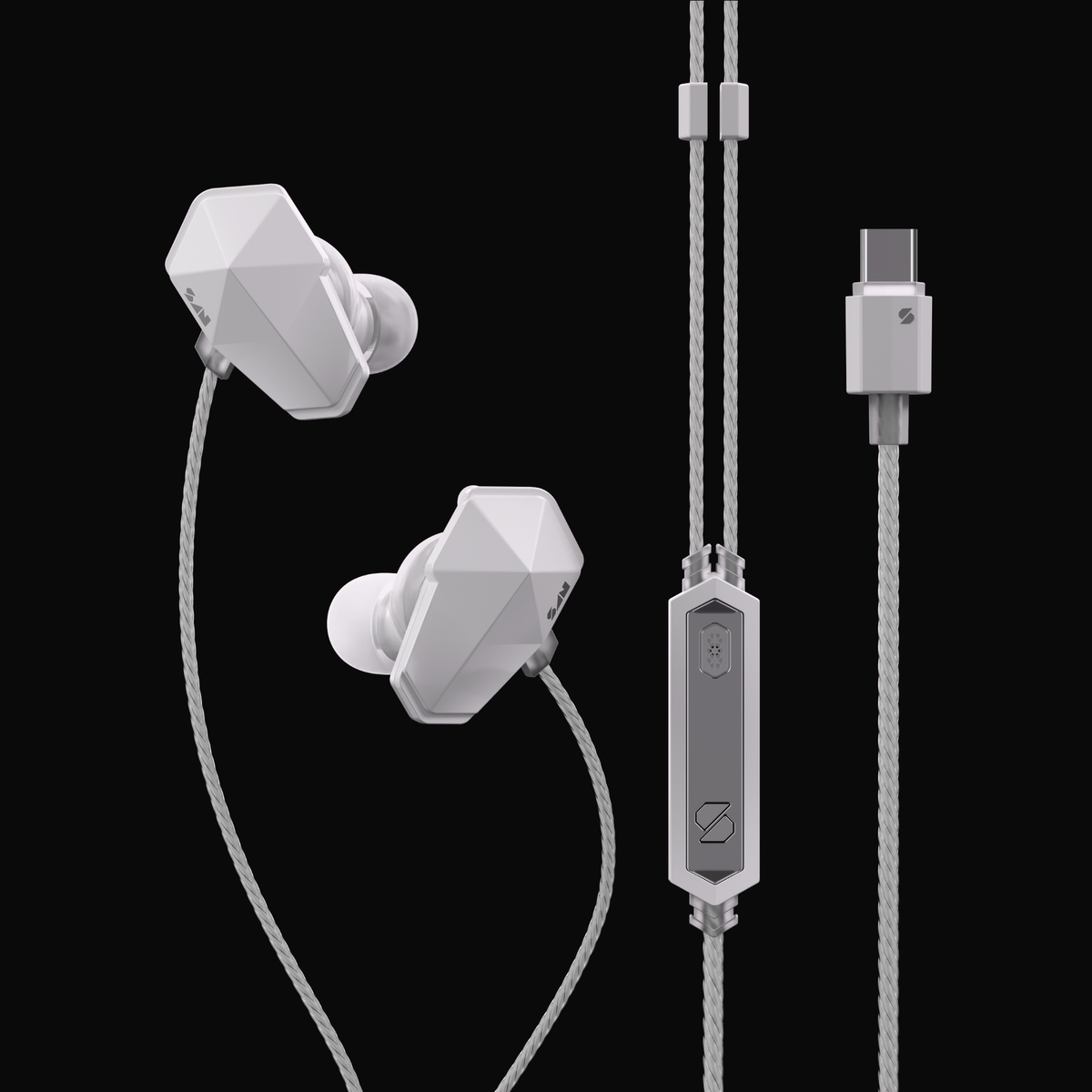
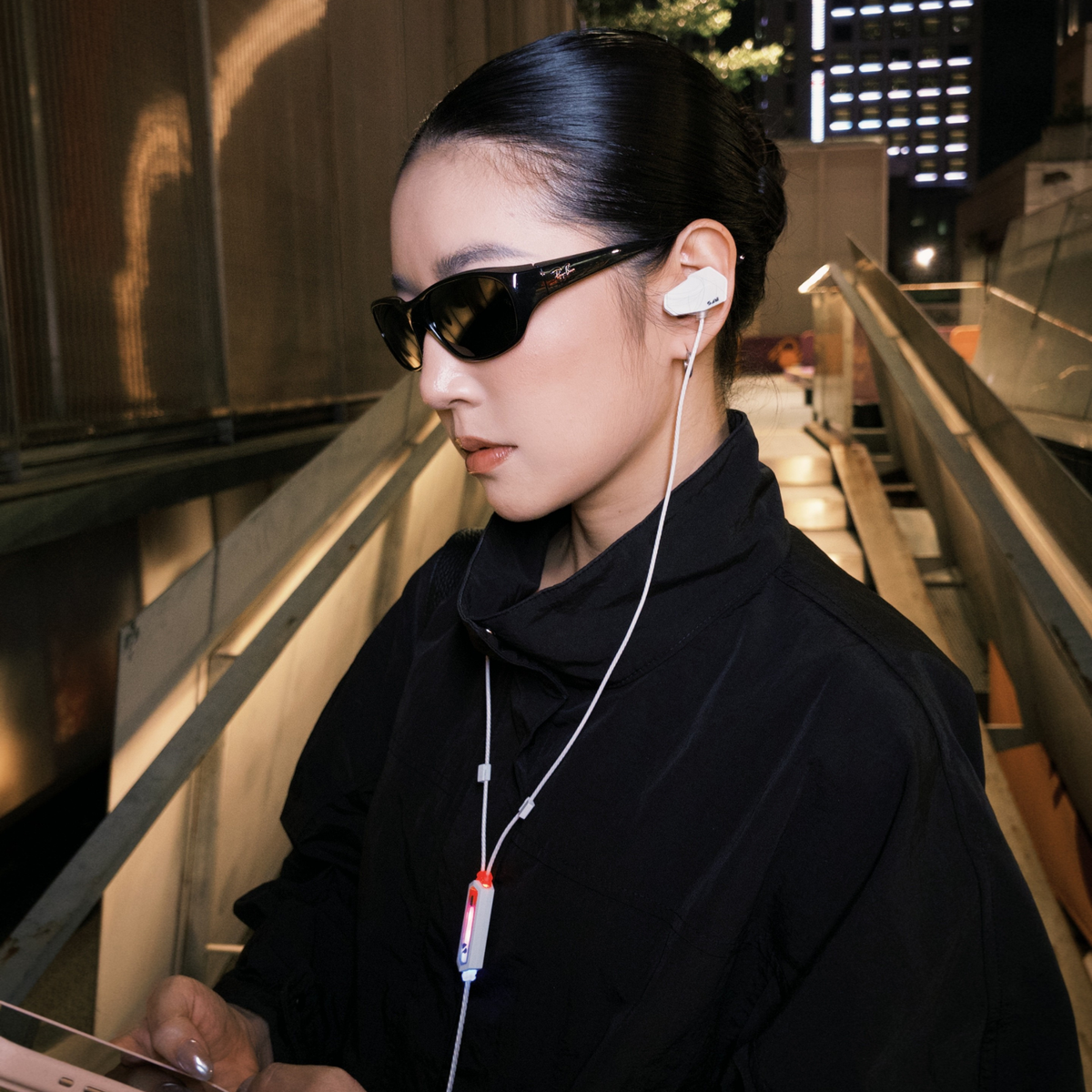
With HARDWIRE, we took that even further.
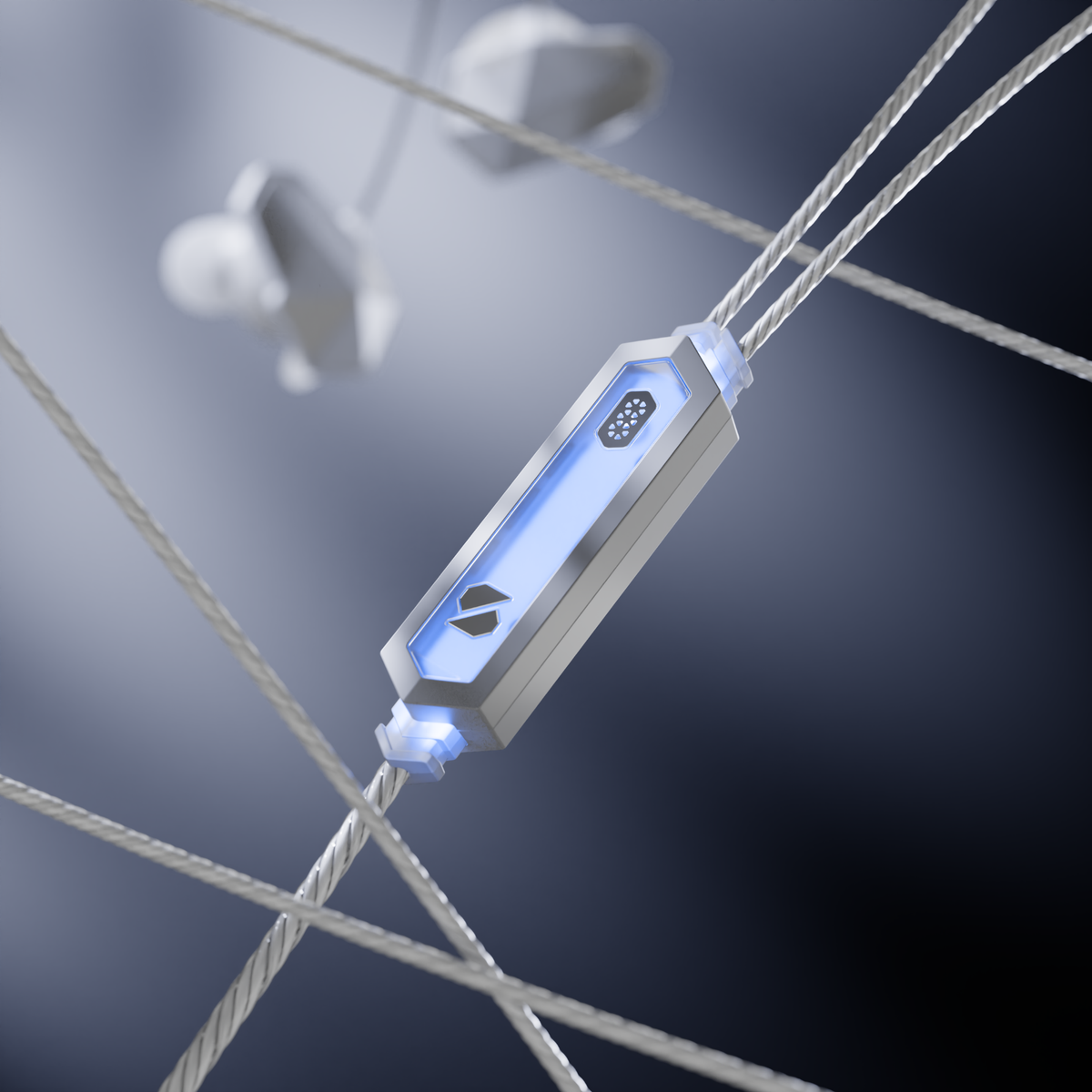
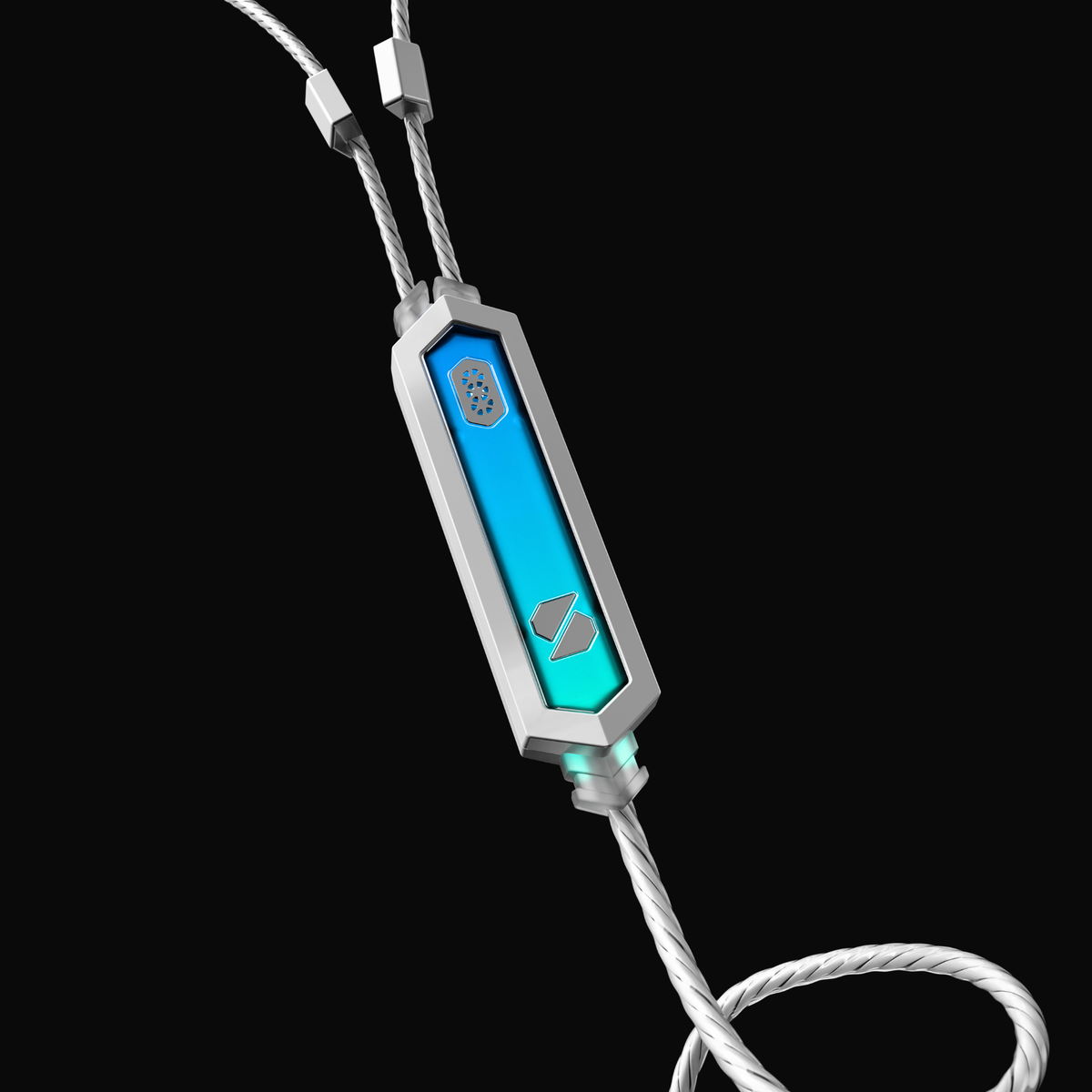
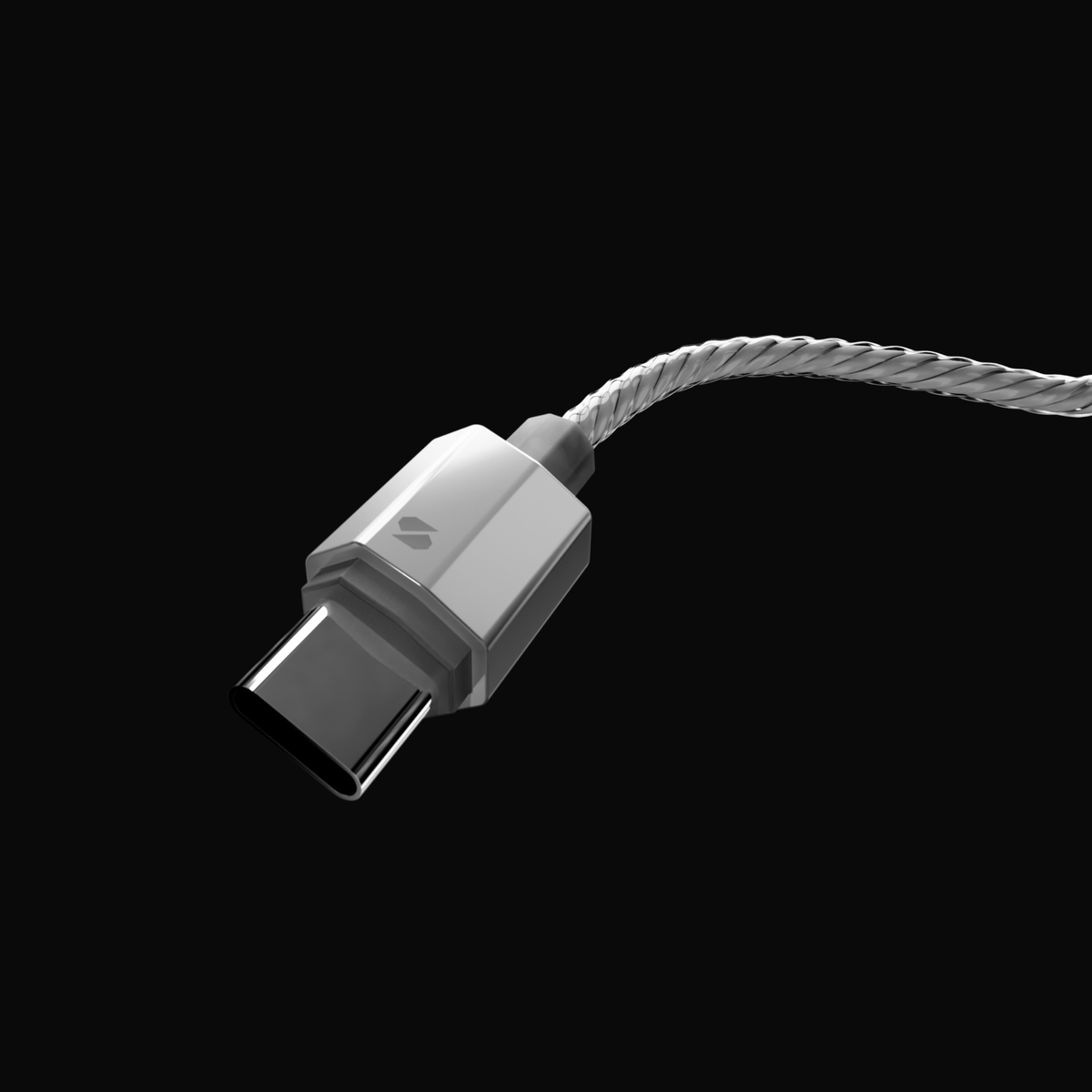
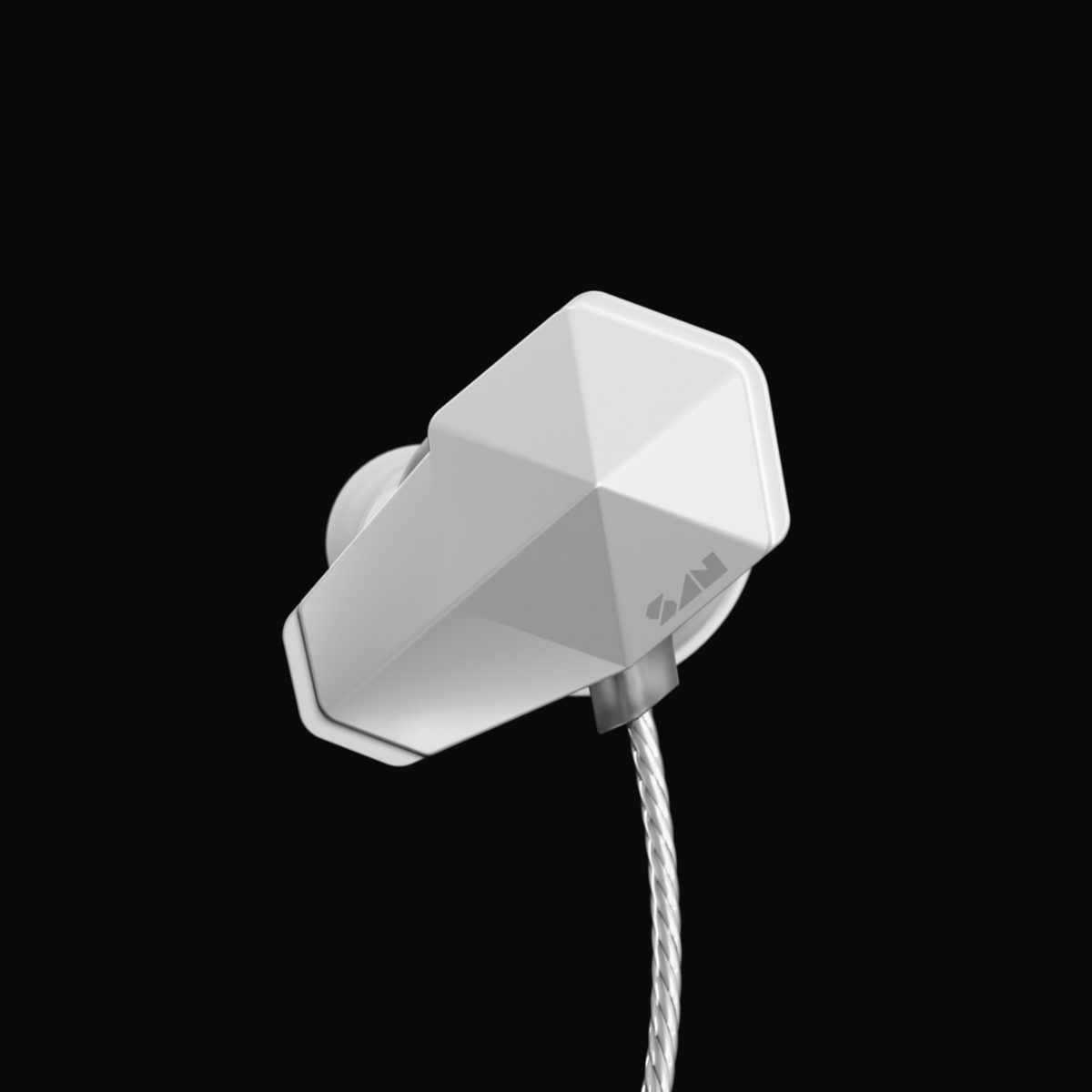
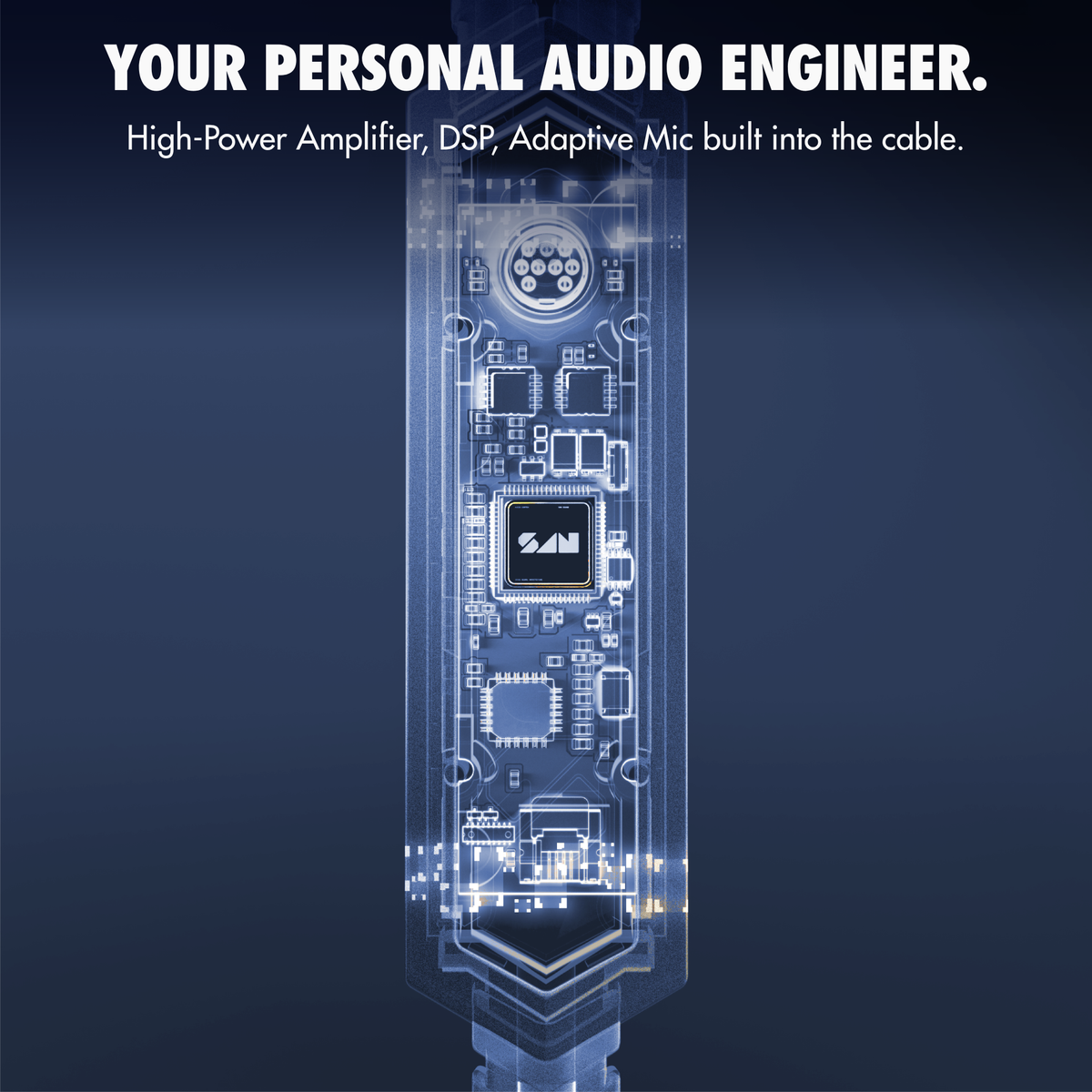
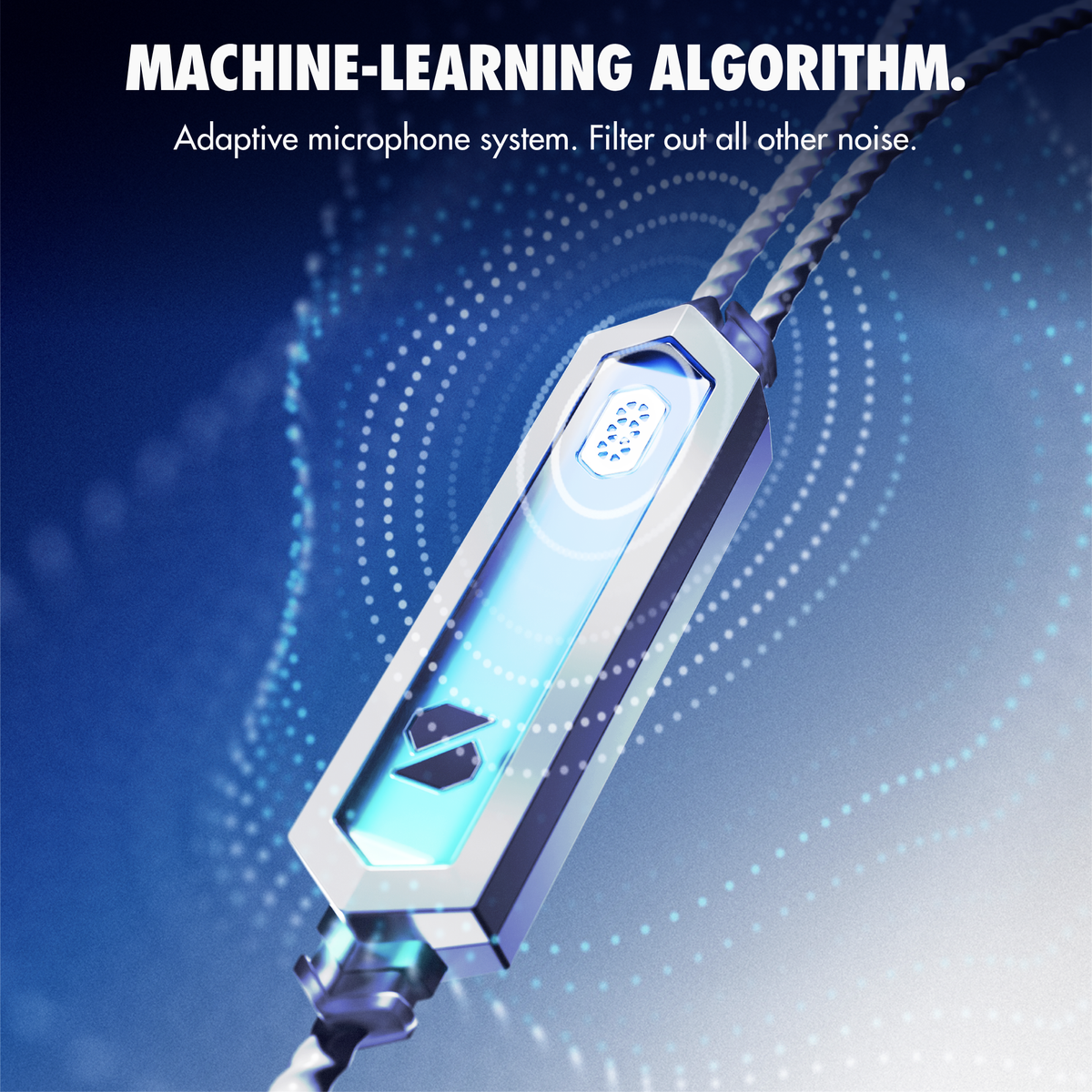
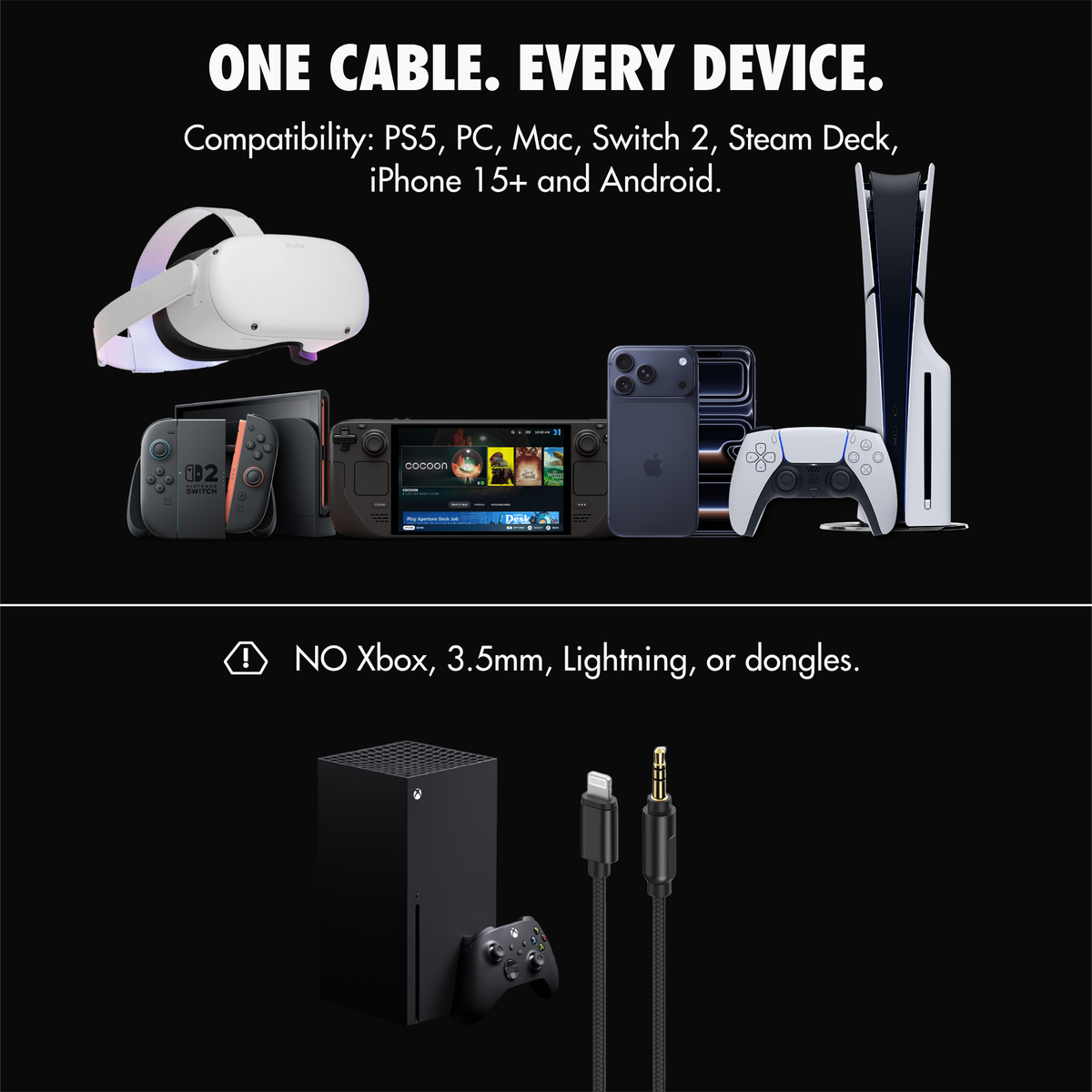
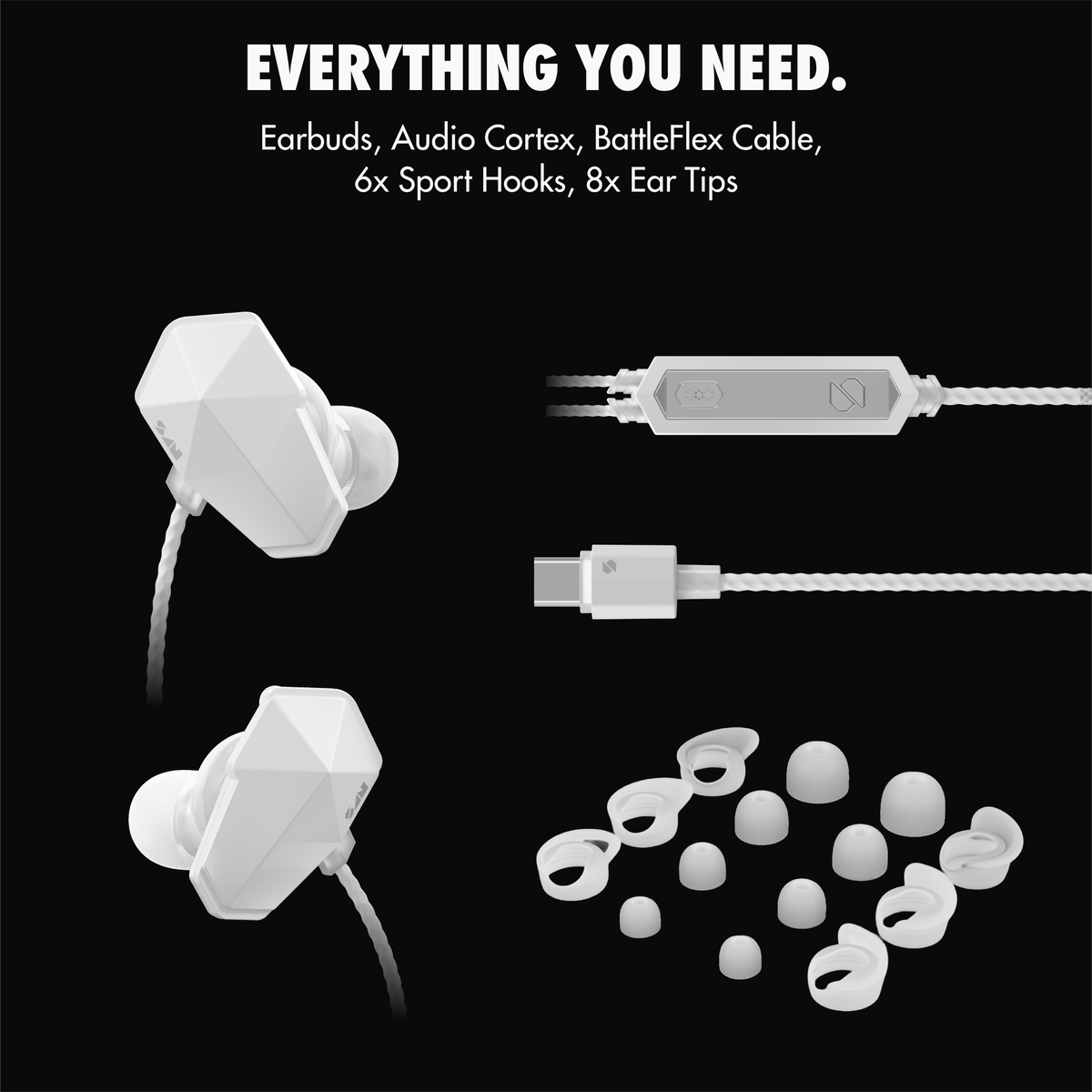
Its Planar-Dynamic driver is designed to combine the speed and precision of a planar-style diaphragm with the range and physical impact of a dynamic driver. Behind it all is the Audio Cortex, integrating a dedicated DAC, high-power amplification, and onboard processing into the cable itself that ensures perfect signal clarity and peak driver performance, on any device.
The result is sound replication so precise that spatial audio becomes holographic.
A wider soundstage may always sound impressive. But when paired with precise imaging, accurate distance, and coherent sound separation, the experience can truly become something else entirely.
Something truly quite addicting.
Learn how over two decades of audio engineering have laid the foundation of SANWEAR.
Experience Hardwire | Become Addicted To Audio
//END TRANSMISSION//


Share:
SAN Sound is Breaking Into Three of Asia’s Biggest Markets