


“Big” requires scale and perspective. How do you do that with sound?
What separates spatial audio from stereo and surround sound is not simply placing sound in 3D space, but also the manipulation of our perception of size and scale.
The human brain uses subtle cues to determine how big and far away an object is. Sound engineers leverage this by manipulating psychoacoustics: the study of how we perceive sound. By using a combination of techniques, they can make any kind of sound feel tiny, or immense.
Bass, and the lower frequences, is used to convey a sense of deep rumble that can feel vast and overwhelming. This creates a sense of a large space or a massive object, even without accompanying visuals. But the trick is in layering the right bass frequencies. The engineer pairs it to the base sound, and is often layered with long, evolving reverb tails to mimic the echoes in a huge cathedral or an endless chasm.
The audible bass that we recognize from beats or explosions isn’t that much more important to convey size and scale, than it is the almost-imperceptible sub-bass frequency band that gives our brain all of the rumble and vibrational data for us to synthesize that into something we can perceive to be massive or colossal.
This is used everywhere, most notably in the movies like Cloverfield (2008), and the recent Godzilla and Kong movies from Warner Bros. And in videogames, titles like Control (2019) use ambient spatial audio to make the brutalist architecture of the Oldest House feel impossibly large.
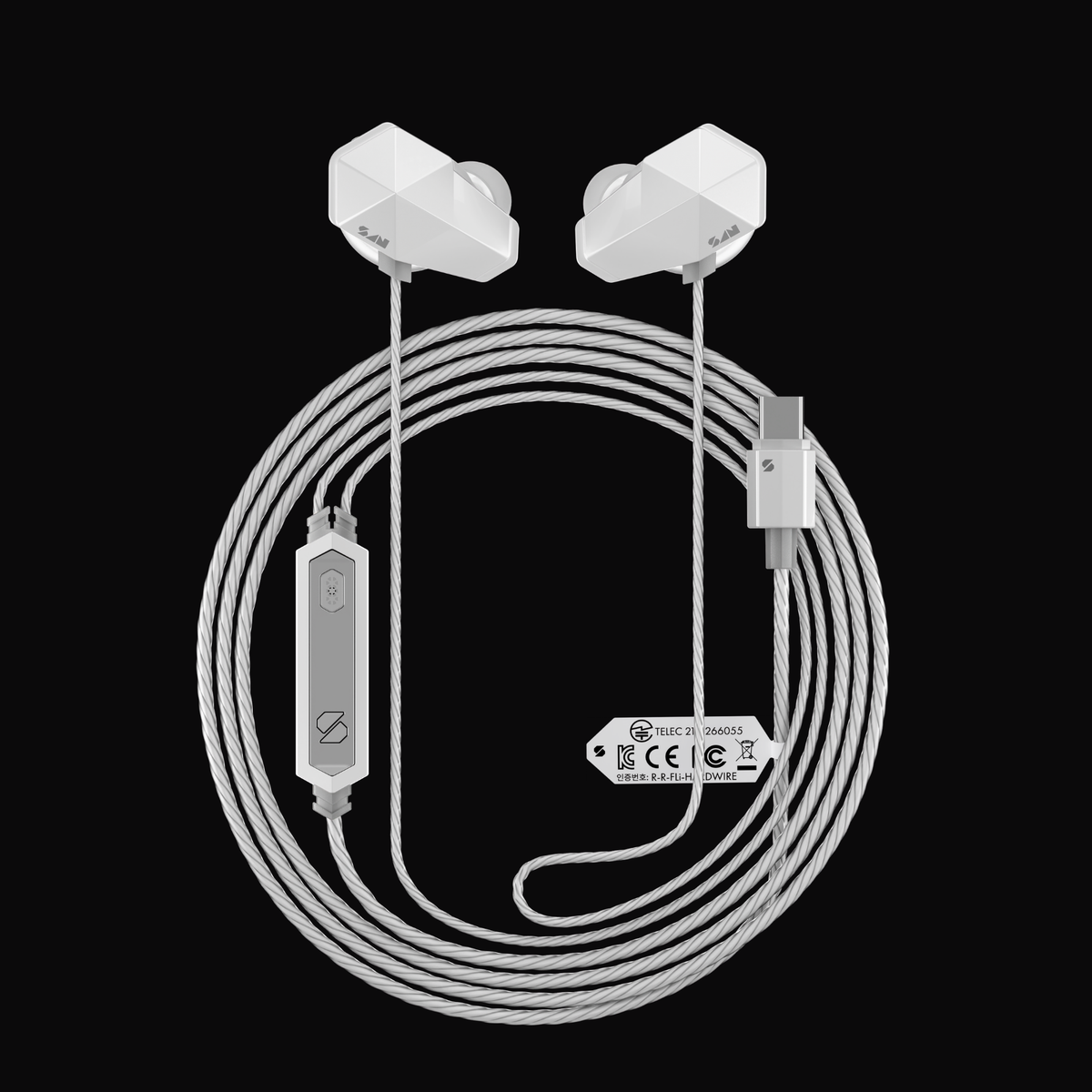
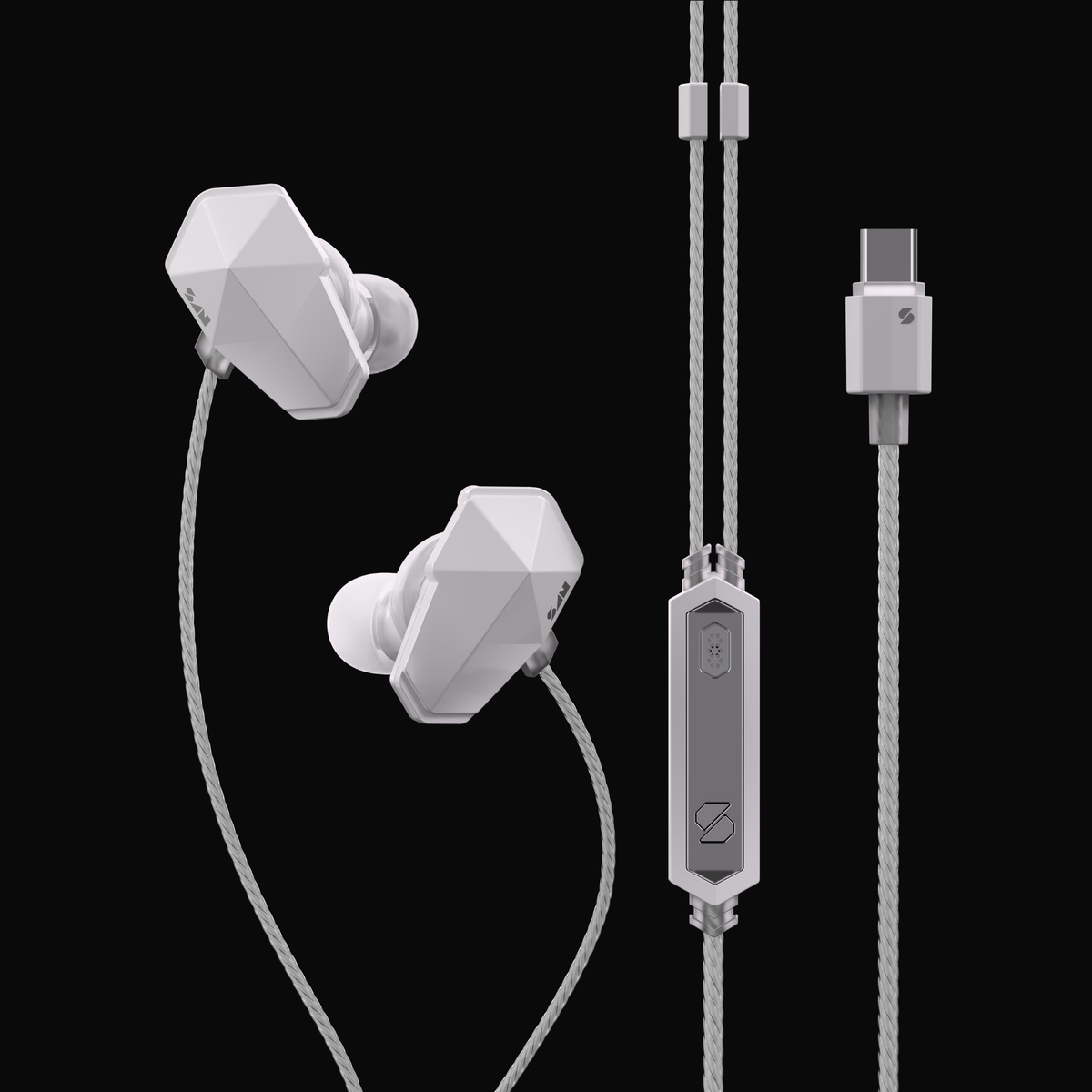
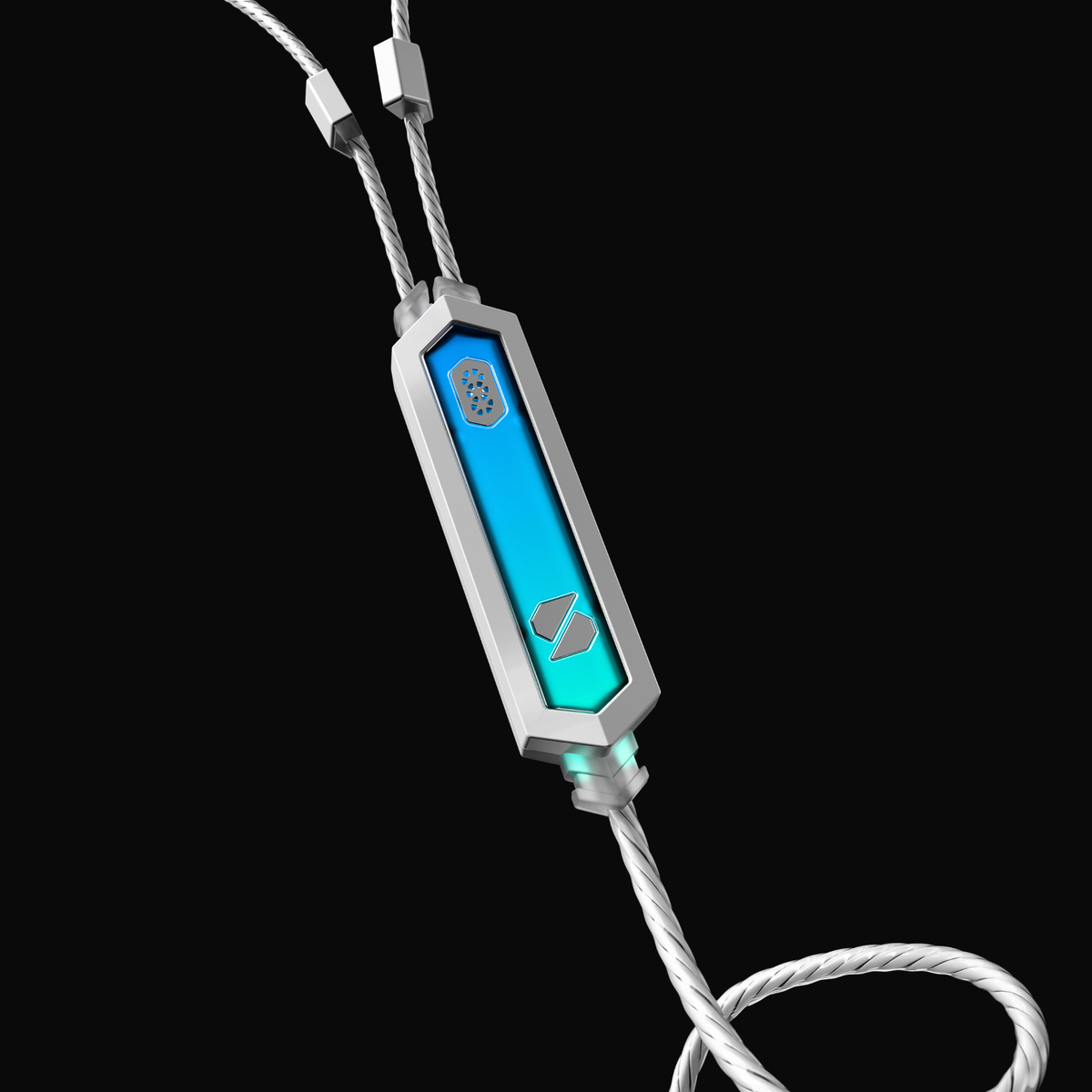
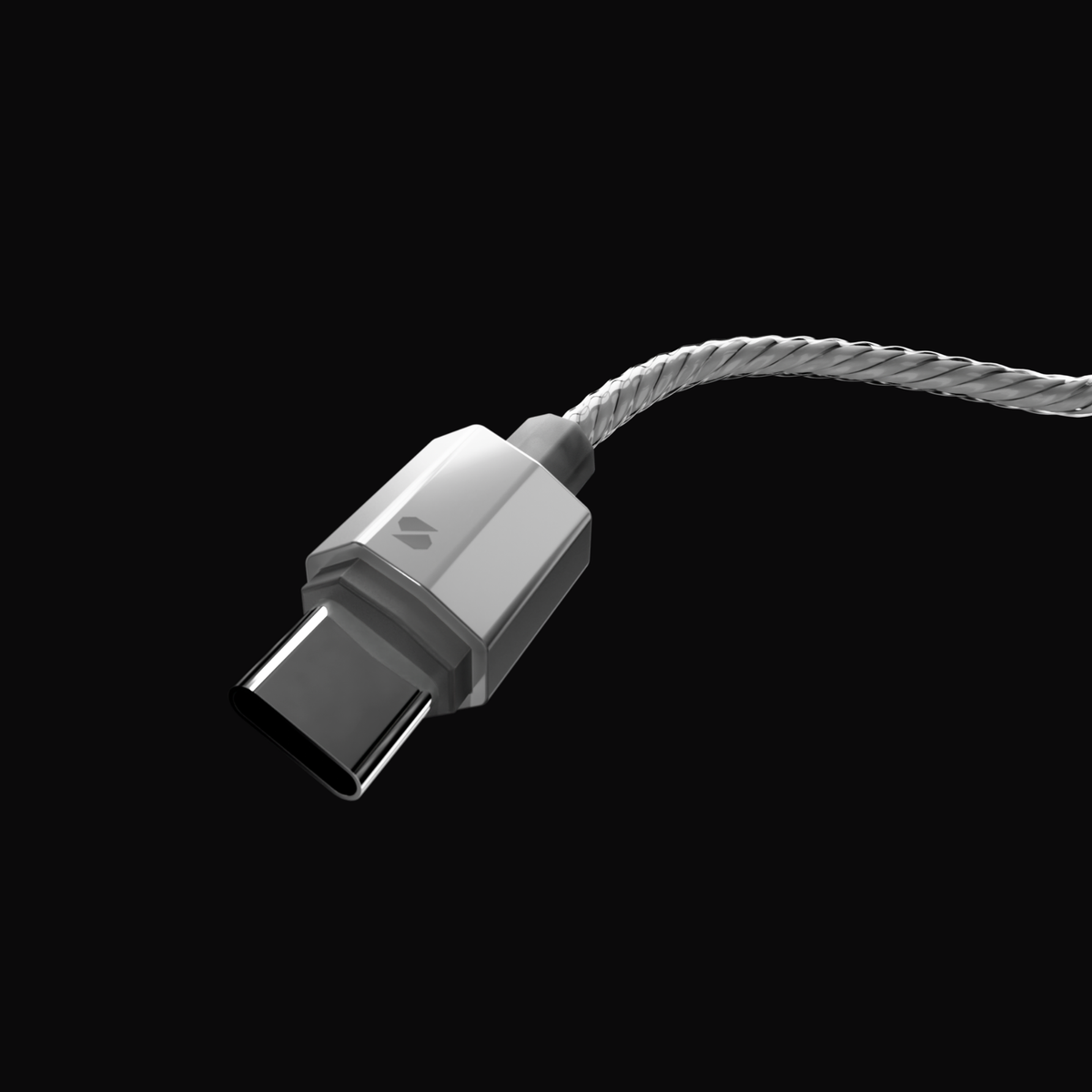
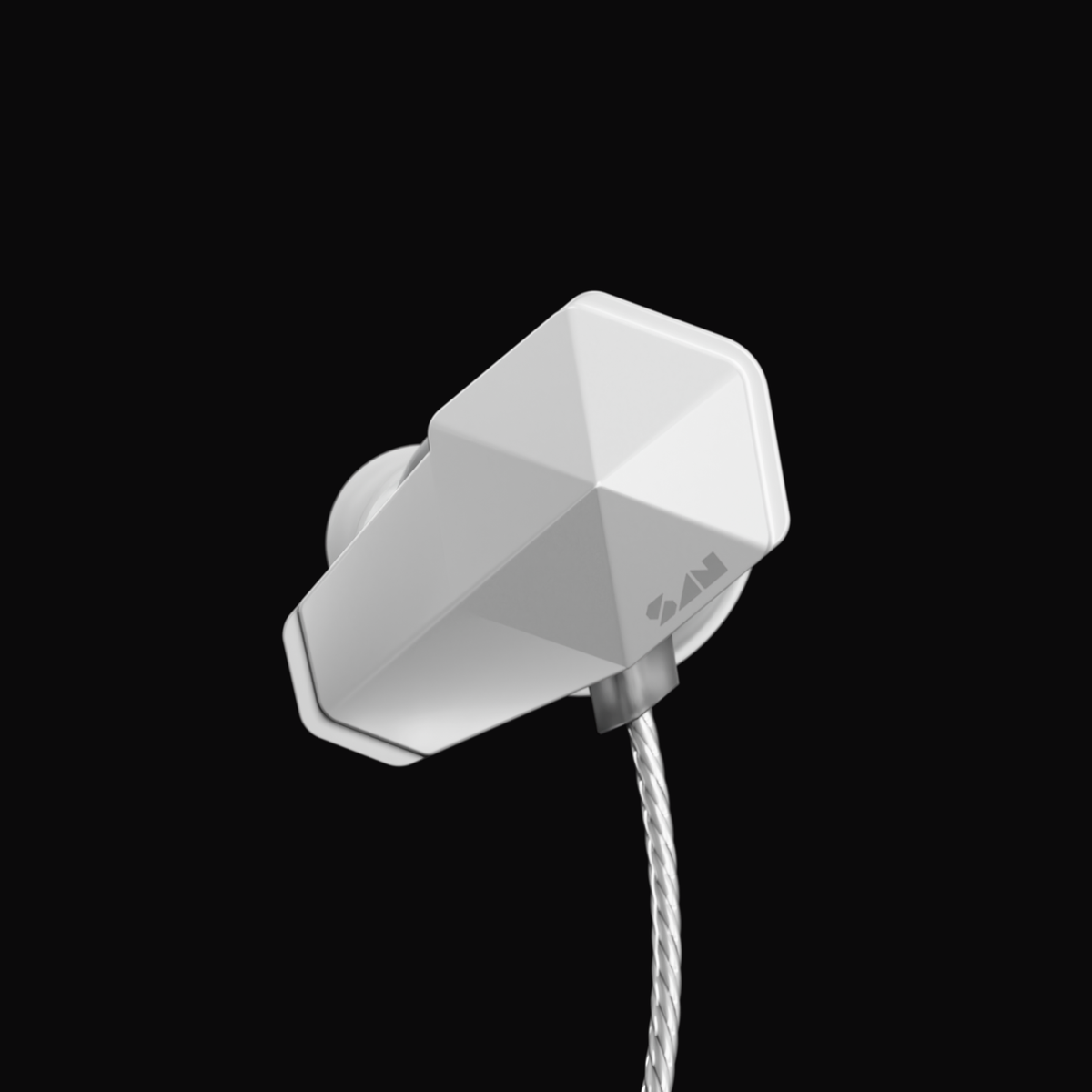
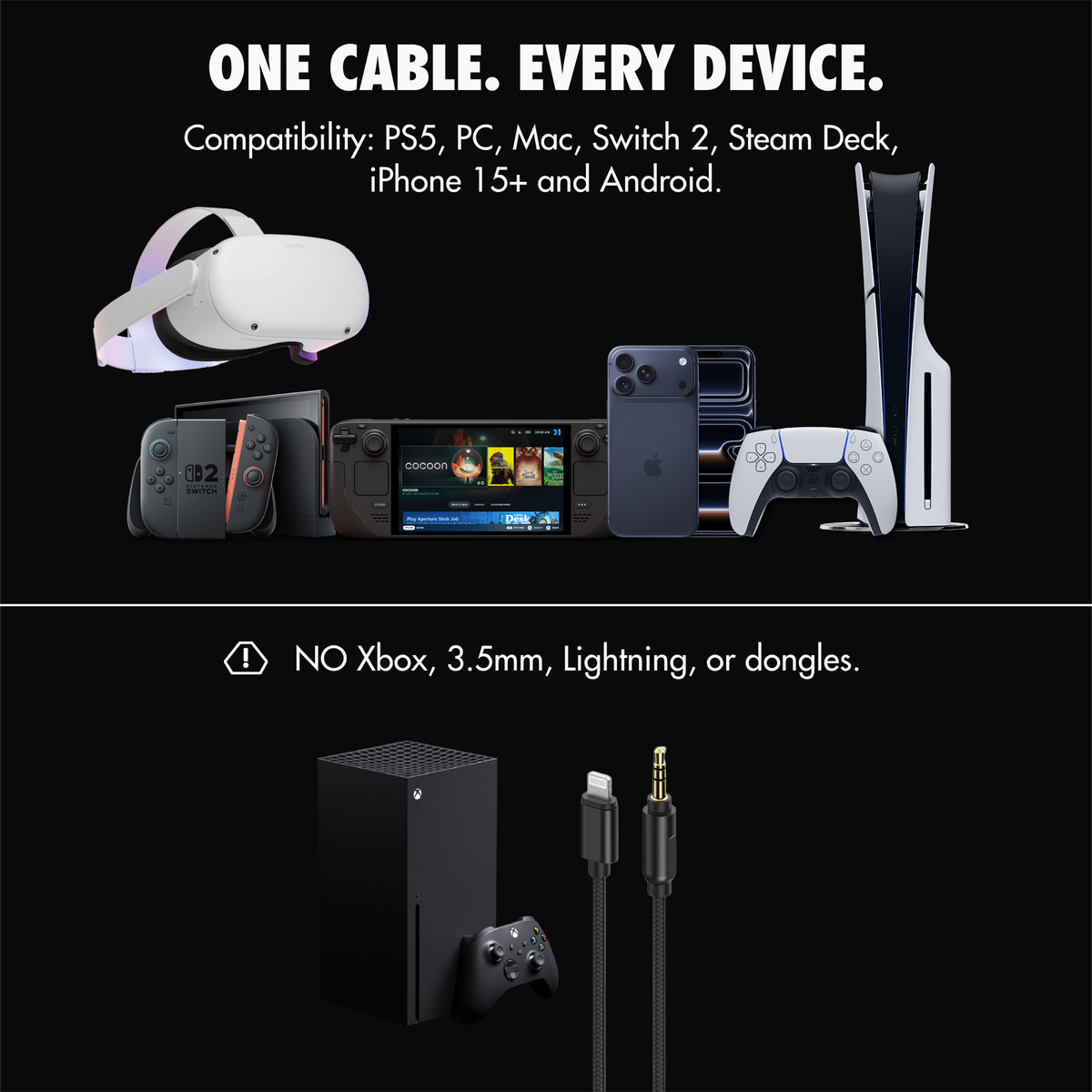
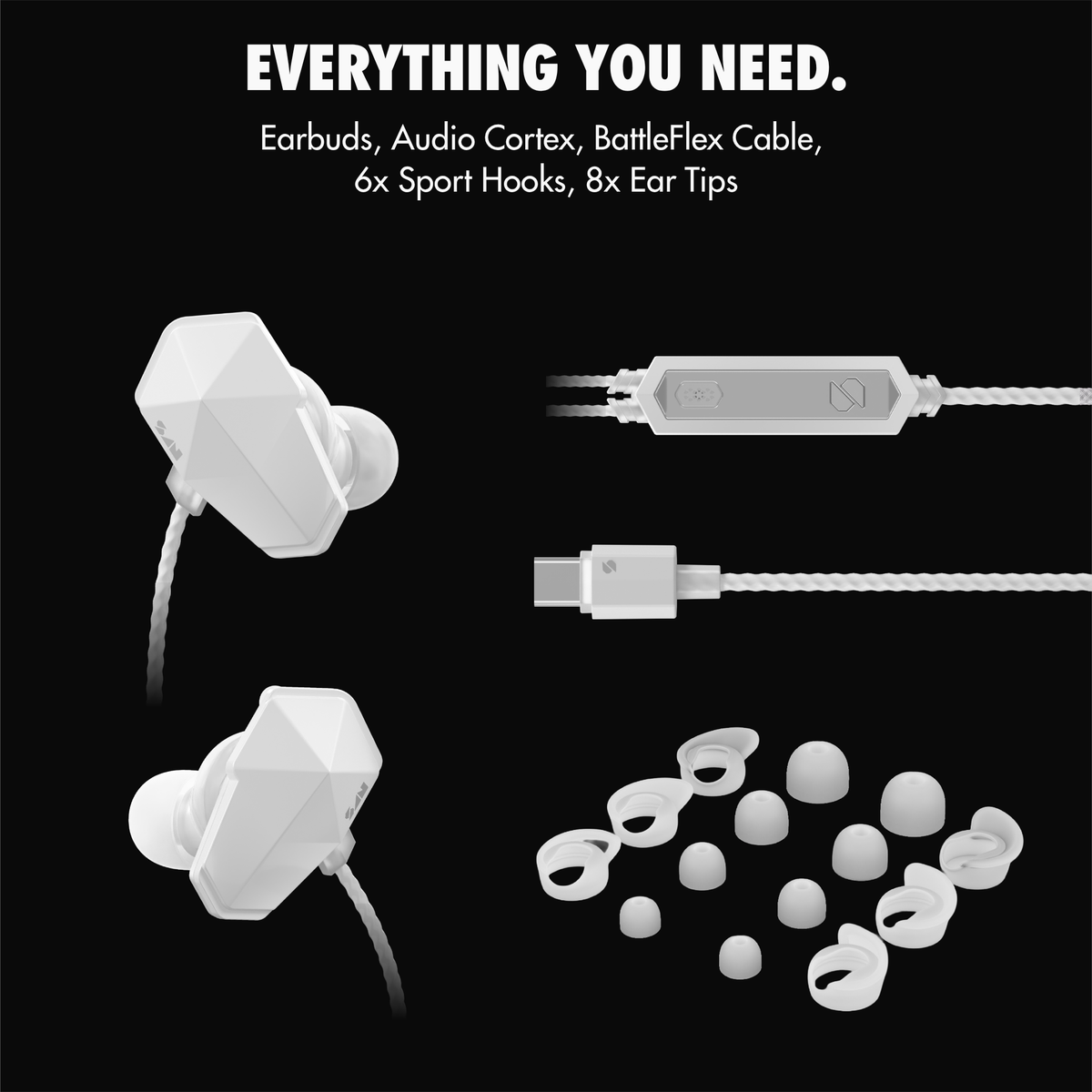
This mastery of scale is the secret ingredient. Next time you watch something, try to listen for that difference. At SAN Sound, it is our mission to engineer the hardware that can bring the movie or game director’s vision of scale to life.






Share:
Audio Mini-Class: The Audio Cortex