


Quality Portable Audio Matters More Than Ever
There was a time when the smartphone was used just for texting, calling, browsing some pages, and maybe watching some short videos. Today, your phone has become the center of modern digital life.
Everything from our work to our social lives, banking, GPS and navigation, shopping, and of course, our entertainment, are all controlled from and lie in the palm of our hands… except none of that was new.
What’s new is the hardware, and the fact that Mobile hardware has evolved far enough to deliver experiences that rival those of more conventional laptops and PCs.
Faster processors, stronger mobile GPUs, larger high refresh-rate displays, advanced wireless protocols, and increasingly sophisticated mobile operating systems have transformed the humble phone from a convenience device into a fully-capable, and highly portable personal computer platform.
Yet while displays, processors, and cameras improved aggressively over the last decade, one aspect often remained an afterthought: Audio.
Mobile Gaming: The Driver For Growth
No medium accelerated mobile hardware development more aggressively than gaming.
For most users, music playback is relatively lightweight, as are web browsing and productivity work. Movies and TV shows are largely pre-rendered experiences streamed from the cloud. And your average apps simply require more memory, not performance. Games, however, are different.
Every frame, animation, sound cue, environmental effect, and player interaction must be rendered and processed in real time. None of these mattered much in the beginning, when all we had were 2D and lightweight 3D games. But as mobile gaming evolved, so did their demands.

Better graphics demanded stronger hardware, and larger maps required faster memory and more storage. Competitive games spurred this need even further, demanding lower latency, more stable wireless connections, and pushed for PC and console-like experiences with more complex gameplay and mechanics. With these increases in performance came the added heat, which in turn spurred the development of more advanced liquid cooling such as thermoelectric, or Peltier coolers.
First Person Shooters like PUBG, Fortnite, and Call of Duty: Mobile spearheaded the idea that mobile gaming can become close to a console-like experience, rather than just being casual experiences more akin to simpler touch-based and puzzle games.
Soon enough, titles previously only seen on Steam, the Nintendo and PlayStation Stores were being ported into iOS and Android. Older games such as Rockstar’s GTA: Vice City and GTA: San Andreas were one of the first to have the mobile versions released of the full game, while Minecraft followed suit, albeit with a distinct mobile-only version.
Indie developers began releasing the same versions of their games on mobile too, with titles such as Dead Cells, Stardew Valley, and Balatro all having mobile versions that are similar, if not identical, to the main PC or console experience. Recently, Red Dead Redemption (2010) and Tomb Raider (2013) have also released mobile versions that offer the same gaming experience as PC and consoles on your phone, without compromising on performance or graphics quality.

PC emulation was also a recent development that brought a significant jump in mobile computational capabilities, allowing Android devices to run PC games and applications natively from your phone. While still fairly in its early stages, it opened up a big boom in PC emulation development, with open source projects such as Winlator and GameNative going live. The latter of which lets you connect directly to your Steam, Epic, and GOG accounts and lets you play your favorite games with cloud saving.
And of course, Valve recently released Steam Frame, its ARM-based VR platform, which has SteamOS for ARM. Powered by FEX, a high-performance x86 emulator and translation layer that runs any unmodified x86 software ARM-based devices, allowing users to play any compatible PC game on mobile hardware, natively.
The Average Experience of Diminished Quality
We now live in an era of extraordinarily high-quality digital media. Streaming platforms support HDR and spatial audio, music services offer lossless, if not extremely high bitrate playback, and even social media content has become increasingly cinematic in both production and presentation. OLED screens have become more ubiquitous, giving users sharper and higher quality images, while new gaming controllers and other attachments continue to improve the gaming experience.
The limitation we face is no longer the production of the content itself, or its distribution. Instead, that bottleneck is playback and reproduction.
Most people still experience modern media through heavily compressed Bluetooth headphones, sporting weak drivers with muddy tuning, and overly aggressive post-processing. “Good enough” earbuds designed and built for convenience rather than fidelity.

As a result, the overall sound quality diminishes. Separate audio layers collapse into each other, spatial positioning weakens or becomes muddled, and details smear together. A watching experience that could have been that of a high-end cinema ends up being compressed and extruded through utilitarian earphones, or worse, phone speakers.
This is especially noticeable in gaming, where clarity and positioning directly affects your situational awareness and ability to respond to threats effectively. However, it also affects movies, music, and even casual media consumption more than most people realize. The sense of scale in a movie, the separation between instruments in a live performance, and the atmospheres of virtual worlds all rely on audio being reproduced faithfully.
New Hardware, Evolving Standards
As digital experiences increase in fidelity, your ability to replicate that quality matters more, not less.
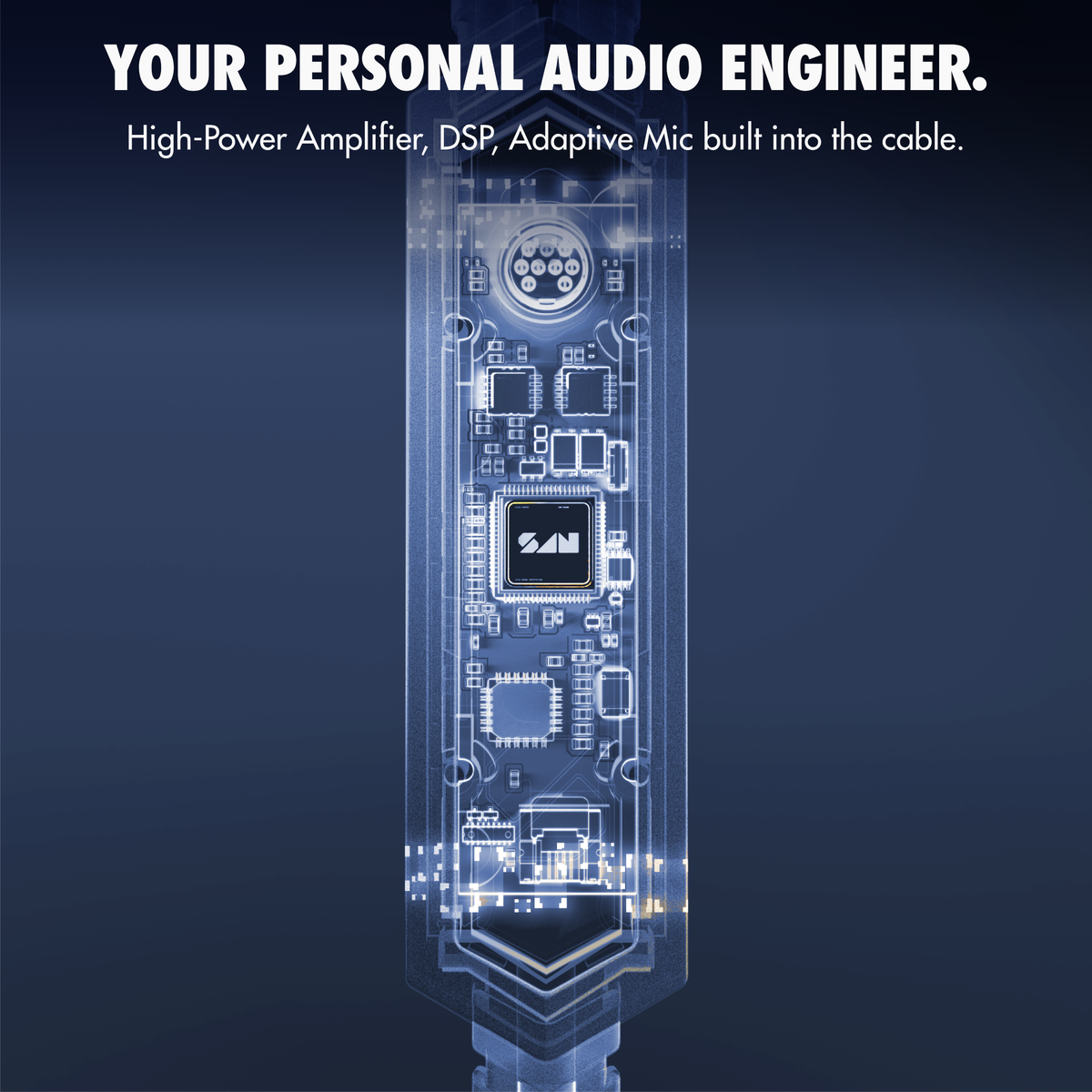
This is why in the audio space, we are seeing renewed interest in specialized drivers and designer IEMs, dedicated DACs and amplifiers, low-latency setups, and wired audio. Better hardware is no longer simply about louder sound or heavier bass but preserving sound fidelity. It is the complete translation of data that allows spatial accuracy, audio separation under complexity, and reduced latency to become fully realized for you to enjoy.
This is the driving force that shaped our mission at SAN Sound, from the very beginning.

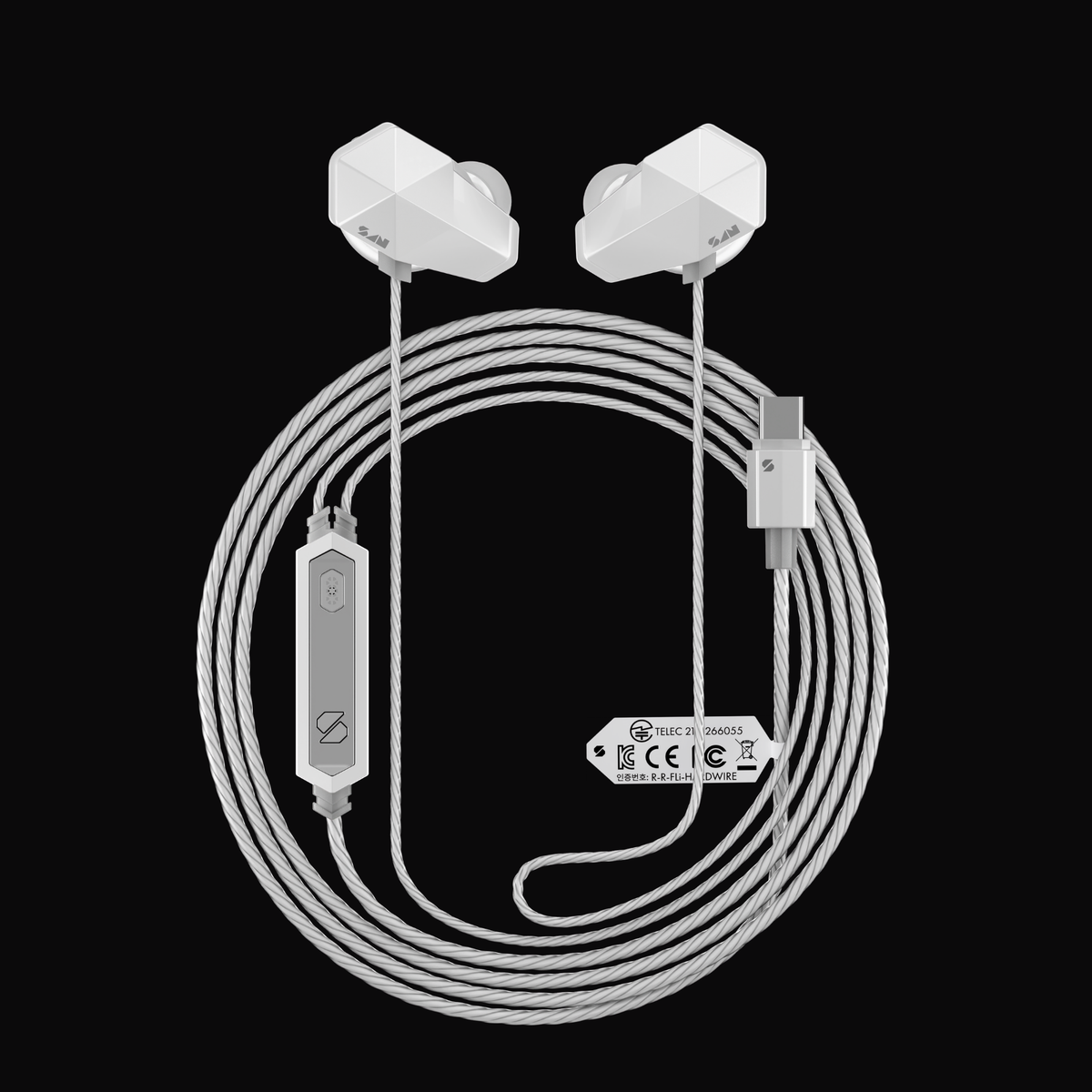
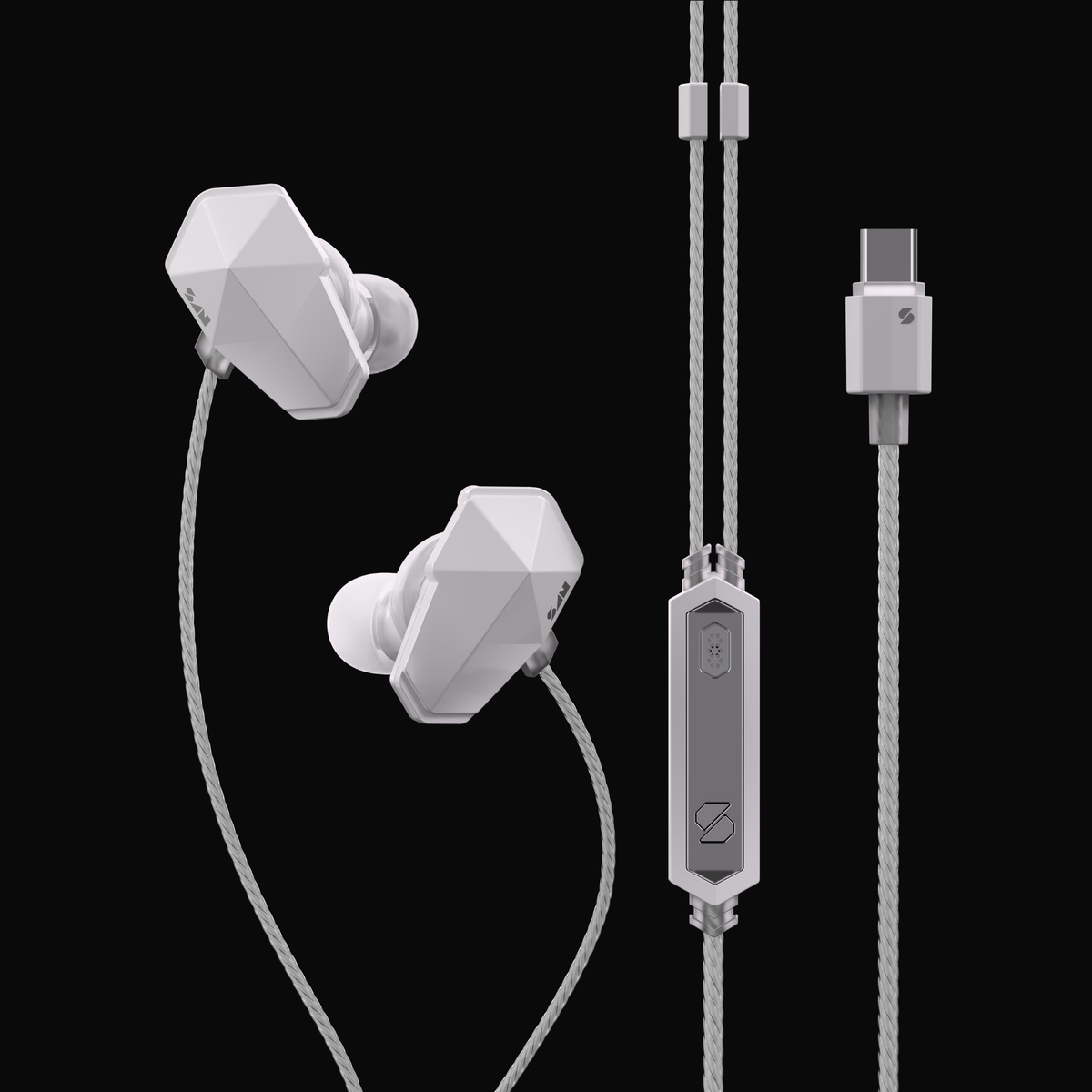
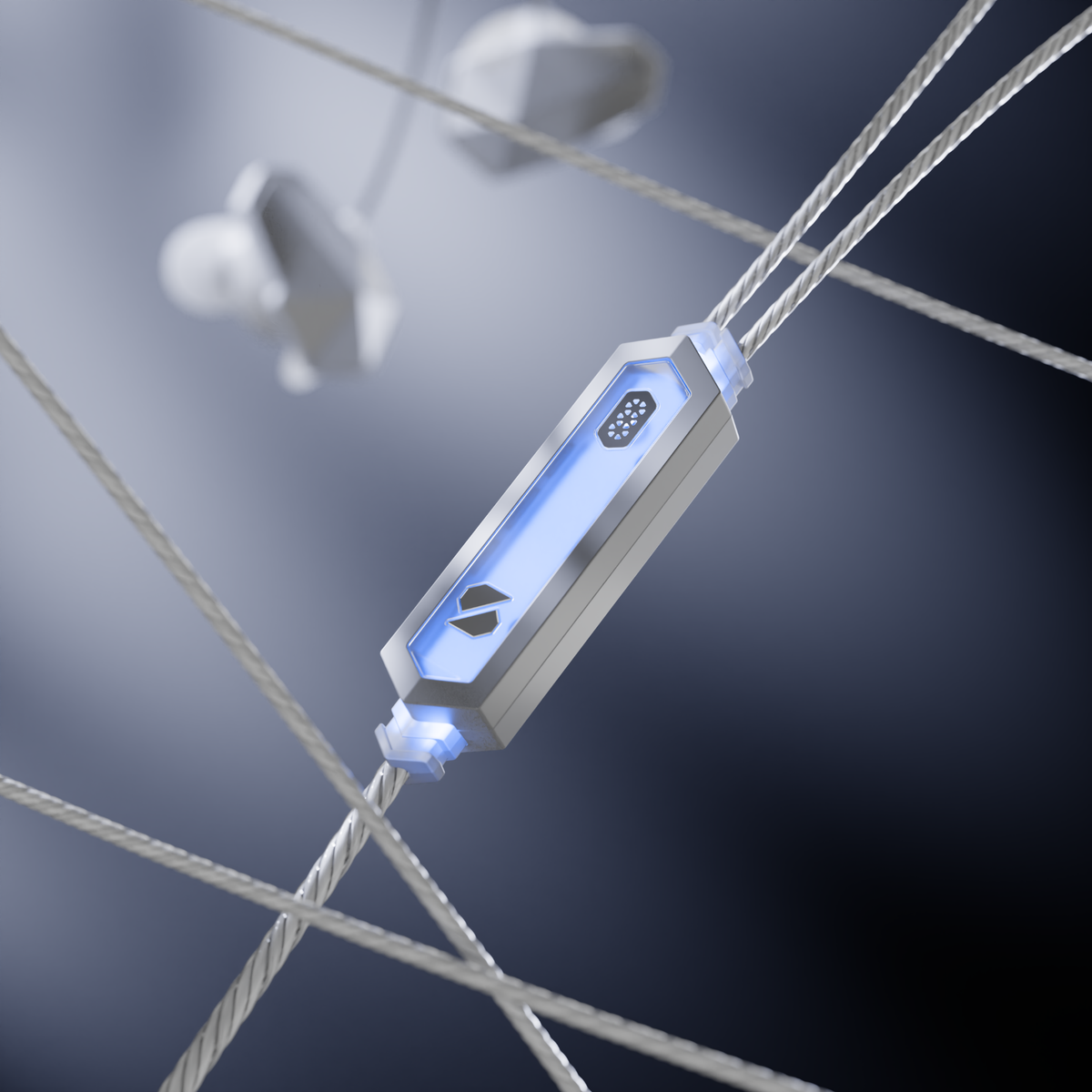
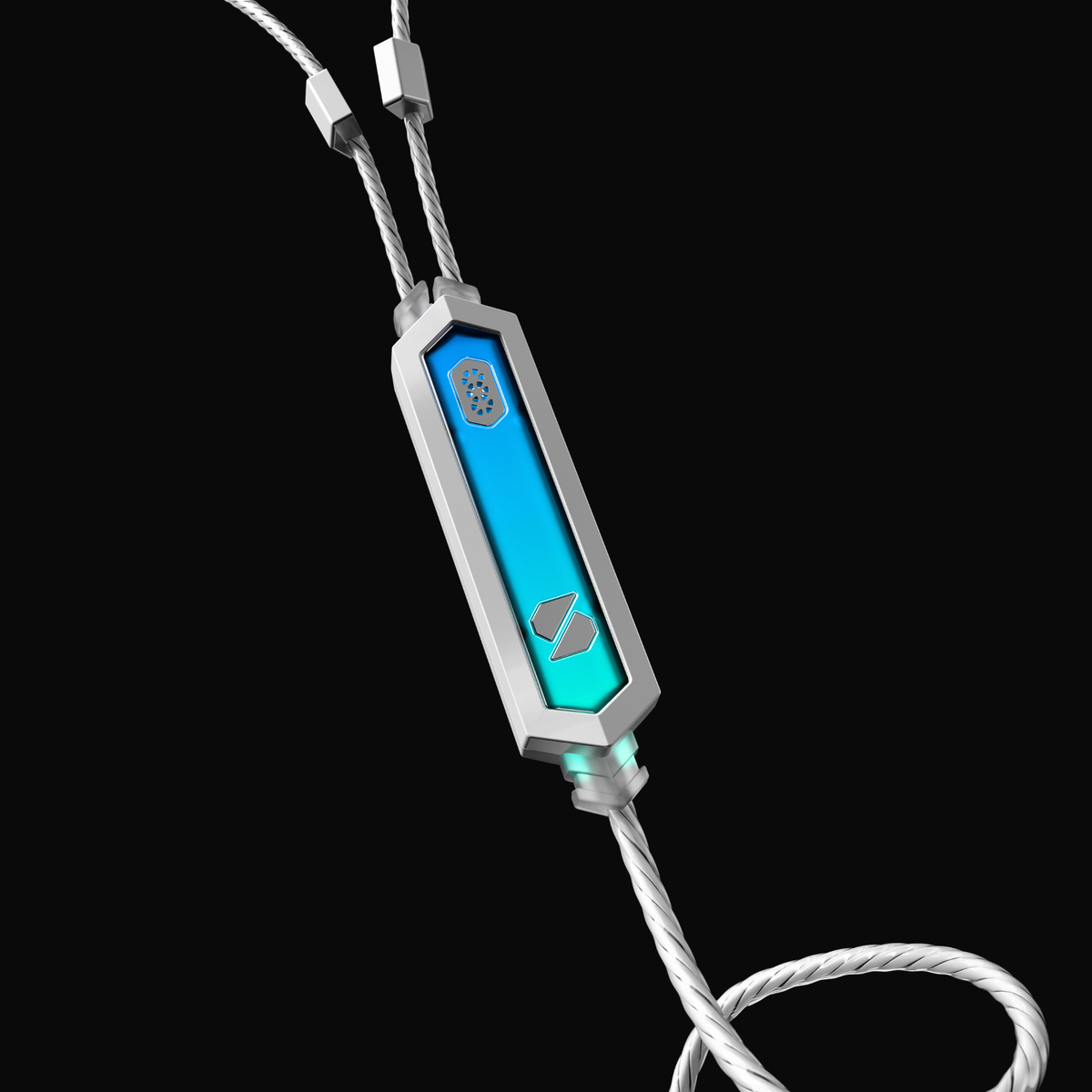
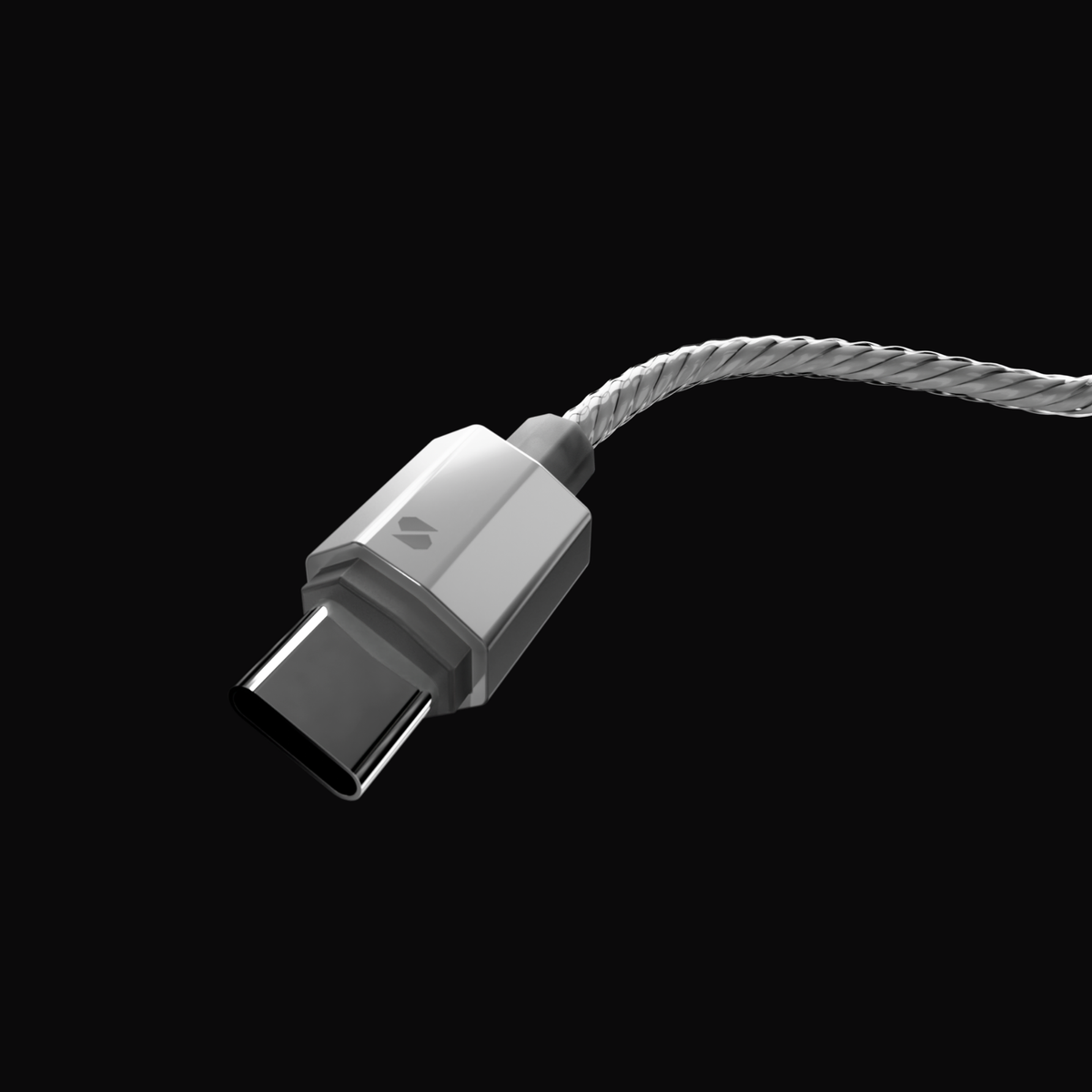
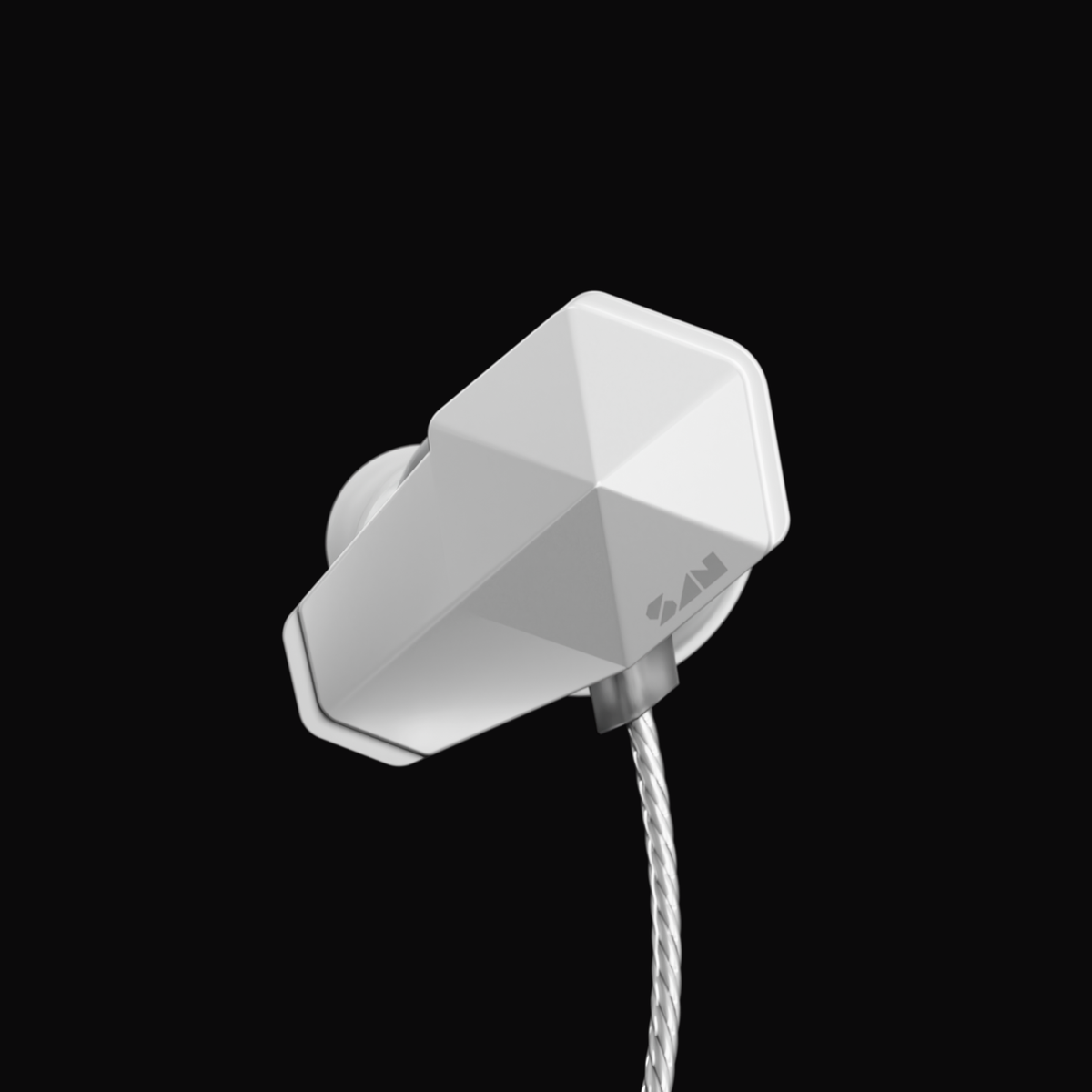
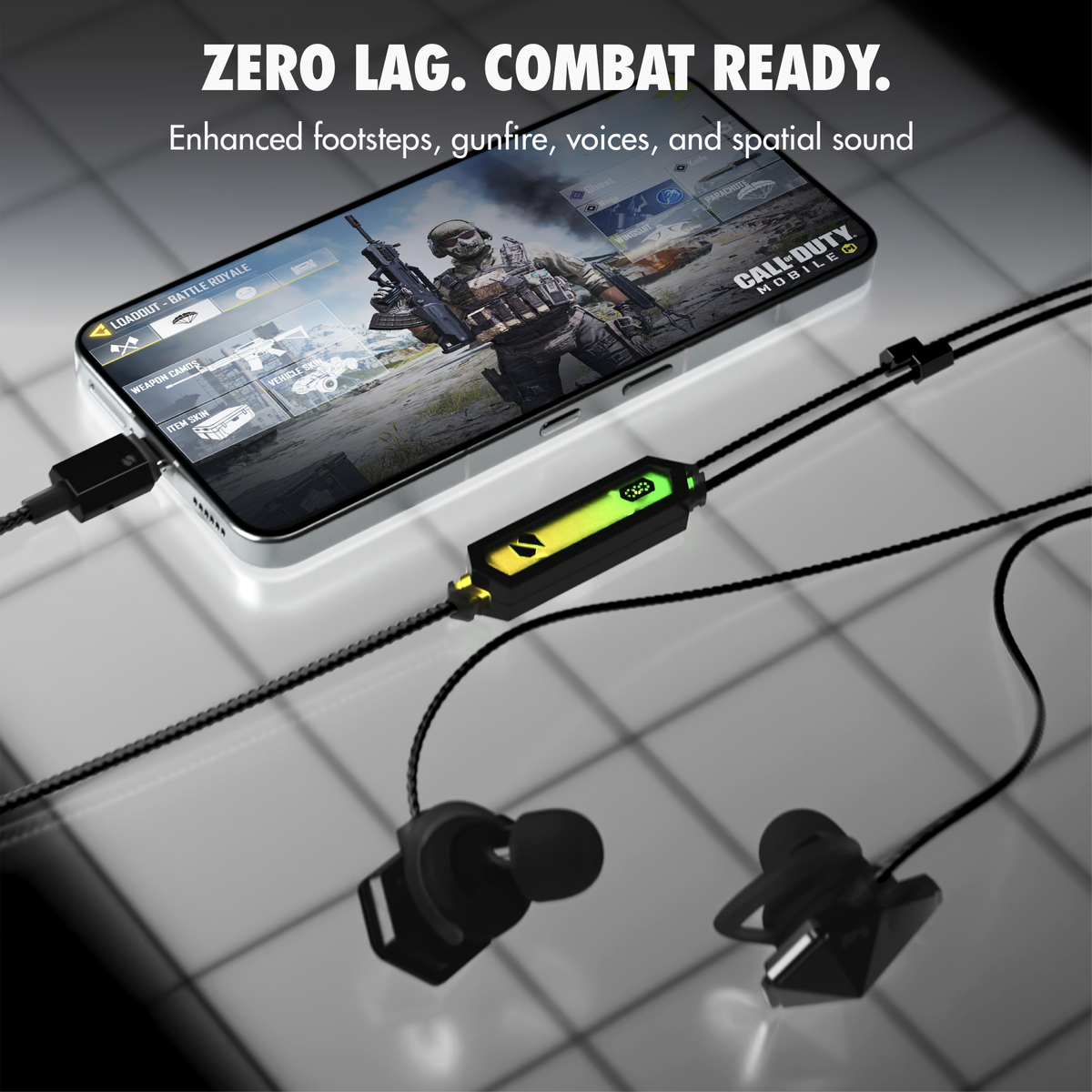
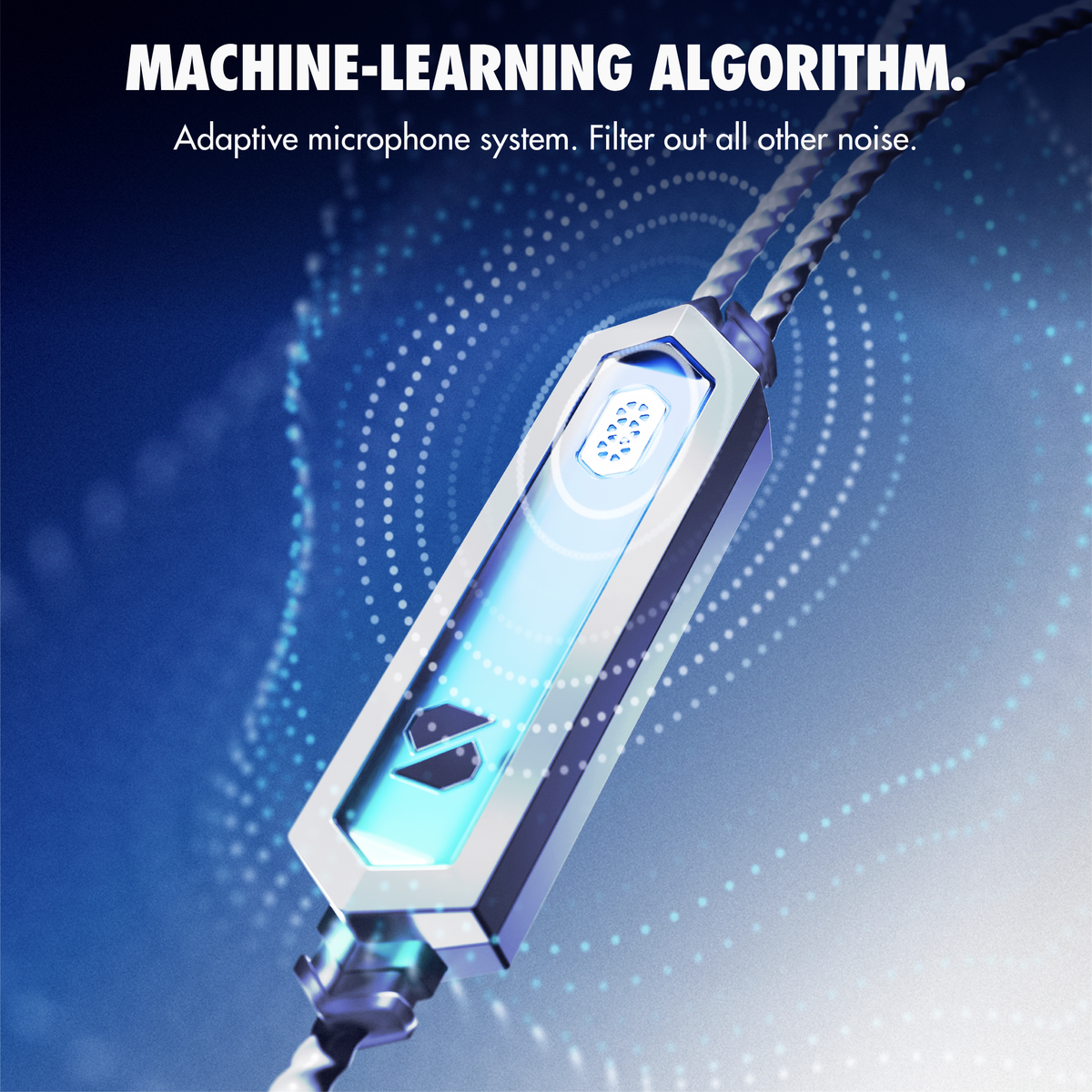
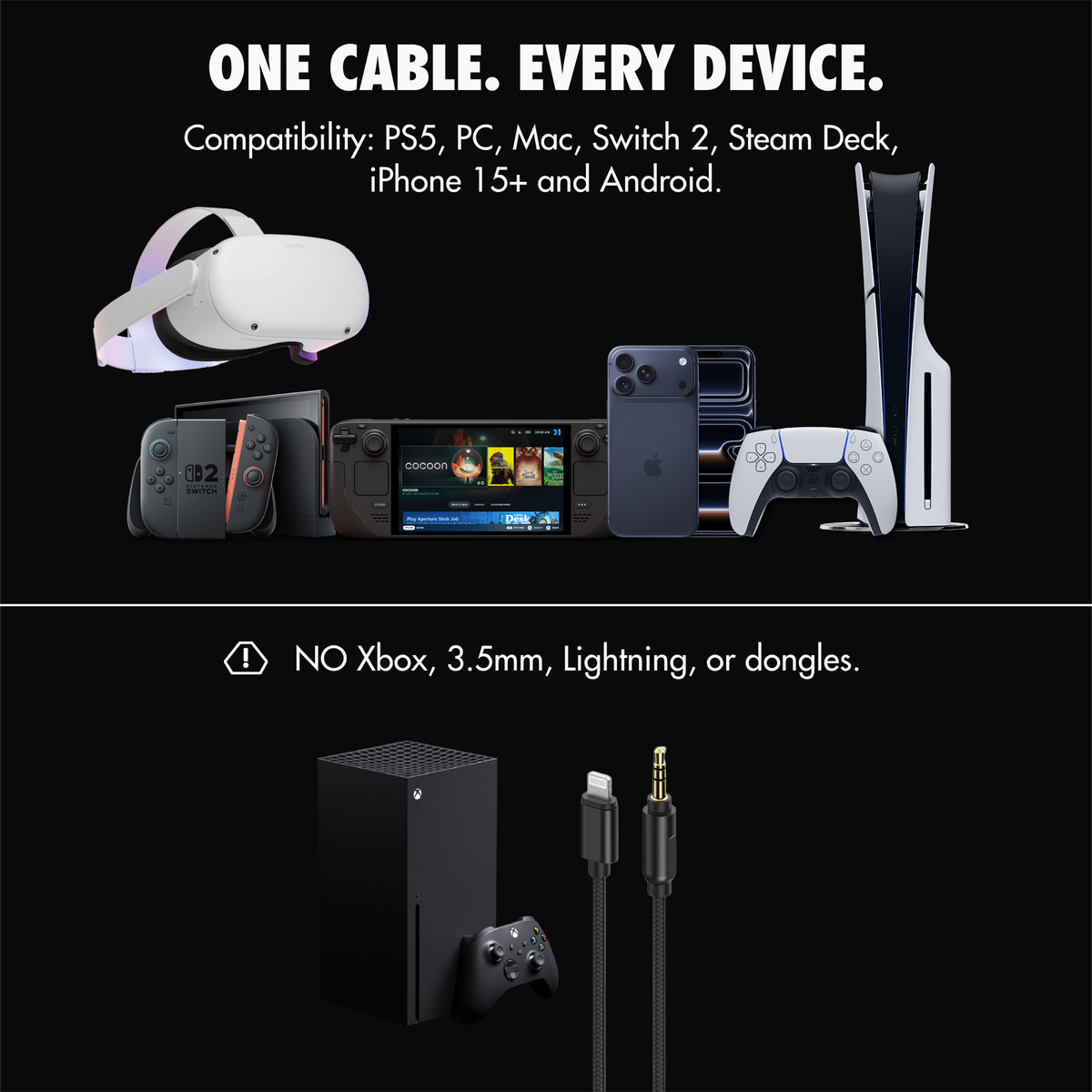
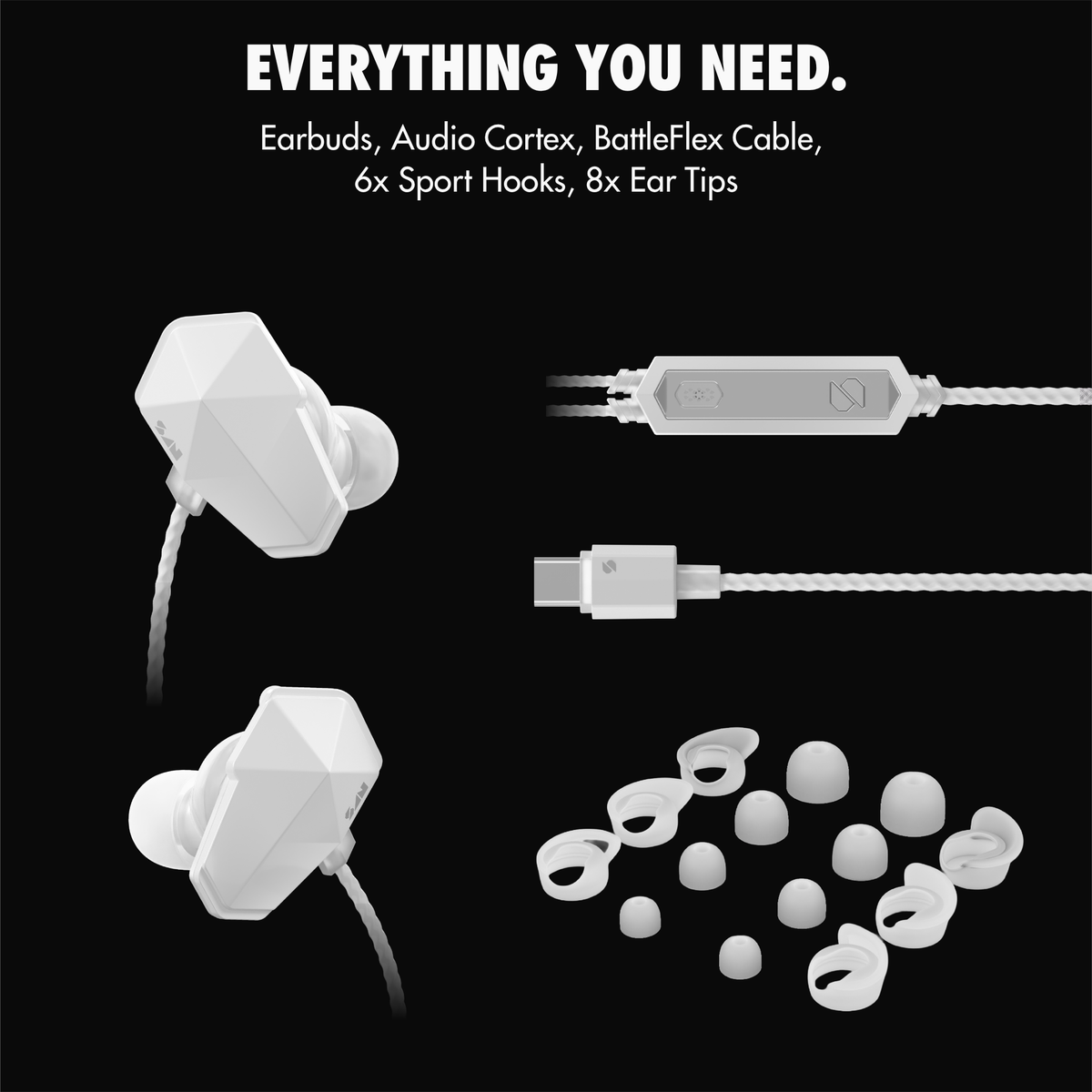
Whether through the high fidelity, ultra low-latency wireless earbuds of the SANWEAR-GT and SANWEAR-QUANTUM, or the zero-lag dependability of the SANWEAR-HARDWIRE and the Audio Cortex, our goal has remained the consistent: to preserve the quality of the sound and reproduce it as faithfully as possible, in the way that artists and developers intended you to experience them.
Mobile used to mean compromises, but soon enough it can become the universal norm.
The modern smartphone is where we watch films, play games competitively, listen to all our favorite music, join livestreams, edit content, answer emails, and connect with others daily. As our experiences continue to evolve with these things being central, audio simply can no longer be treated like an afterthought.
The screen can be your window to the world, but audio is what really lets you live it.
Learn why gamers and audiophiles are choosing SANWEAR's gaming earbuds over traditional headsets.
Experience SANWEAR | Discover Hyper Reality Audio
//END TRANSMISSION//



Partager:
Headphones: Open-Backs, And Closed