


The year was 2021. With the world largely confined indoors, public competitions moved from sold-out arenas to streaming from our very homes. Among those navigating this unique part of our recent history was Hungrybox, a.k.a. Juan Debiedma, a dominant force in Super Smash Bros. Melee; a title renowned for its extreme technical demands and frame-perfect execution.
During a routine tournament stream, someone in the chat noticed HungryBox was using a pair of Bluetooth AirPods and intervened,
“You should switch to a wired headset, Bluetooth headphones add 12 frames of audio delay”
“Oh…”, Hungrybox reacted. Immediately set aside the AirPods and went on to win the match.
 And the tournament.
In a game that runs at 60 frames per second, 12 frames is roughly 200 milliseconds (ms) or one-fifth of a second. That means there was a one-fifth of a second gap between what Hungrybox was seeing and what he was hearing. For most people, and under most circumstances that delay does not matter. However, in a game like Super Smash Bros. Melee, where split-second reactions matter the most (especially in a tournament), that's more than enough to decide everything.
So the question is simple: what is audio latency, and how much does it actually matter in gaming, and other forms of media?
What Is Audio Latency
Audio latency is the delay between an action and the result, or more specifically, the time it takes for the source signal to become sound and travel to your ears. Think of it like lightning and thunder: lightning flashes first from far away, then thunder comes rumbling down a few seconds later due to the difference between the speed of light versus the speed of sound.
In most devices, thankfully that gap is measured in milliseconds and is barely noticeable. With wired connections, that delay is next to zero. However, with wireless, especially Bluetooth headphones, it can range anywhere from 100ms to 200ms or more depending on the device.
Latency Breaks Timing
Latency isn’t just “lag”, which is what some people may confuse it as. Lag is temporary, while latency reflects a device’s own capabilities.
In Gaming
Timing is everything. You’re reacting to visual and auditory cues that flash in fractions of a second. Audio cues such as footsteps, reloads, ability sounds, and even subtle environmental sounds often give you information before anything appears on screen.
Add 100–200 milliseconds of delay, and you're reacting to outdated info. Whatever advantage you could have had disappears, especially when the other side can have it and you don't.
In Movies, TV, And Music
Audio and video tracks in media are often locked in, which eliminates audio latency on the file level – at least for the end user. Music production, however, is another story. Latency is a lot more noticeable as the producer must coordinate the tracks on screen with what they’re hearing. And on the performance side, a little bit of latency can go a long way, with extreme cases causing bands to perform out of sync.

POV your 9 to 5 as a music producer. Courtesy of u/Alan_FEVM, via r/FL_Studio
When watching videos, a little latency can completely ruin the experience. Dialogue becomes disjointed and the mismatch between what’s happening on screen and what you’re hearing can make it borderline unwatchable.
The good news is that most streaming services try to compensate for latency by syncing audio and video, or rather, de-syncing it; some streaming services will actually delay the video in the hopes of compensating for the latency. While this works in theory, in reality things rarely ever turn out perfect every time.
Apps can sometimes fail to detect whether you’re using wireless headphones, latencies compensated don’t always match, and if the controls are available, manually syncing is a chore you wouldn’t want to have on a weekend night on the couch.

Latency’s Source
Every audio signal goes through a processing chain: it’s encoded, transmitted, then decoded right before you hear it. With wired connections, this happens almost instantly. However, wireless adds delays both at each new step it introduces, and how long each of those steps take.
Bluetooth, in particular, prioritizes stability and universal compatibility, which often comes at the cost of transmission speeds. The average being at about 80ms to 100ms, with some setups reaching over 150ms.
Other protocols like 2.4GHz wireless can reduce this delay significantly, however they still introduce some delay by the nature of the transmission method. While we were able to bring our latency down to 30ms for Bluetooth, and 20ms for our 2.4GHz wireless SANSYNC (both modes available in SANWEAR-GAMETYPE), the only way to truly eliminate latency is to remove that gap between source and sound entirely.
 Rewiring Latency
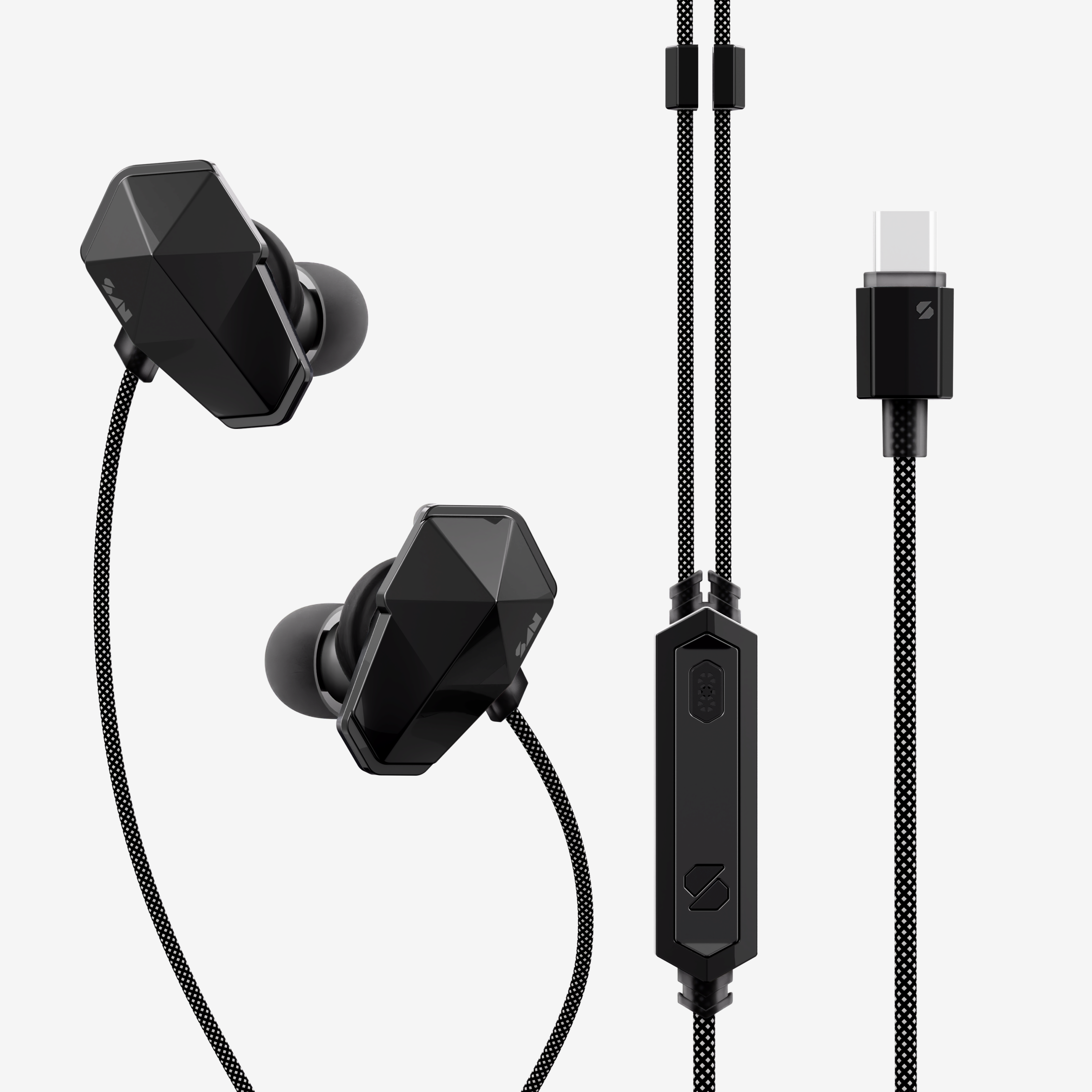
If timing differences truly matter the most, whether you’re gaming or enjoying media, we believe the simplest solution to still be the most reliable one: eliminate it and go wired.
Why go through encoding delays or transmission lags if you can go wired? This idea was the genesis that led us to the creation of HARDWIRE, except improved upon through modern advancements.
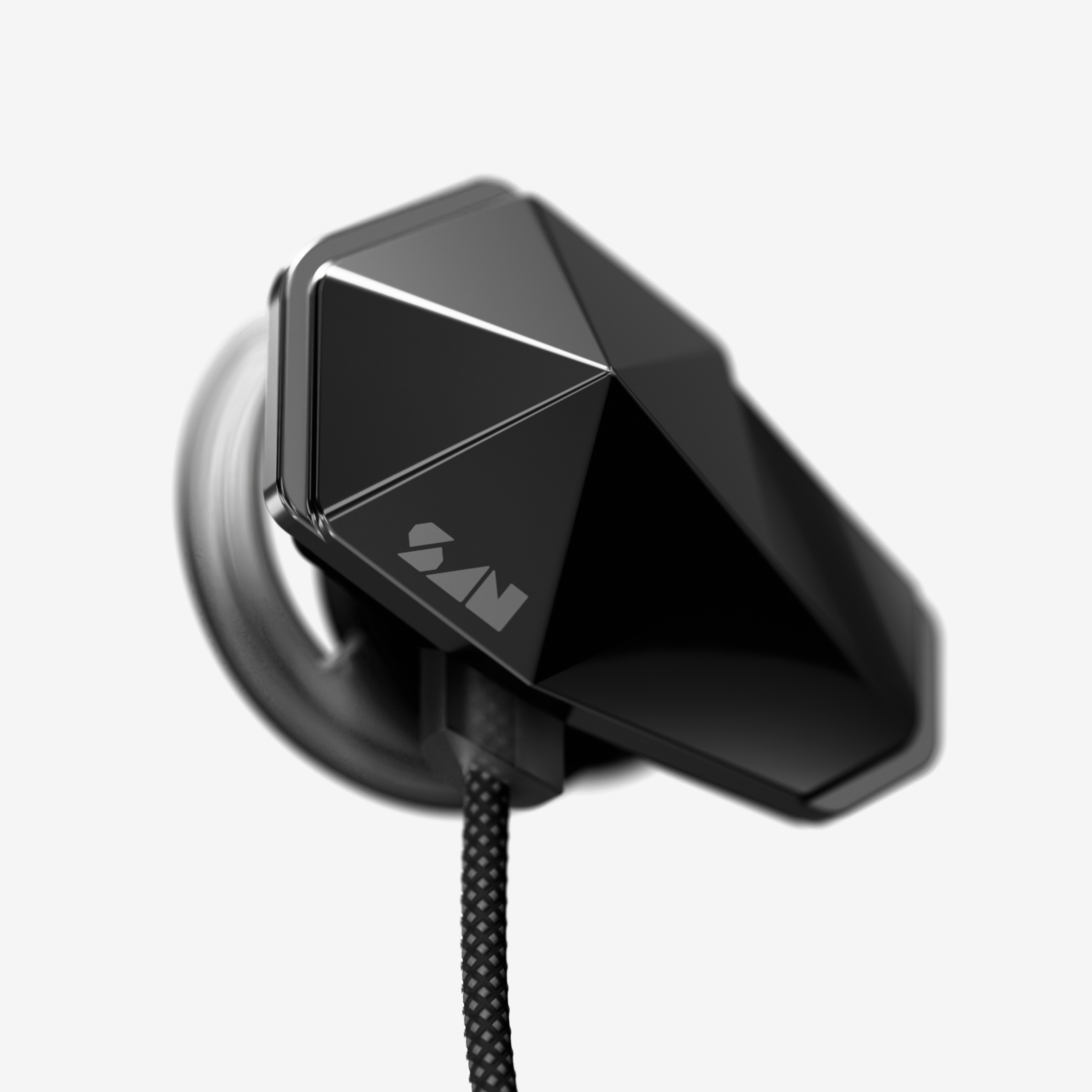
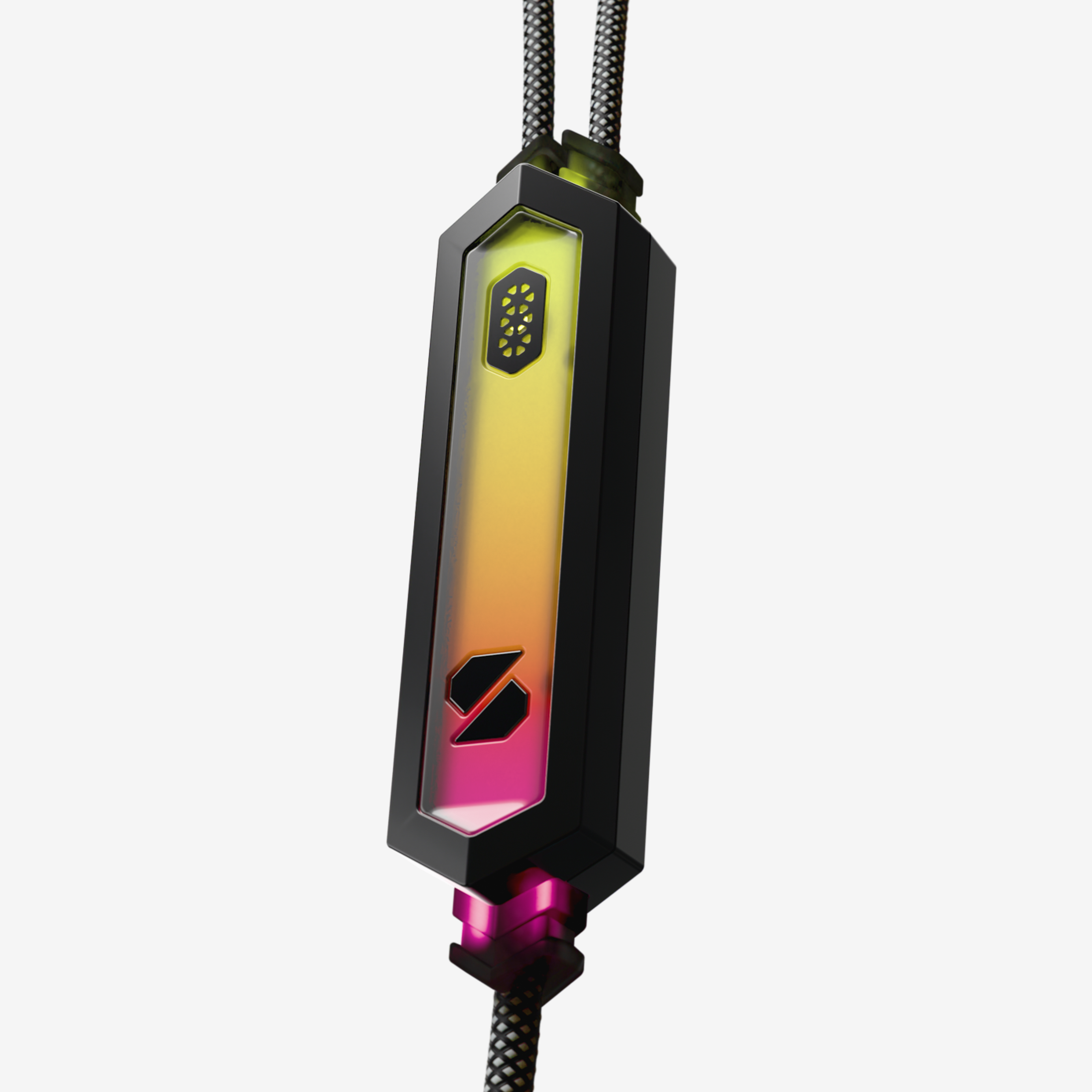
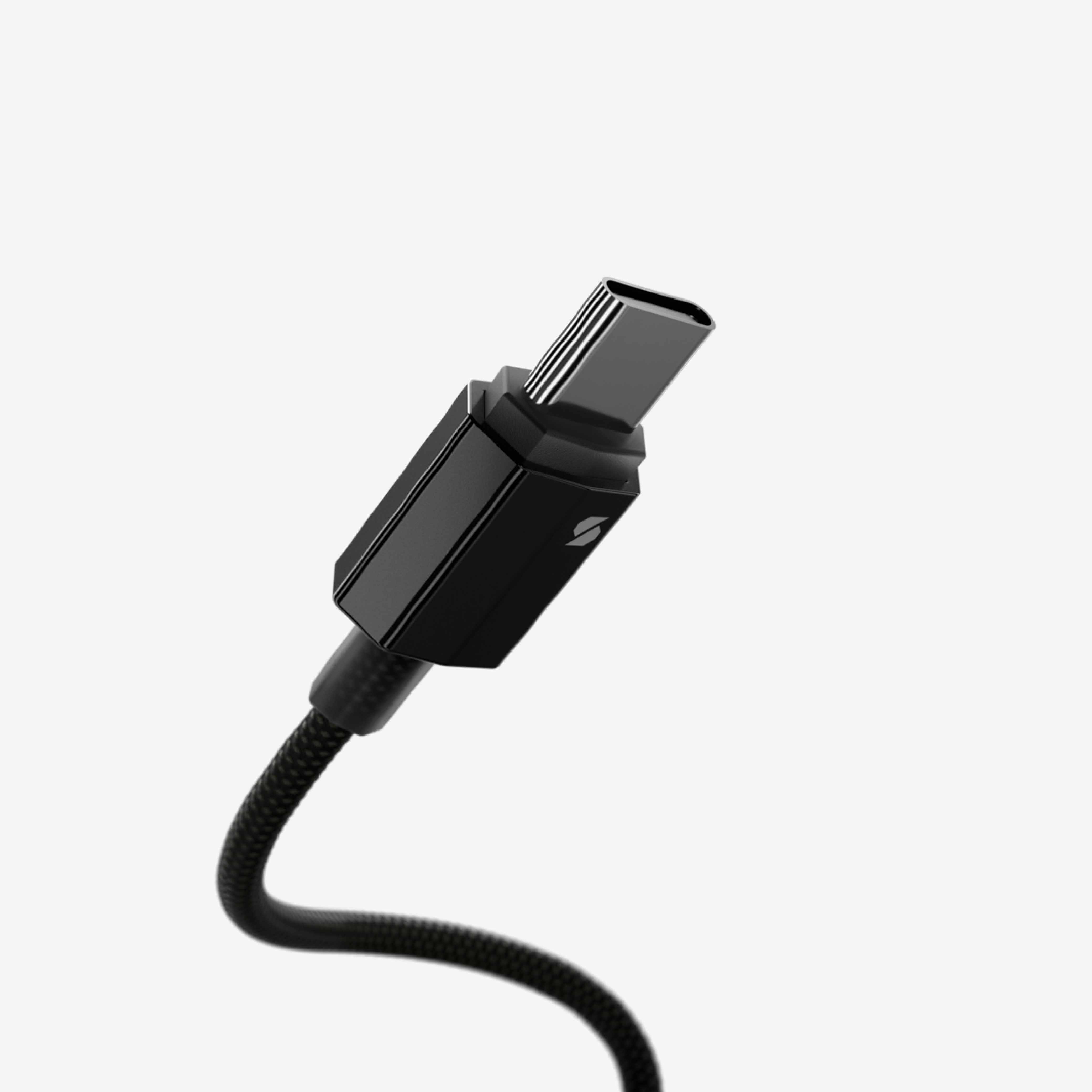
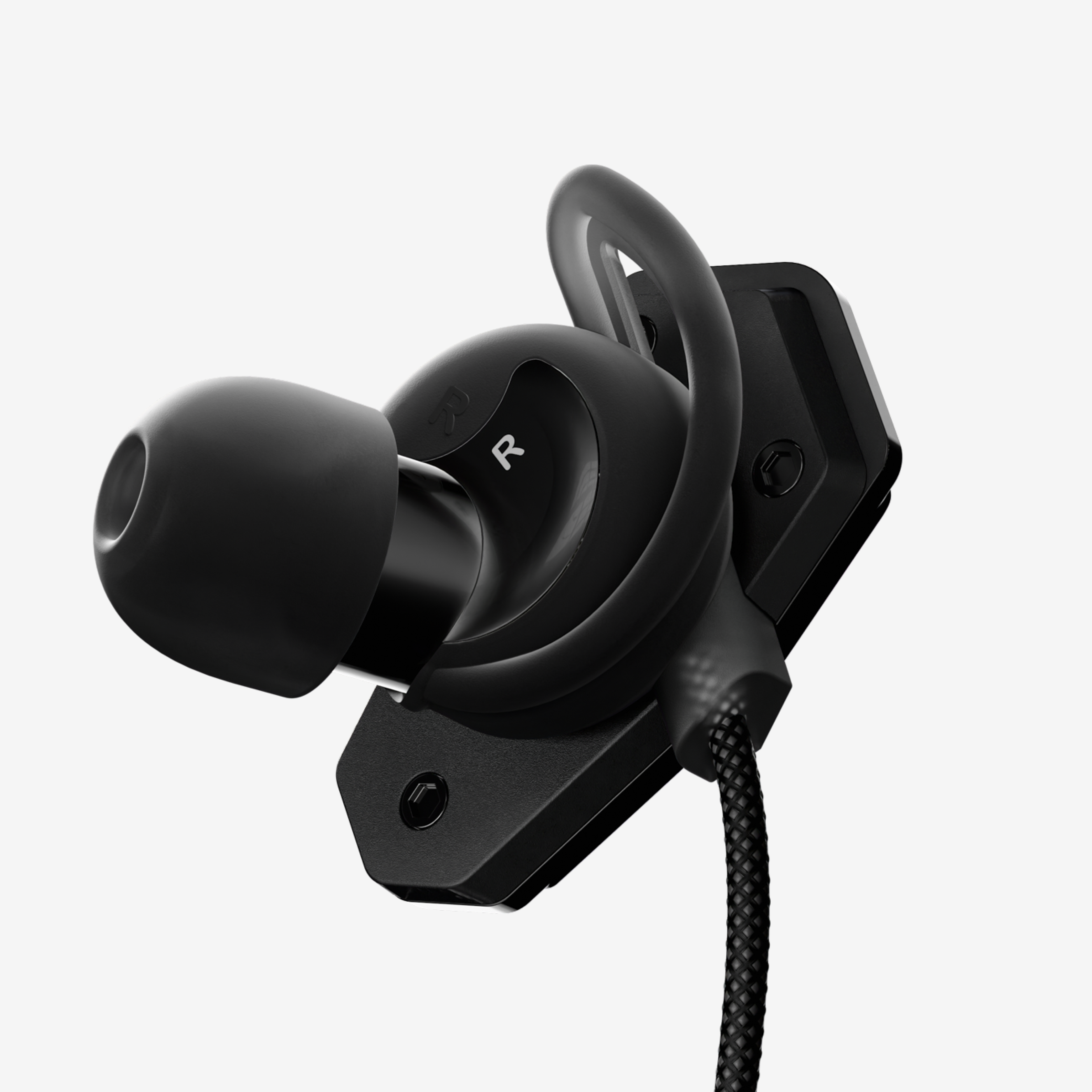
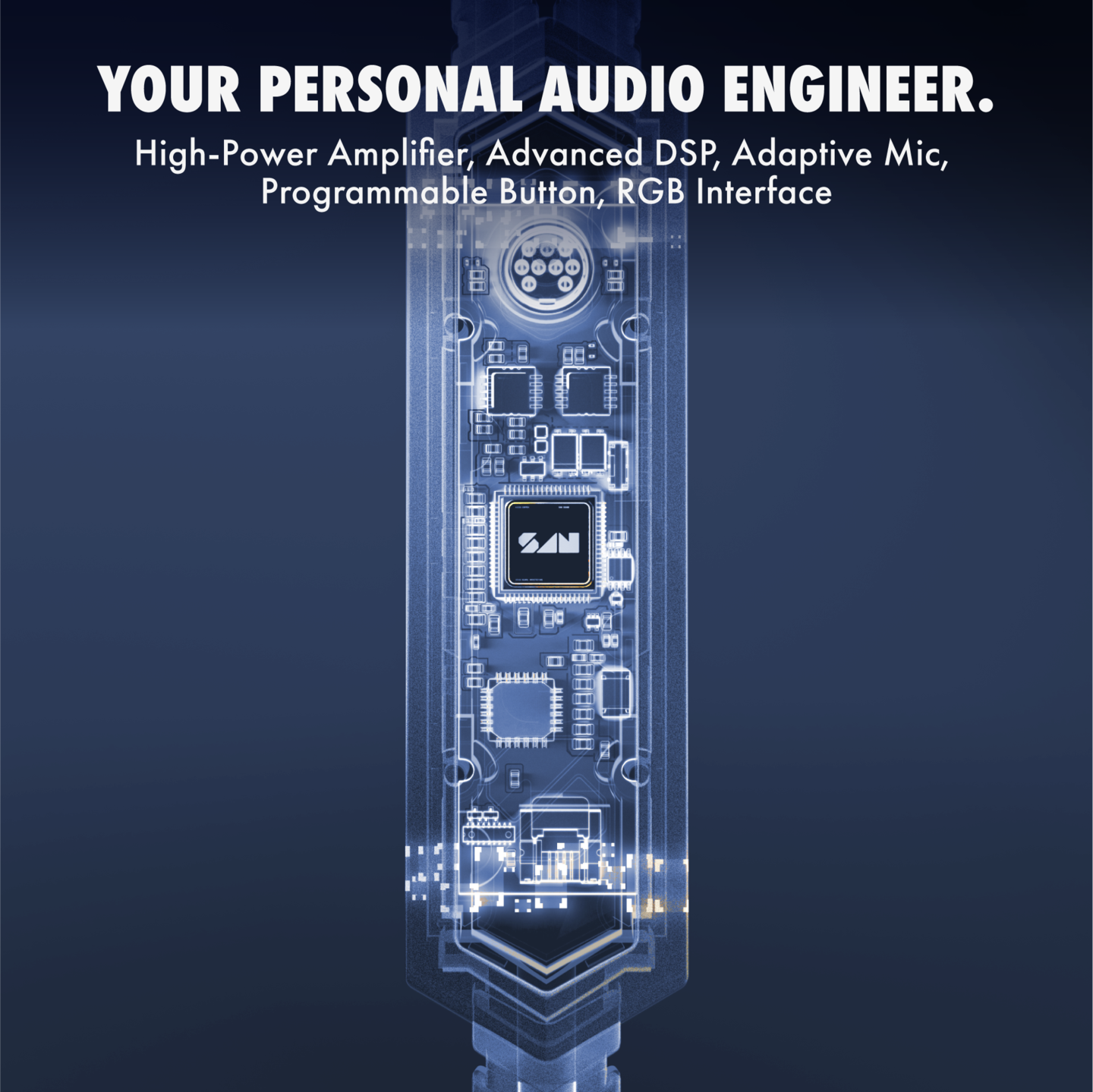
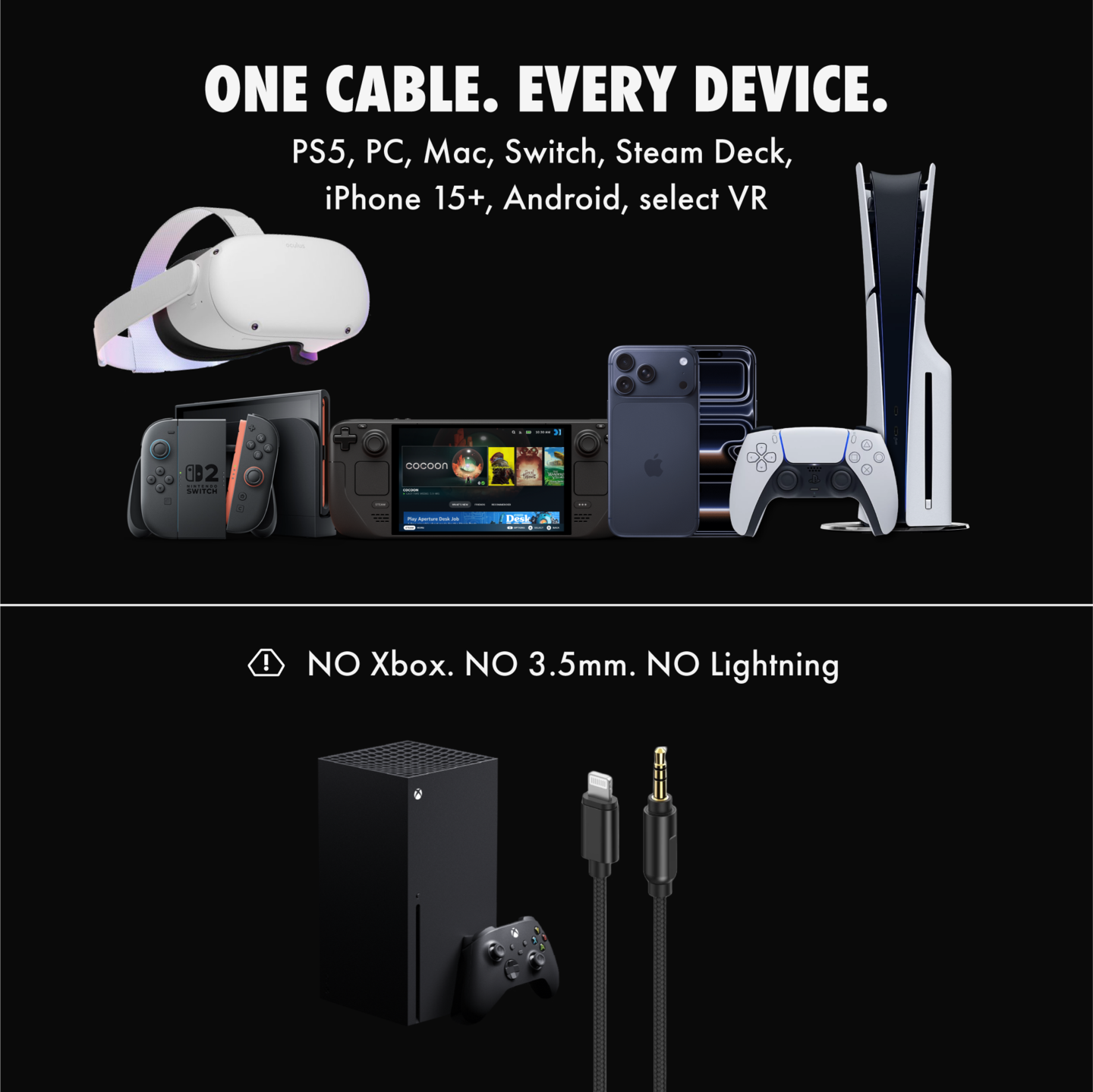
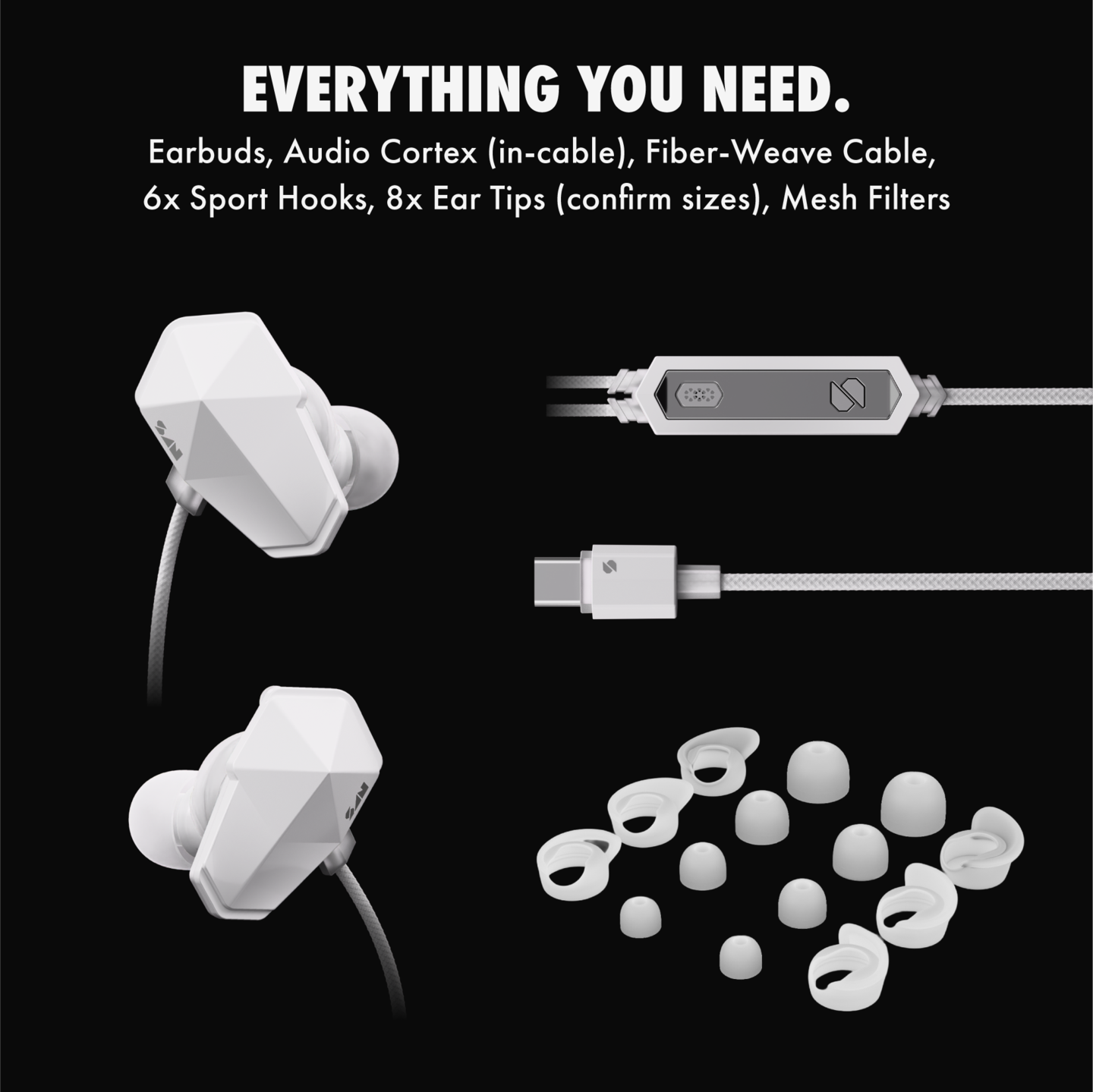
 By combining a direct wired connection with an independent and fully-integrated onboard processing system in the Audio Cortex, HARDWIRE delivers a fully optimized sound system that eliminates latency and takes over the entire sound processing chain, resulting in clear, interference-free absolute zero latency audio.
Latency is measured in milliseconds, but its impact can become much larger than that. From winning and losing matches, to movie nights ruined because the audio won’t deliver. When there’s no latency to deal with, there’s nothing left to compensate for; and nothing else to hold you back from experiencing the extraordinary.

Learn how over two decades of audio engineering laid the foundation of The New Baseline in sound.
SANWEAR-HARDWIRE is AVAILABLE NOW for $99
Experience Hardwire | Discover Hyper Reality Audio
//END TRANSMISSION//



Share:
HARDWIRE IS BACK
Infinix | SAN Sound | IMCMPLX: The Endgame Mobile Gaming System