


For years, the assumption was simple: great sound required size.
Large drivers, over-ear cups, and purpose-built gaming headsets were seen as the only path to audio that can move your soul. Earbuds, in contrast, were treated as a compromise. Convenient, perhaps, but fundamentally limited.
Earbuds used to struggle with bass, imaging, and had distortion issues. If you wanted accurate spatial audio especially for competitive gaming, headsets were the clear, if not the only, choice. That era passed once Hi-Fi in-ear monitors (previously only used by professional musicians for live events) found its way into the mainstream around the mid to late 2010s.

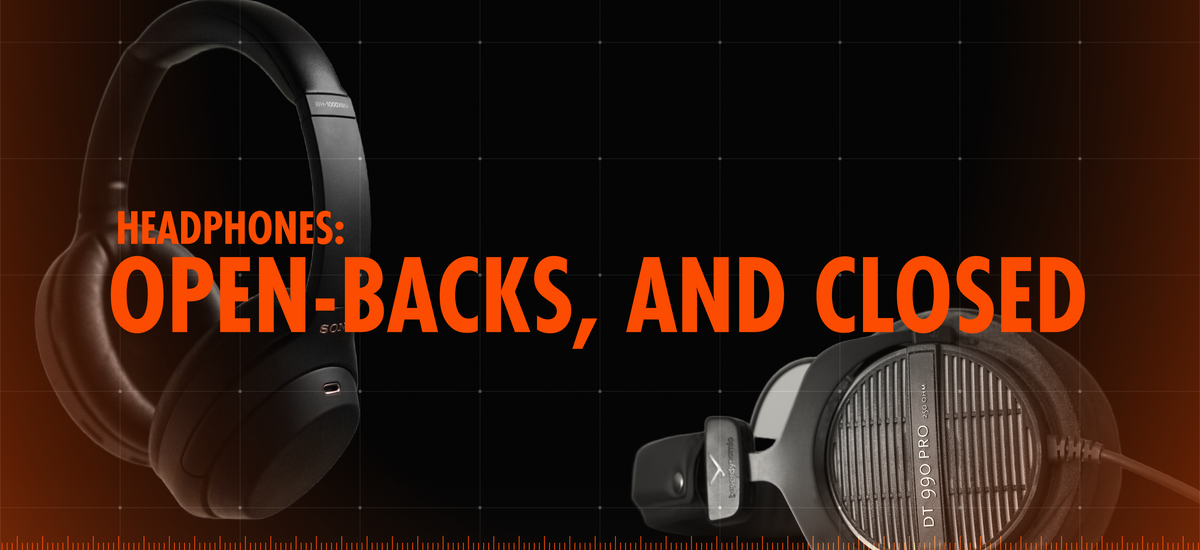
As a result, these days the performance gap between headsets and high-end gaming earbuds has narrowed dramatically. In several areas such as spatial awareness precision and sound isolation, earbuds may now hold a considerable advantage.
The Driver Size Myth
The most common argument against earbuds sounds logical on the surface: a 50mm headset driver should outperform an 8mm earbud driver simply because it is larger. More size means more air movement, deeper bass, and a fuller sound.
In reality, driver size is only one variable. And oftentimes, not the most important one.
Sound is shaped by material composition, manufacturing tolerances, magnetic strength, acoustic chamber design, final tuning, and all other factors that affect how sound reaches the eardrum.
A poorly engineered large driver will underperform a smaller driver built with precision and better materials. Size can create the potential but engineering determines the outcome.
This is where earbuds gain their first advantage.
Achieving More With Less
Large drivers require exponentially more material than small ones and as the materials get more advanced (i.e., rare-earth magnets, exotic composites, ultra-rigid diaphragms) the cost starts changing drastically.
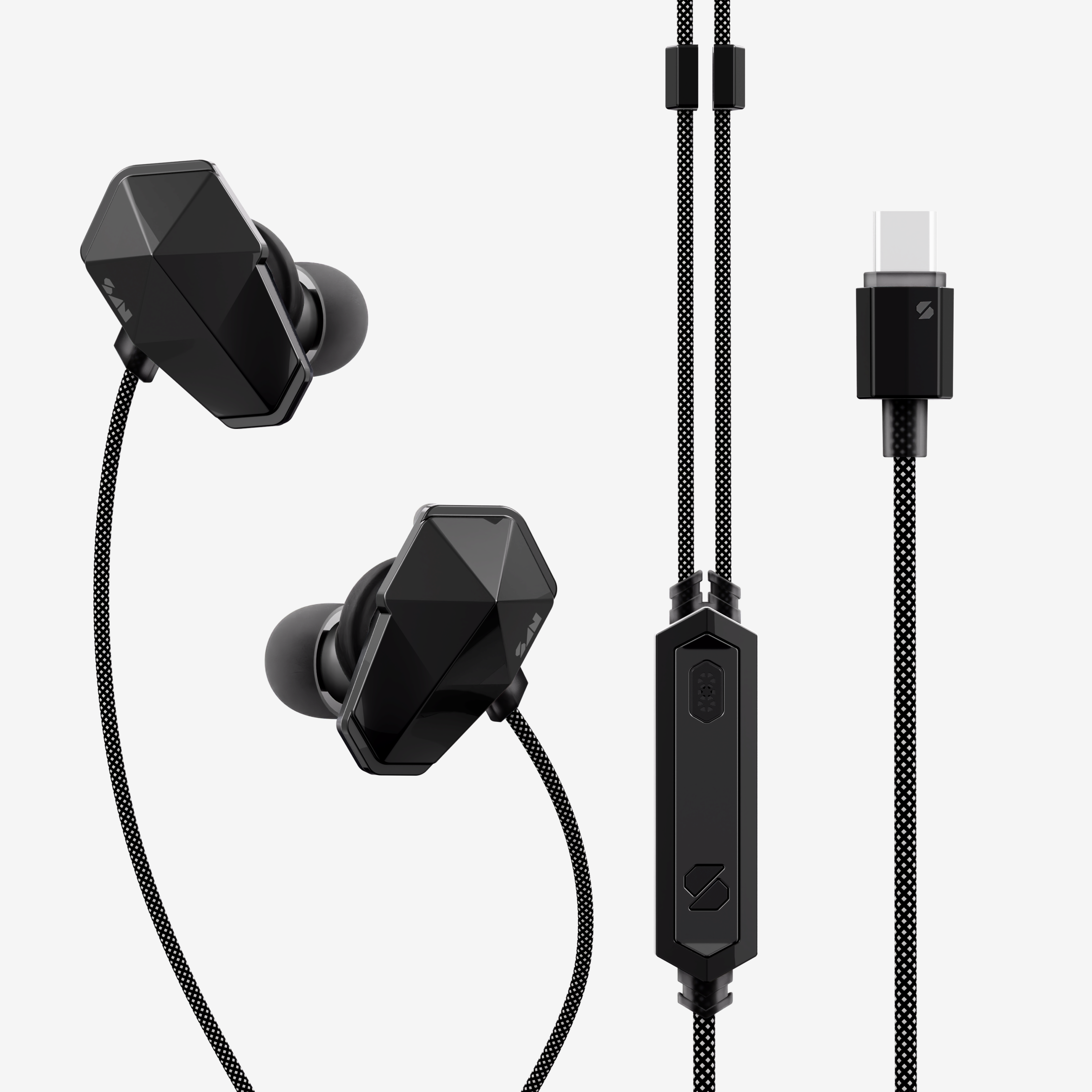
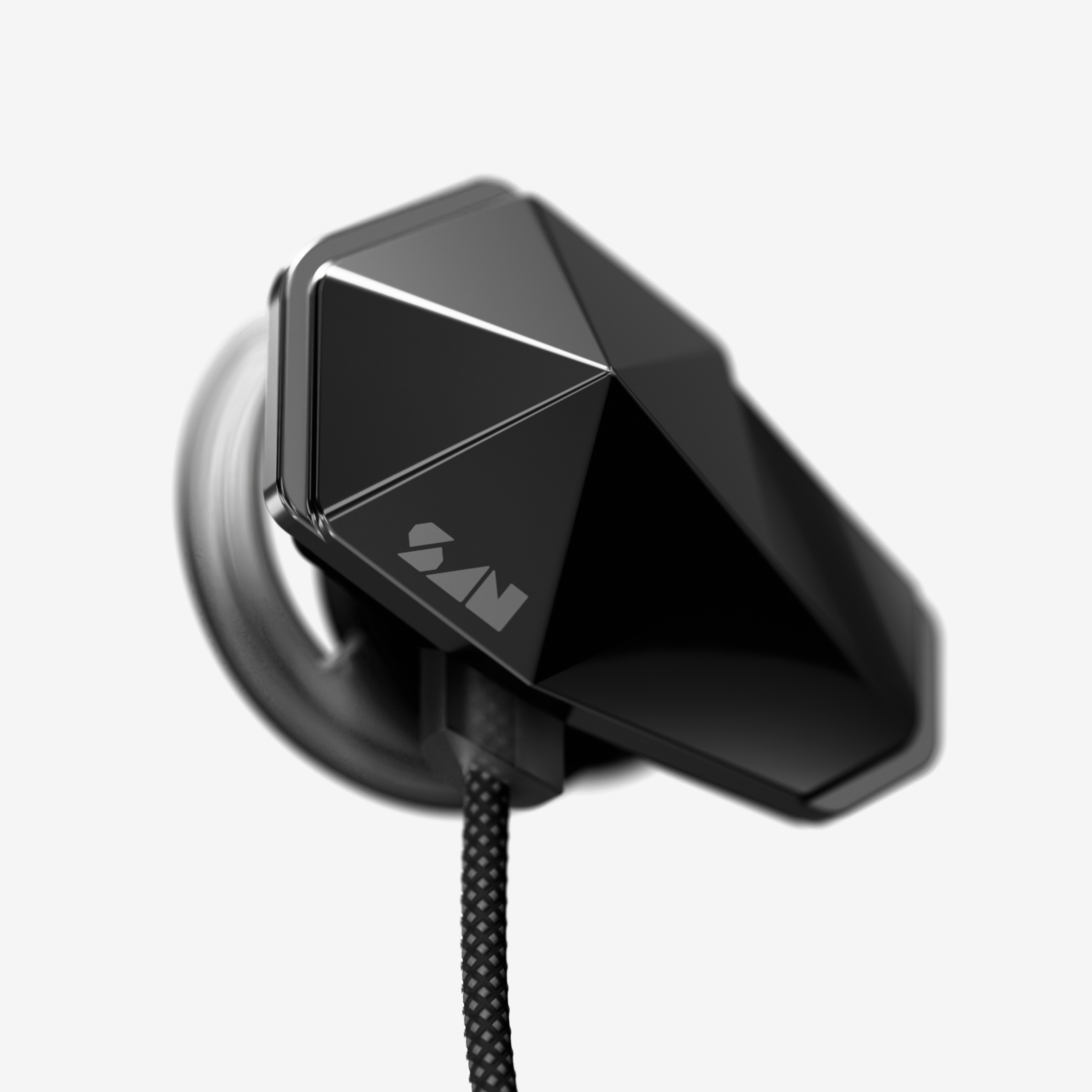
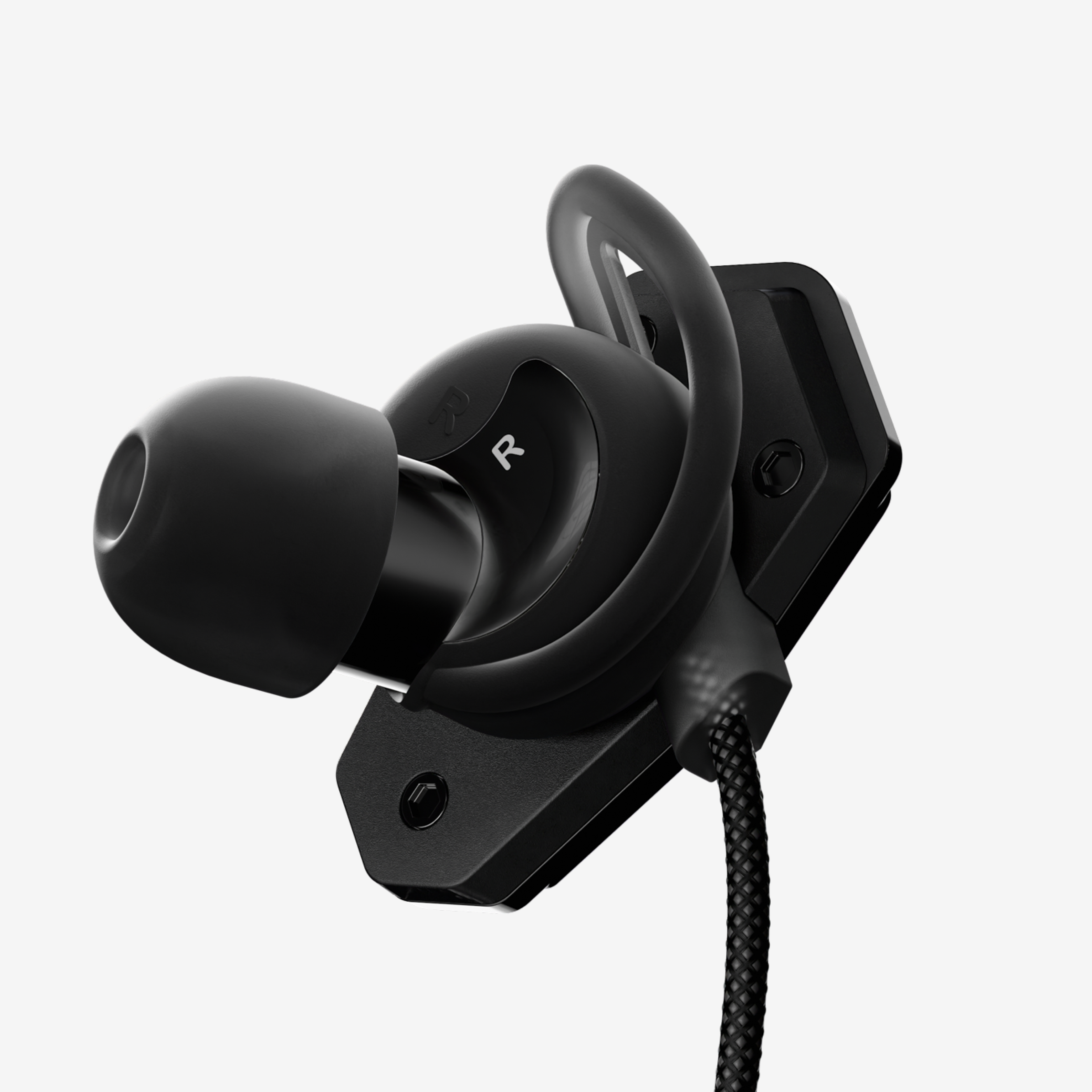
SANWEAR’s Hyper-Dynamic Drivers, for example, are built around this principle. A beryllium-graphene composite diaphragm combines low mass with exceptional rigidity, enabling fast transient response and controlled low-frequency extension. N52 neodymium magnets deliver high magnetic flux for accurate driver control. The result is extended bass, low distortion, and consistent performance across the full audible spectrum.
Earbuds allow engineers to use materials that would be financially or physically impractical at headphone scale. Less surface area means greater feasibility for precision manufacturing and tighter control. In our case, beryllium, which costs more than gold to process, becomes accessible for us to use, and our drivers to take full advantage of its capabilities.
These materials are not theoretical upgrades. They are audible ones. And they are viable precisely because the driver is smaller.
Spatial Audio Demands Precision, Not Size
In competitive gaming, spatial accuracy matters more than pure output. Human hearing locates sound based on subtle differences in timing and frequency as sound reaches each ear. Any distortion or delays caused by excessive bass or volume blurs that information. For spatial audio to remain perceptible and actionable sound must be delivered cleanly and coherently; not loudly.
High-quality earbuds sit directly outside the ear canal, creating a controlled acoustic environment with minimal diffusion, or sound bleeding. There is no substantial air gap, no reflective earcup, and fewer variables that stand in the way between the driver and your eardrums. The result is sharper positional information and more reliable directional cues one can rely on.

Zero Compromise Sound Isolation
Spatial audio only works if external noise is controlled. Headsets rely on earcup padding to form a seal; however, that seal degrades over time as materials compress and wear. So, many end up using active noise cancellation (ANC) to block external noise.
The problem with ANC, however, is it drains your battery, multitasks the drivers, and pollutes the sound quality through destructive interference.
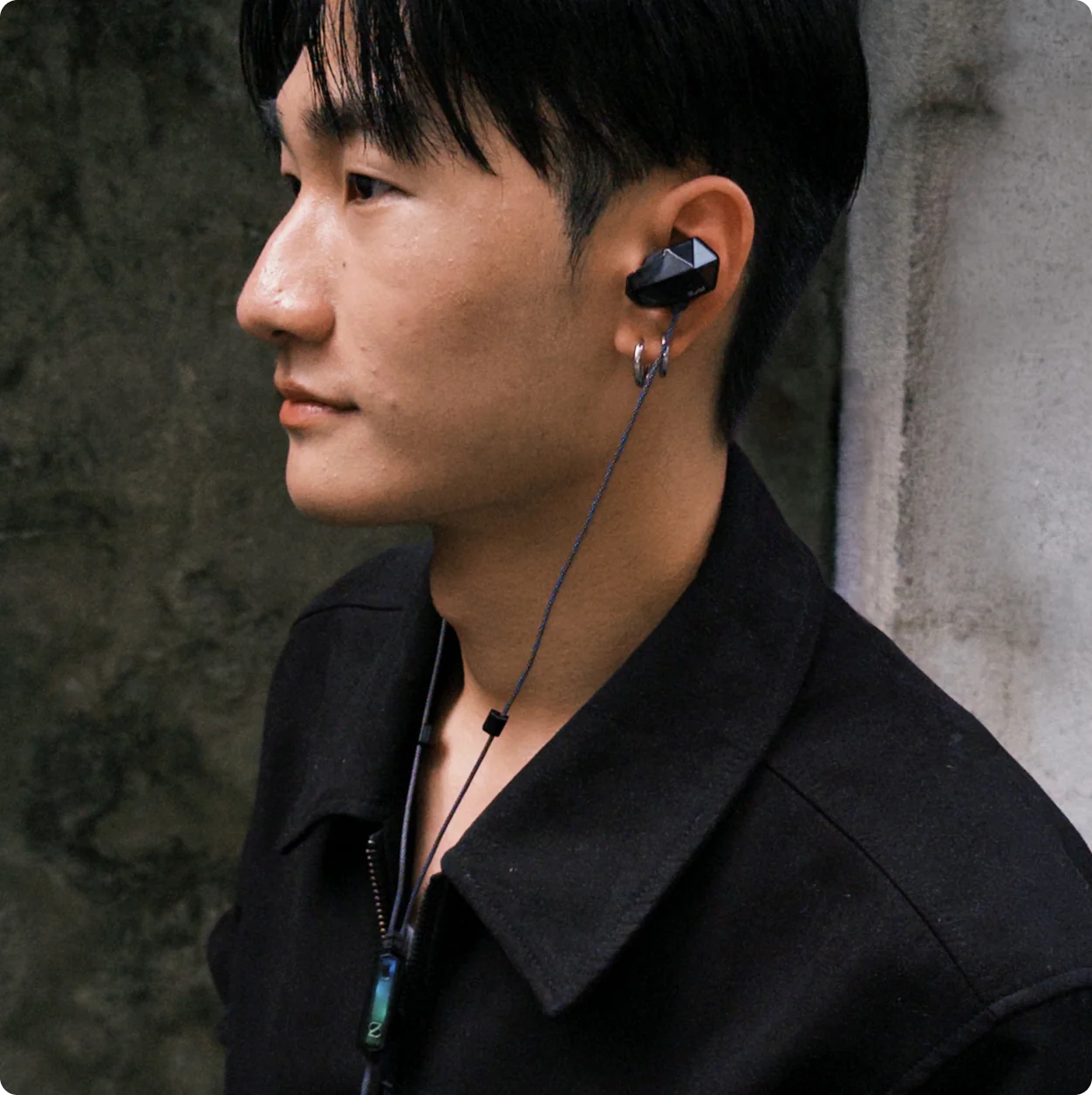
On the other hand, well-fitted earbuds block outside noise through a physical seal in the ear canal. This mechanical barrier does not require additional processing, preserving audio purity and battery life. With proper ergonomics, passive isolation outperforms both headset padding and ANC protocols at broad-spectrum noise cancellation.
This is why SANWEAR doesn’t use ANC: It’s an unnecessary compromise.
A New Baseline for Gaming Audio

Gaming headsets earned their reputation when earbuds could not compete. However, that reality no longer exists.
Technology and materials have advanced and manufacturing precision has improved at least tenfold since then. SANWEAR represents this shift, and the next phase, of where gaming audio should strive towards.
Your pursuit of superior audio deserves an uncompromising, extraordinary solution. SANWEAR is Audio Endgame.
SANWEAR-HARDWIRE is AVAILABLE NOW for $99
Experience why gamers and music enthusiasts are making the switch from headphones to earbuds.
Explore SANWEAR | Discover Hyper Reality Audio
//END TRANSMISSION//




Share:
Beyond Convenience: How Earbuds Won on Comfort
Redefining SAN's Sound