

 As anyone who cares about audio would tell you, a good headphone needs a clean signal and power. That’s where DAC/AMPs come in. But as powerful as some DAC/AMPs are, they are only as good as the headphones they’re powering.
There are good reasons to get a DAC/AMP, as well as bad ones. A DAC/AMP will not upgrade your drivers, change your tuning, or improve the build quality with magic. What it can do is make sure your headphones are powered properly and are fed a clean signal.

What is a DAC/AMP (And What Does It Do)?
A DAC, or digital-to-analog converter, turns digital audio data into an analog signal your headphones can play. Every device with a headphone output already has one. The difference is how clean and accurate that conversion is.
An AMP, or amplifier, takes that analog signal and increases its power so your headphones can move their drivers properly. Cheaper earbuds are built to be power-efficient and don’t require an AMP. Usually, it’s the larger and more complex driver architectures that need the extra power. If they don’t get enough power, even the best headphones can sound weak, flat, and thin or compressed.
Should You Get a DAC/AMP?
We’ve mentioned the one bad reason to get a DAC/AMP. Here are the right reasons to get one.

1. Your Headphones Are Underpowered
You bought high-impedance or low-sensitivity headphones without realizing it, and now your phone or laptop cannot power them properly. As a result, they sound weak and thin, the bass lacks body and punch, with the imaging or spatiality barely being there.
An amplifier provides the right amount of power and headroom so your headphones can perform at their intended level. To get good audio performance from these devices, external DAC/AMPs may be necessary, especially if you have power hungry headphones.
2. You Hear Hisses, Static, or Electrical Noise
Although modern components have anti-static and shielding properties, motherboards are crowded environments that include power delivery, processors, and wireless components that introduce potential interference points. If you hear hissing or humming on your analog headphone, your built-in DAC may be the issue. A dedicated DAC can take over from your device, isolating and cleaning that signal independently.
3. You Want Finer Volume Control
Built-in audio outputs often jump from too quiet to too loud, and you may prefer something in-between what your phone or laptop gives. And sometimes, you may need those one or two extra volume levels higher, or something in-between.
Some DAC/AMPs come with finer volume controls that run on top of your phone’s volume level to give you extra precision. This becomes more useful in competitive play and long listening periods where precision and comfort are everything.

DAC/AMPs & The Audio Cortex
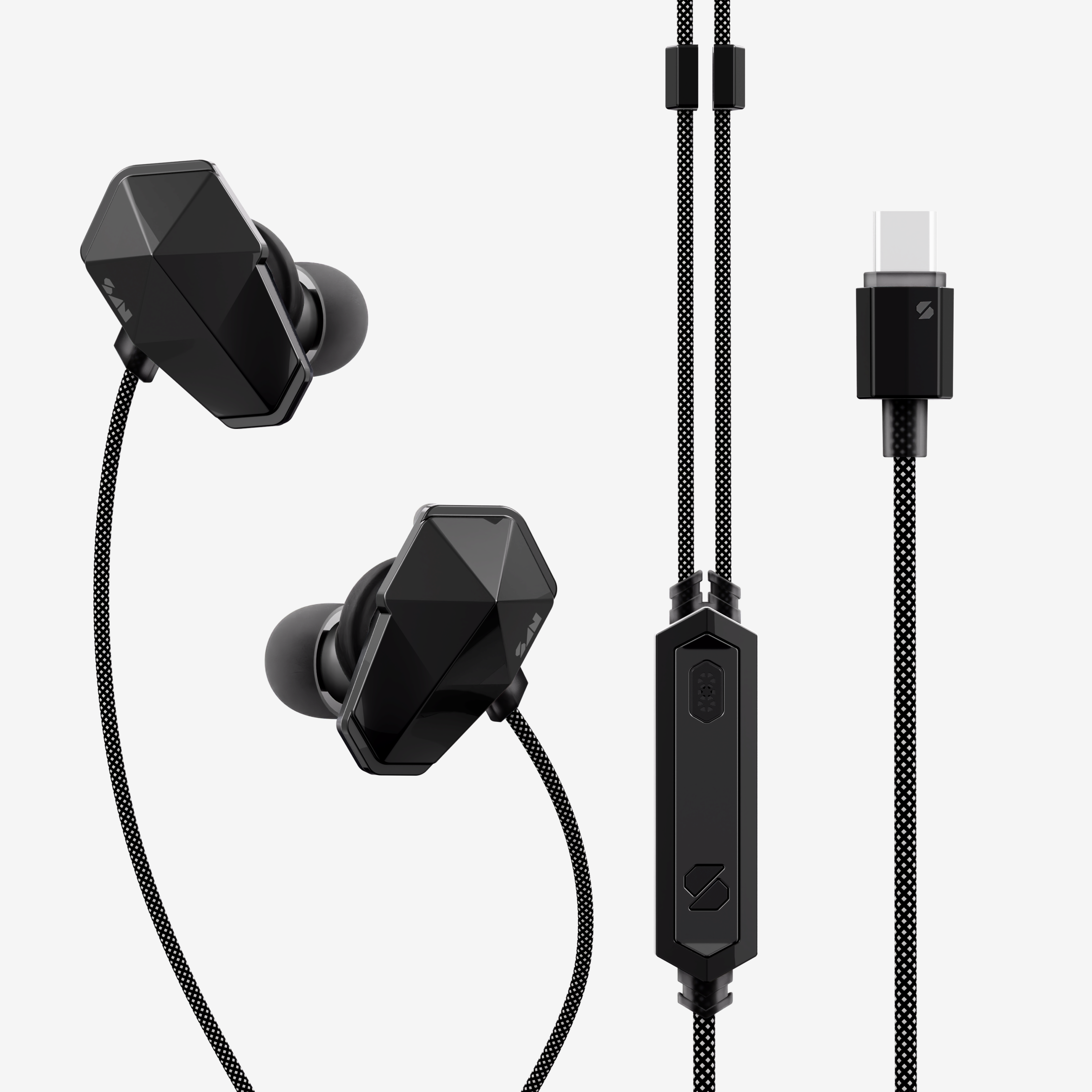
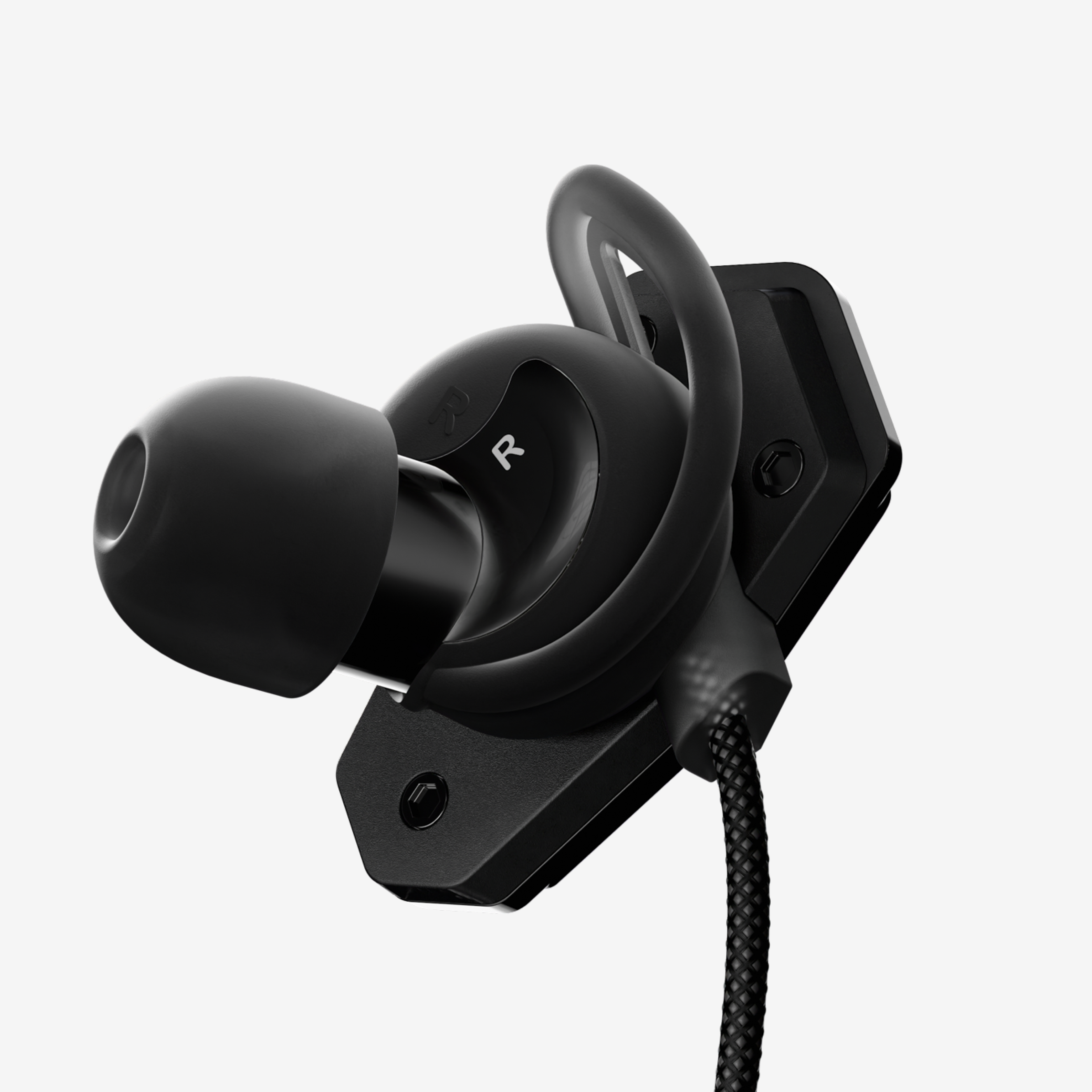
Most earbuds do not need extra amplification as their drivers are easier to power. However, HARDWIRE is different.
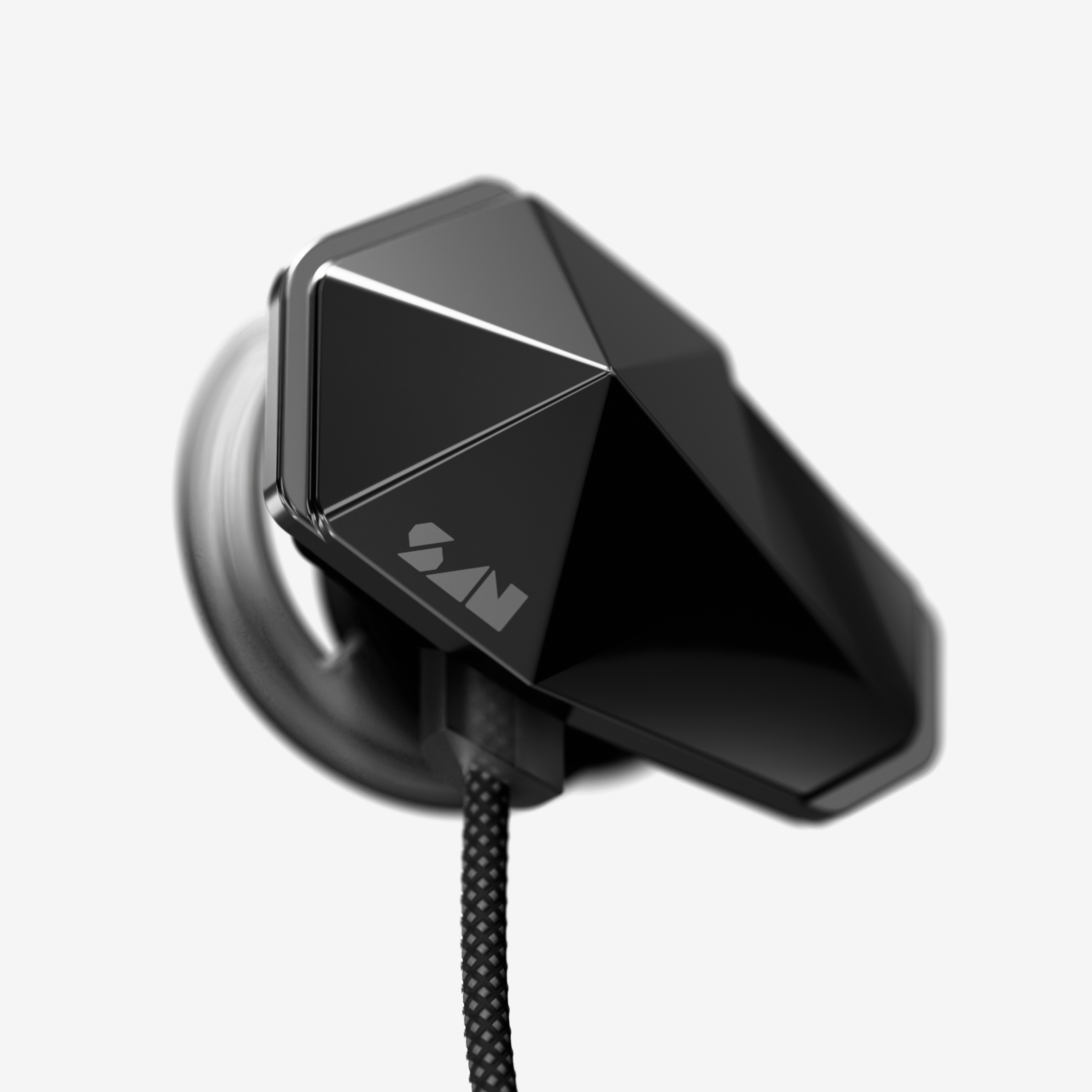
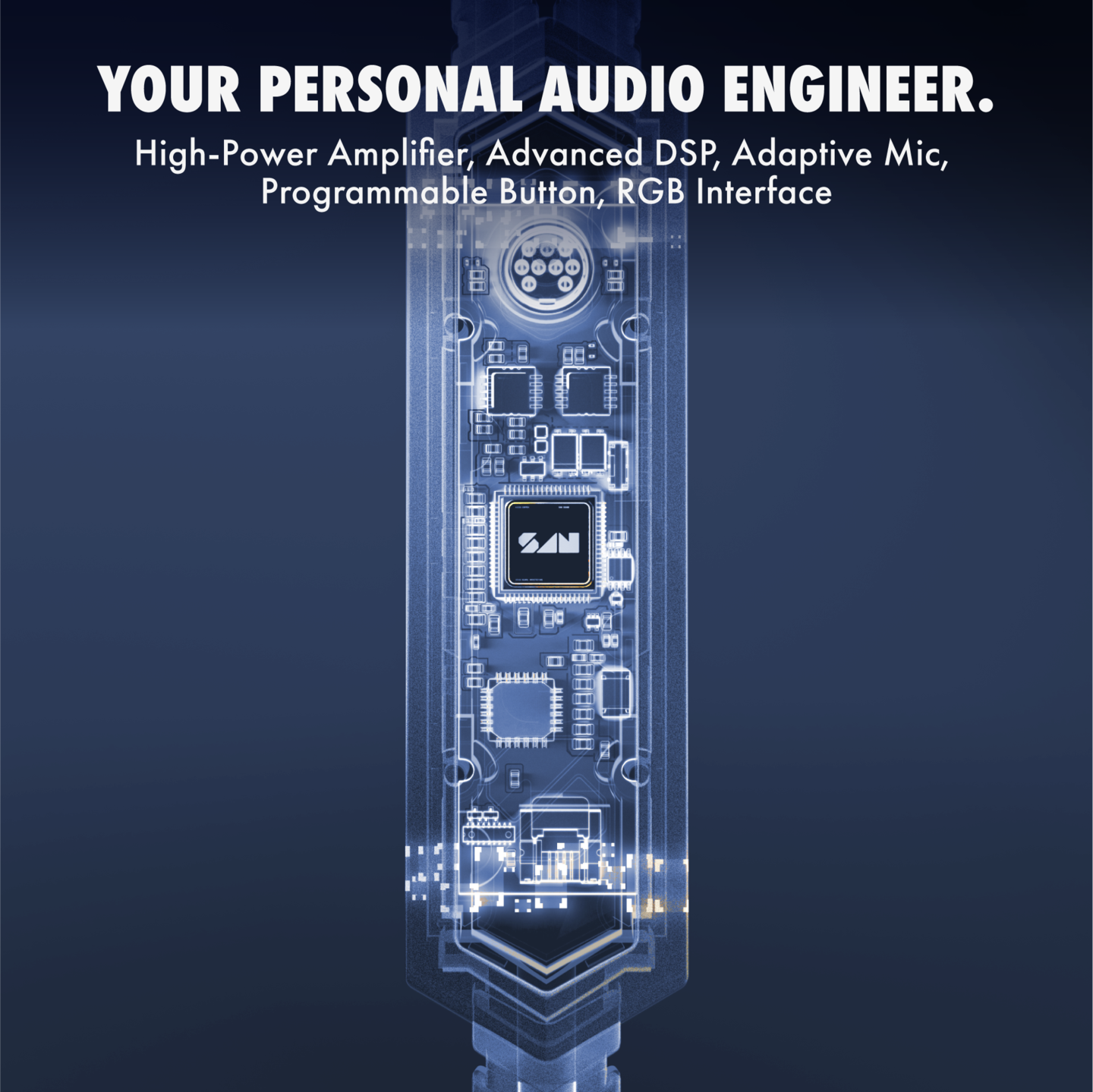
Our next gen planar-dynamic driver demands more precision and more control than a typical driver. It requires a stable and consistent power draw and a cleaner signal path. These are things that most built-in sound processing chains struggle with. This is where the Audio Cortex comes in.
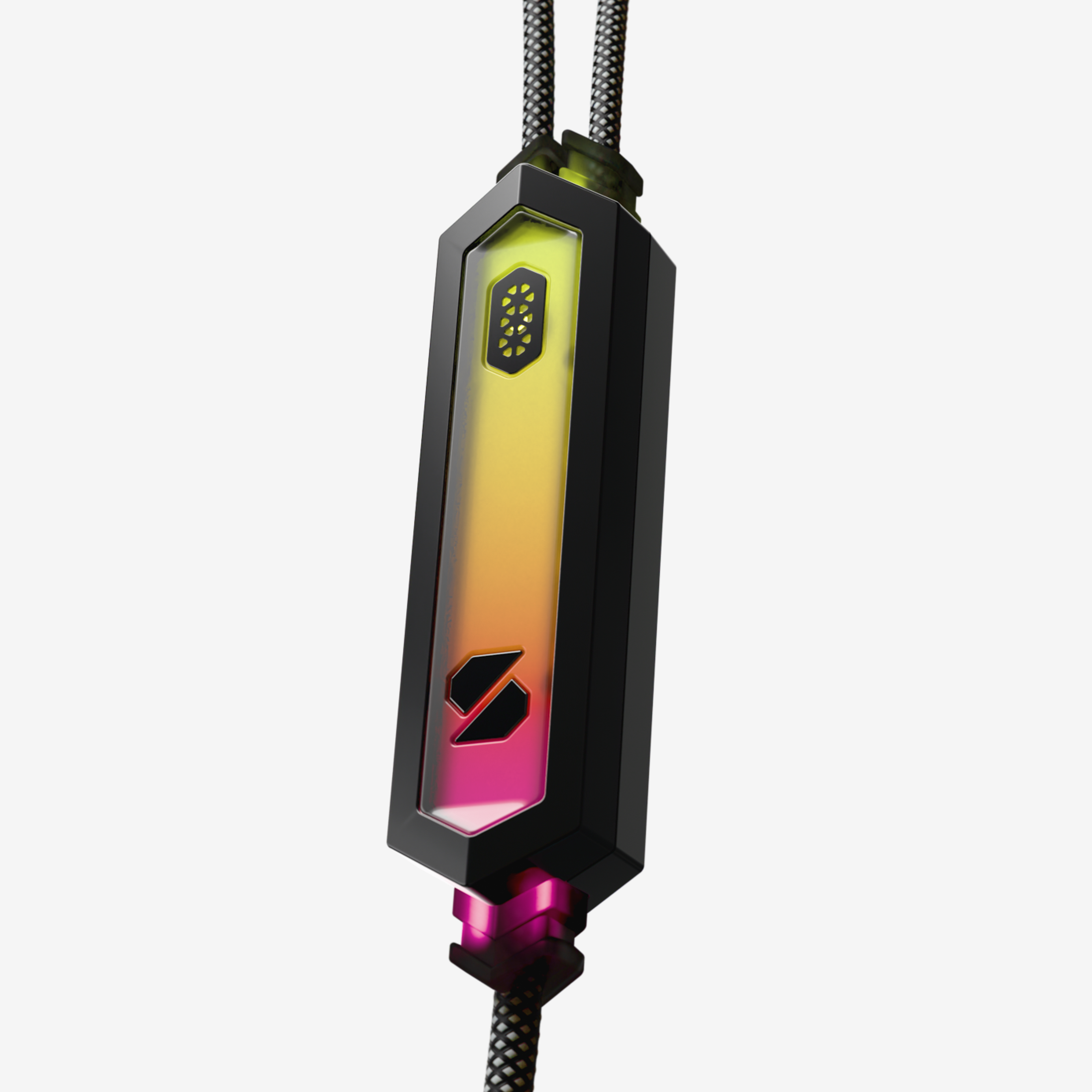
We’ve included a high-power amplifier to power the driver properly and a computational unit that includes an onboard DSP for EQ memory storage, an adaptive ENC mic processor that learns your voice and hones in on it through usage, customizable RGB lighting, and more.
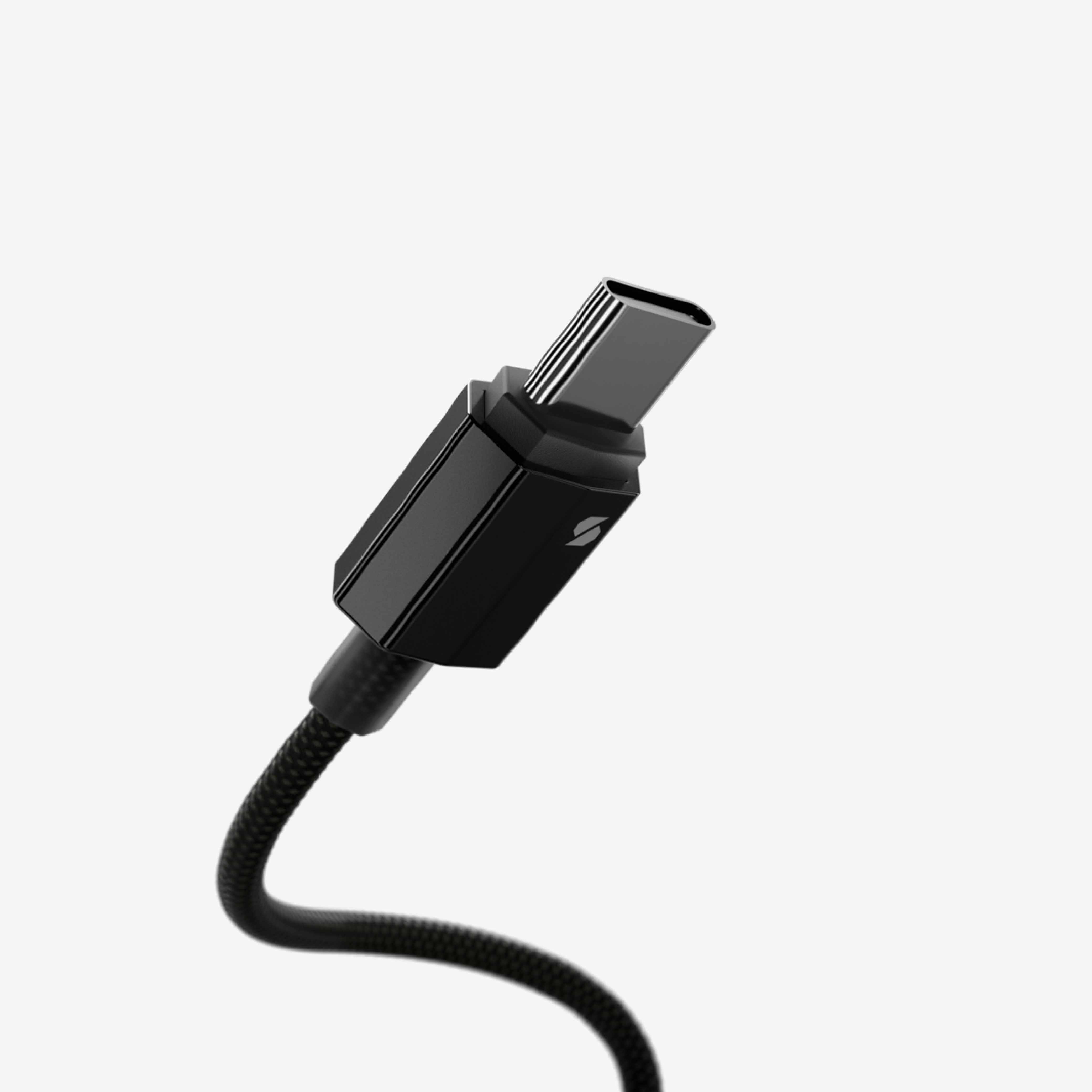
HARDWIRE also uses a USB-C plug and is fully digital. The DAC used delivers clean sound that’s unrestrained; able to go exactly where the frequencies demand it.
When you remove the bottlenecks, you remove the compromises. HARDWIRE delivers audio the way sound was meant to be experienced, straight from the mixing room into everything you play, watch, and listen to.
This is wired, rewired.
SANWEAR-HARDWIRE is AVAILABLE NOW for $99
Learn how over two decades of audio engineering laid the foundation of The New Baseline in sound.
Explore The New Baseline | Discover Hyper Reality Audio
//END TRANSMISSION//








Share:
Soundscape: Reconfigured
Why Wired?